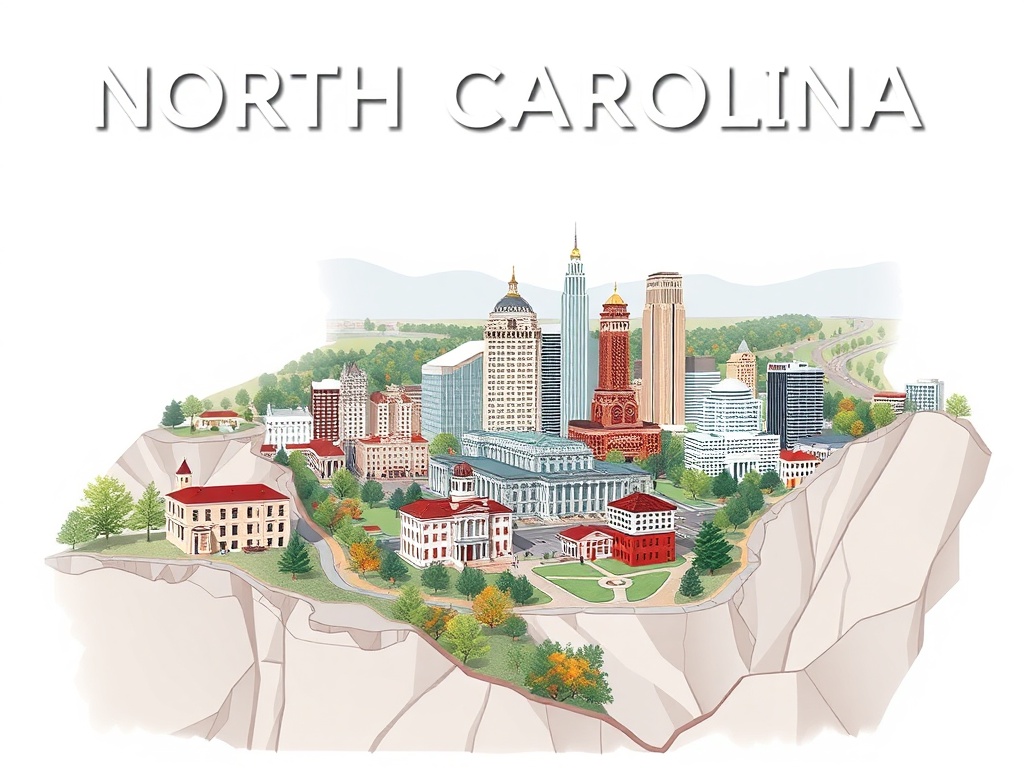
North Carolina is one of the most compelling states for remote workers and lifestyle changers seeking a balance of career opportunity, affordability, and access to nature. With diverse regions—from mountain towns to coastal communities—this state offers something for nearly every preference without sacrificing modern conveniences.
Why remote workers choose North Carolina
– Cost of living and housing: Compared to many major metropolitan areas, housing and everyday expenses tend to be more affordable, allowing remote workers to upgrade living space or save aggressively while keeping convenient access to urban amenities.
– Quality of life: Miles of hiking trails, scenic drives, beaches, and small-town culture sit within easy reach of several mid-sized cities. Four-way seasonal variety in the mountains and mild coastal climates provide outdoor options year-round.
– Talent and education: A dense concentration of research universities and colleges supports a skilled labor pool, vibrant cultural offerings, and a steady stream of professional programming, networking events, and tech meetups.

– Healthcare and services: Robust hospital systems and specialty care centers are available in multiple regions, making long-term living practical for families and retirees alike.
– Culture and food: The food scene ranges from classic Carolina barbecue to innovative farm-to-table restaurants, plus a thriving craft beer and music culture—especially in cities known for creativity and arts.
Best regional choices depending on lifestyle
– Research Triangle (Raleigh-Durham-Chapel Hill): Ideal for professionals who want strong tech and biotech job markets, plentiful coworking spaces, and easy access to research institutions and cultural venues.
– Charlotte: A major financial hub that mixes cosmopolitan amenities with neighborhoods, parks, and an expanding public transit network—good for those who need financial industry connections or prefer big-city energy.
– Asheville and the western mountains: Attractive to creatives, outdoors enthusiasts, and those seeking a slower pace without sacrificing quality dining, craft breweries, and artisanal shops.
– Wilmington and the southeastern coast: Offers beach access, a growing film and creative industry scene, and a relaxed coastal lifestyle for people who want sea breezes and waterfront living.
– Smaller towns and mountain communities: Options like Boone and other Appalachian towns deliver tight-knit communities, lower housing density, and direct access to trails and recreation.
Practical tips for moving or testing the state
– Test commute and connectivity: If remote work depends on meetings, confirm reliable broadband and cellular service in neighborhoods you’re considering. Many towns have improved broadband, but speeds and reliability vary by area.
– Try before you move: Rent short-term in different regions to learn which lifestyle fits—urban energy, mountain quiet, or coastal ease.
– Use local resources: Join coworking spaces, neighborhood groups, and professional meetups to build a network quickly.
– Consider taxes and insurance needs: Evaluate state and local tax implications, homeowners’ insurance, and flood or hurricane exposure if you plan to live near the coast.
North Carolina’s blend of natural beauty, cultural depth, and economic opportunity makes it a smart choice for remote workers who want more than just a place to log in. Whether drawn to city amenities, mountain solitude, or coastal living, the state’s variety makes it possible to design a life that fits both work and personal priorities.