Savannah ecosystems rank among the planet’s most dynamic and recognizable landscapes. Characterized by open grasslands dotted with trees, savannahs balance wet and dry seasons, supporting a remarkable diversity of plants and animals while playing a critical role in global ecology and human livelihoods.
What defines a savannah
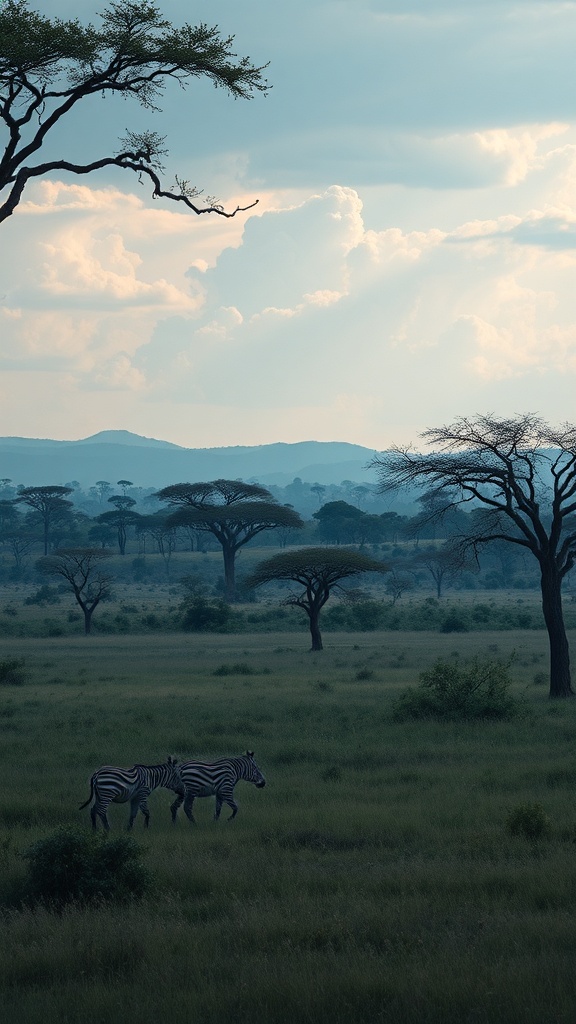
Savannahs are a transition between forests and deserts. They typically feature:
– A grassy ground layer with scattered trees and shrubs.
– Seasonal rainfall patterns that create distinct wet and dry periods.
– Soils that vary from fertile to nutrient-poor, influencing plant communities.
– Fire and grazing as key ecological forces that shape structure and species composition.
Plant life and adaptations
Grasses dominate savannahs because they tolerate drought, recover quickly after fire, and regrow after heavy grazing.
Trees are usually drought-resistant species with deep roots and fire-adapted bark. Many plants employ clever strategies—deciduous leaf drop during dry spells, water-storing tissues, or rapid seed germination when rains return—to survive the challenging seasonal rhythm.

Wildlife and food webs
Savannahs host iconic wildlife adapted to open landscapes:
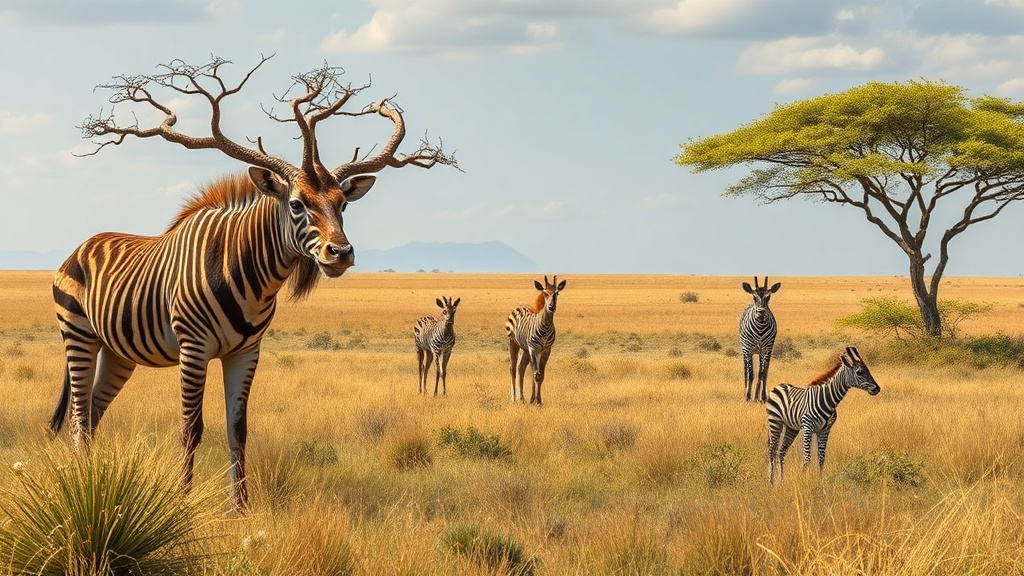
– Large herbivores: antelopes, zebras, elephants, and other grazers and browsers that maintain grassland structure through grazing and nutrient cycling.
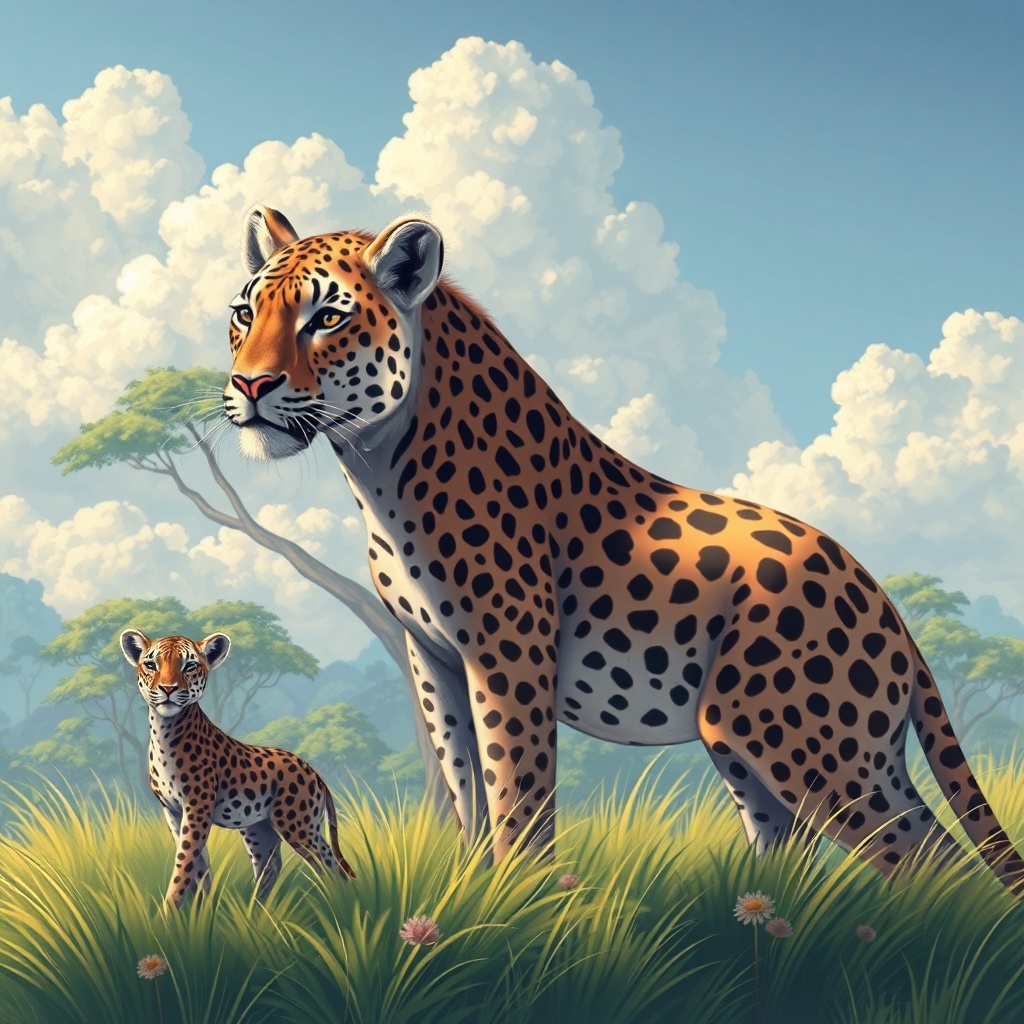
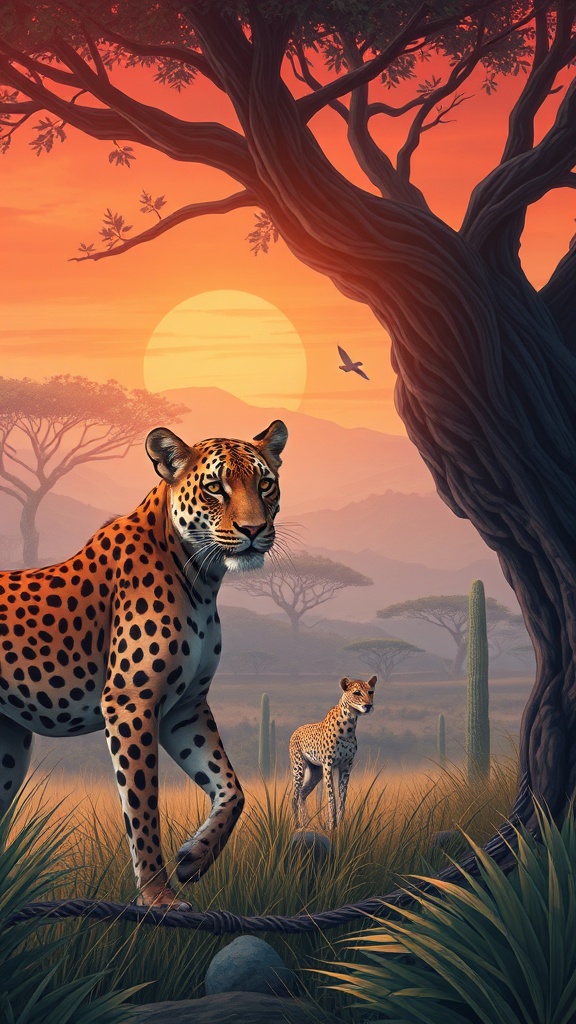
– Predators: lions, cheetahs, hyenas, and wild dogs that depend on herbivore populations and open hunting grounds.
– Birds and insects: ground-nesting birds, raptors, and a rich insect fauna that support pollination and decomposition.
Ecological processes: fire, grazing, and water
Fire is a natural and necessary force in many savannahs. Frequent, low-intensity fires remove woody encroachment, recycle nutrients, and trigger seed germination for certain species. Grazing by large herbivores complements fire by controlling grass height and promoting plant diversity.
Water availability—seasonal rivers, temporary pools, and underground reserves—dictates migration patterns, breeding cycles, and plant growth.
Human dimensions and benefits
Savannahs support millions of people through pastoralism, agriculture, and ecosystem services such as carbon storage, water regulation, and biodiversity.
Traditional land-use practices—rotational grazing, controlled burning, and mixed cropping—can sustain productivity while maintaining ecological balance.
Additionally, savannahs attract ecotourism, providing economic incentives for conservation when managed responsibly.
Threats and conservation priorities
Savannahs face multiple pressures that undermine their resilience:
– Land conversion for intensive agriculture, infrastructure, and urban expansion reduces habitat and fragments wildlife corridors.
– Overgrazing and unsustainable fire suppression alter vegetation balance, leading to woody encroachment or degraded pasture.
– Illegal hunting and trade threaten large mammals and disrupt predator-prey dynamics.
– Climate variability can intensify droughts or shift seasonal patterns, stressing both wildlife and human communities.
Effective conservation strategies
Protecting savannahs requires an integrated approach:
– Community-based conservation that secures local livelihoods while empowering people as stewards of the land.
– Sustainable grazing regimes and managed burns that mimic natural processes and preserve biodiversity.
– Habitat corridors and protected areas that maintain migration routes and genetic connectivity.
– Restoration of degraded areas through native grass reseeding, erosion control, and invasive species management.
Safeguarding these landscapes benefits wildlife and people alike. Whether for the thrill of wildlife watching, the essential ecosystem services they provide, or their cultural significance to many communities, savannahs deserve attention and thoughtful stewardship. For those visiting or working in savannah regions, supporting responsible tourism, respecting traditional land practices, and advocating for balanced land-use planning are practical ways to contribute to long-term resilience.