Virginia’s craft beverage scene has evolved into one of the most compelling reasons to visit the state, blending historic landscapes with modern production and tasting-room hospitality. From rolling vineyards along limestone-rich soils to urban breweries and small-batch distilleries, there’s a taste trail for every palate.
Why Virginia stands out
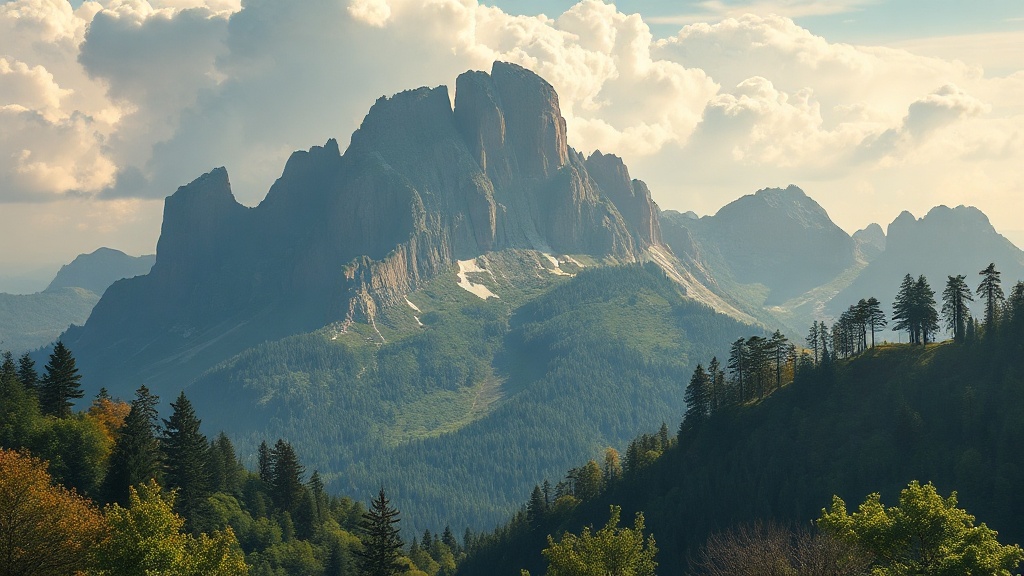
Virginia’s diverse geography — coastal flats, Piedmont hills, and cooler mountain valleys — supports a wide range of grapes, hops, apples, and grains. That terroir diversity allows winemakers to produce everything from crisp Viognier and bold Cabernet Franc to experimental blends that push traditional boundaries. Breweries thrive by pairing classic styles with local grains and seasonal adjuncts, while distilleries focus on Appalachian corn, rye, and farm-to-bottle transparency. Farmgate operations and on-site tasting rooms add authenticity and invite visitors to learn how ingredients become flavor.
Top experiences to plan
– Vineyard tours and tastings: Many wineries offer guided tours that explain vine-to-bottle processes. Seek out estate-grown labels for the most expressive regional examples. Late afternoons with vineyard views are ideal for relaxed sampling.
– Brewery hops and behind-the-scenes visits: Urban and rural breweries often feature taprooms with rotating drafts and food trucks. Taproom staff tend to be passionate guides who can recommend pairings and lesser-known releases.
– Distillery samplers and cocktails: Distilleries frequently provide flights that showcase a mashbill range — from clear grain spirits to barrel-aged whiskeys.
Cocktail-focused tasting rooms add a mixology angle for those who enjoy crafted drinks rather than straight pours.
– Cidery and meadery stops: Apple orchards and beekeepers contribute to a growing cider and mead scene, offering crisp, fruit-forward options and honey-based beverages that reflect local agriculture.

Practical tips for enjoying the trail
– Reserve ahead: Popular tasting rooms and weekend tours can fill up. Booking a time slot or signing up for a tasting flight will save wait time and ensure attentive service.
– Arrange safe transport: Designate a driver, hire a local shuttle, or join a guided tour to enjoy samples responsibly.
Many regions now offer scooter or bike-friendly routes between clustered stops.
– Pair with local food: Cheese boards, charcuterie, oysters, and wood-fired pizza are natural companions. Farm-to-table restaurants near tasting destinations often curate menus specifically to complement local beverages.
– Look for sustainable and organic practices: Producers increasingly highlight regenerative farming, natural fermentation, and reduced-water methods. Ask about vineyard practices or sourcing to support eco-conscious operations.
– Buy small-batch bottles on-site: Some expressions are exclusive to tasting rooms.
If you like something, purchasing directly supports the producer and guarantees access to limited releases.
Best seasons to visit
Each season changes the vibe: spring blossoms and early harvest energy; summer outdoor patios and live music; fall foliage and crisp cider; winter barrel tastings and cozy tasting rooms.
Off-peak visits offer quieter experiences and more intimate conversations with makers.
Connecting culture and commerce
Craft beverage production in Virginia ties to culinary tourism, outdoor recreation, and historic sites. Many trails route visitors near scenic byways and heritage attractions, making a beverage-focused trip also a cultural and natural exploration.
Whether you’re planning a weekend escape or building a long-term cellar, Virginia’s beverage trail delivers variety, hospitality, and a sense of place that rewards both casual sippers and serious enthusiasts. Consider mapping a region, booking a few key tastings, and leaving room to discover a surprising new favorite along the way.