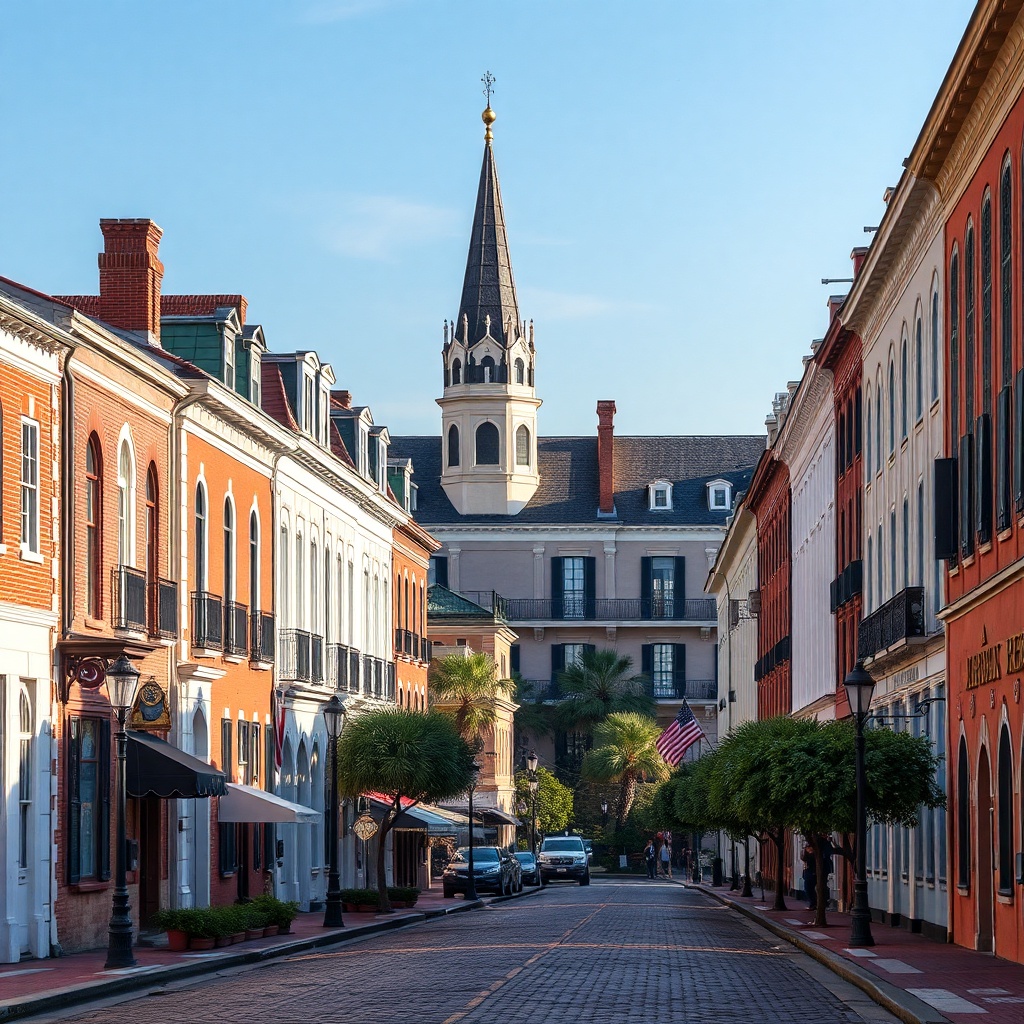
Savannah, Georgia, remains one of the South’s most compelling coastal cities, blending historic charm, moss-draped oaks, and a lively cultural scene. Whether you’re drawn to architecture, food, or waterfront strolls, Savannah offers experiences that feel both timeless and fresh.
Begin with the Historic District, where cobblestone streets and 22 park-like squares create an unusually walkable urban fabric. The city’s preserved antebellum and Victorian homes showcase varied architectural styles—Federal, Greek Revival, Gothic Revival—making every block a living museum.
Architectural tours and self-guided walks highlight details from ironwork balconies to hidden courtyards, offering a layered perspective on preservation and adaptive reuse.
Forsyth Park functions as Savannah’s social living room. Its iconic fountain is a favorite for photos, but the park’s sprawling oaks and trails also host fitness classes, farmer markets, and casual picnics. Nearby boutiques, galleries, and coffee shops make this area an ideal base for exploring on foot.
River Street’s mile-long promenade along the Savannah River delivers a mix of history and contemporary energy. Converted cotton warehouses house shops, galleries, and restaurants with river views. A riverboat cruise provides a different vantage on the city—good for learning about Savannah’s maritime past and watching cargo traffic glide past modern cranes.
Food is an essential part of the Savannah story. Lowcountry cuisine, with its rice-and-seafood traditions, spices the dining scene from refined coastal tasting menus to hearty neighborhood joints. Look for classic dishes like shrimp and grits, she-crab soup, and inventive takes on Southern staples. An expanding craft cocktail and local brewery scene complements the culinary offerings, making evenings as interesting as the daytime strolls.

Savannah’s reputation for ghost stories and historic mysteries draws curious travelers to evening ghost tours and historic house museums. These guided walks mix folklore with factual history, offering a playful way to engage with the city’s layered past. Museums and cultural institutions provide balance, showcasing art, regional history, and contemporary creative voices that keep the city’s cultural conversation current.
Neighborhoods beyond the core—such as the rapidly evolving Starland and the eclectic neighborhoods along the west side—feature murals, studios, and community-driven projects. These areas reflect local entrepreneurship and a growing creative economy, where galleries, record shops, and independent bookstores add texture to the city’s identity.
Like many coastal cities, Savannah faces environmental challenges tied to its riverine and marsh landscapes. City planners, community groups, and preservationists are actively working on coastal resilience measures and smart-growth strategies that protect historic assets while adapting infrastructure. Sustainable tourism and responsible development are increasingly part of the conversation for residents and visitors alike.
Practical tips: comfortable walking shoes are a must for cobblestones and squares; plan for warm, humid afternoons and bring a light layer for cooler evenings; make reservations for popular restaurants and tours, especially on weekends.
Consider mixing guided tours with free exploration—letting time slow down under live oaks or discovering a tucked-away café enhances the Savannah experience.
Whether you’re on a first visit or a returning traveler, Savannah offers a rich combination of history, culinary discovery, and riverside charm. Take time to wander, listen to local stories, and let the city’s layered character unfold at a relaxed pace.