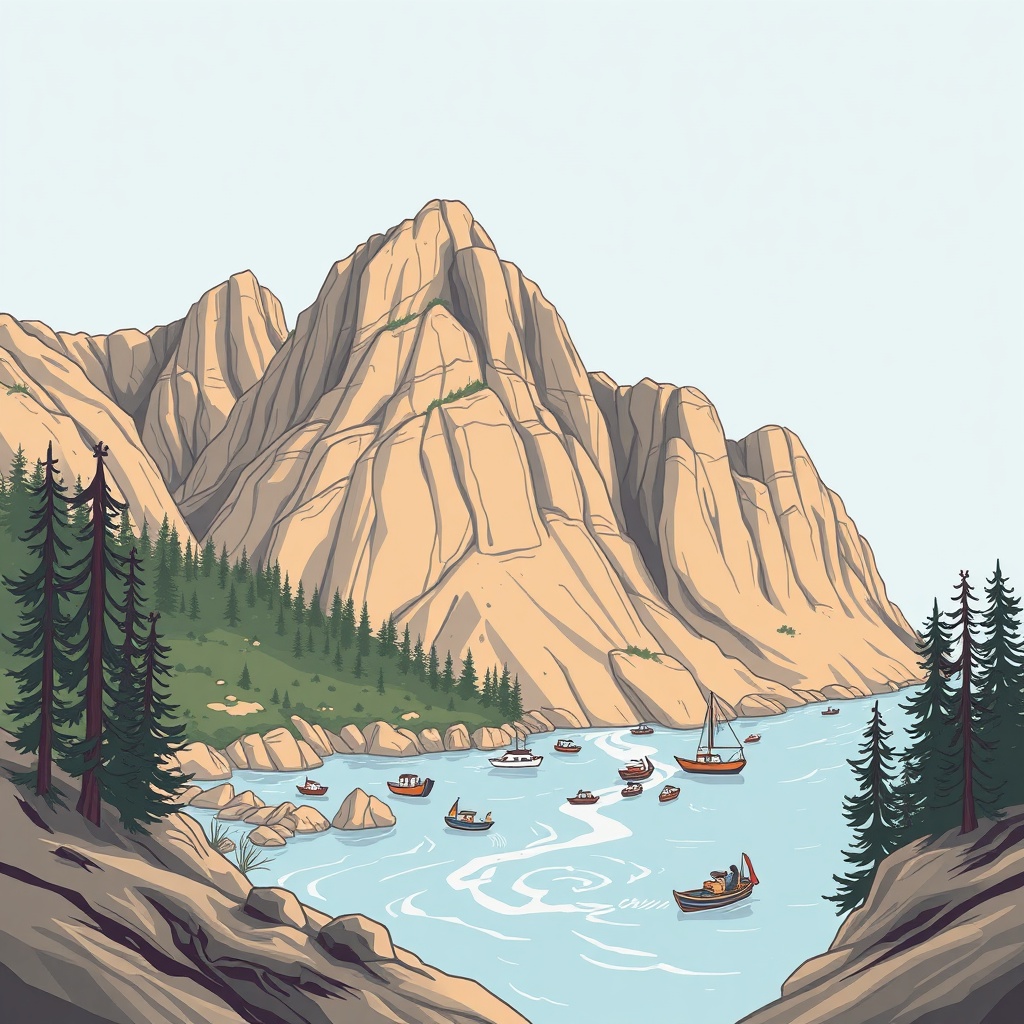
Virginia’s coast is a living story of renewal, adaptation, and outdoor adventure. From the sheltered marshes and tidal creeks of the Eastern Shore to the naval shipyards and historic waterfronts of Hampton Roads, the state has become a national example of how communities, scientists, and businesses can work together to protect a vital ecosystem while keeping recreation and commerce thriving.
Why the Chesapeake matters
The Chesapeake Bay is the heart of Virginia’s coastal identity. It supports seafood harvests, tourism, and biodiversity—oysters, blue crabs, migratory birds, and important nursery habitats for fish. Decades of pollution, shoreline erosion, and rising waters have stressed the bay, but coordinated restoration efforts are returning measurable benefits. Programs that reduce nutrient runoff from farms and suburbs, restore wetlands, and rebuild oyster reefs are improving water clarity and wildlife habitat, making the bay healthier for residents and visitors alike.

Living shorelines and resilience
Traditional seawalls can interrupt natural processes and worsen erosion for neighbors. The “living shoreline” approach—using native marsh plants, oyster reefs, and gently sloping sand—is gaining traction across Virginia’s coast because it buffers waves, traps sediment, and provides habitat. Coastal cities and towns are pairing these nature-based solutions with upgraded stormwater systems and elevated infrastructure to reduce flooding risk.
Military installations, port facilities, and homeowners are investing in resilience planning to protect critical assets while preserving scenic shorelines.
Oyster restoration as a natural filter
Oysters are tiny environmental powerhouses: a single reef can filter thousands of gallons of water per day. Restoration projects combine traditional reef-building with partnerships that let private oyster growers, volunteer divers, and research institutions scale up reef creation.
The result is cleaner water, stronger shorelines, and a revitalized local seafood economy. Oyster festivals and farm tours offer visitors a chance to taste the results and learn how conservation and commerce go hand in hand.
Outdoor experiences that connect people to the coast
For outdoor enthusiasts, Virginia’s coast is a year-round playground. Paddle the tidal creeks of the Eastern Shore, watch wild ponies roam barrier islands, or cast a line for striped bass and bluefish. National wildlife refuges, state parks, and designated paddling trails make it easy to explore salt marshes, maritime forests, and sandy beaches. Eco-tours and guided experiences offer low-impact ways to learn about the bay’s ecology while supporting local guides and communities.
How visitors and residents can help
Every person can be part of the bay’s recovery. Simple actions—reducing fertilizer use, planting native vegetation, supporting local seafood, and choosing pervious materials for driveways—add up. Volunteering for shoreline cleanups or oyster reef builds connects people directly with hands-on conservation. When choosing coastal activities, seek operators that follow sustainable practices and support businesses that reinvest in local restoration work.
A balanced future
Virginia’s coastal communities are finding a pragmatic balance: protecting infrastructure and livelihoods while restoring the natural systems that make the region unique.
The combination of science-based restoration, community engagement, and nature-based engineering is creating a more resilient coastline that preserves both heritage and opportunity. Whether you’re a resident, visitor, or business owner, the coast’s future depends on choices made today—choices that make the Chesapeake stronger for generations of Virginians and the wildlife that depend on it.