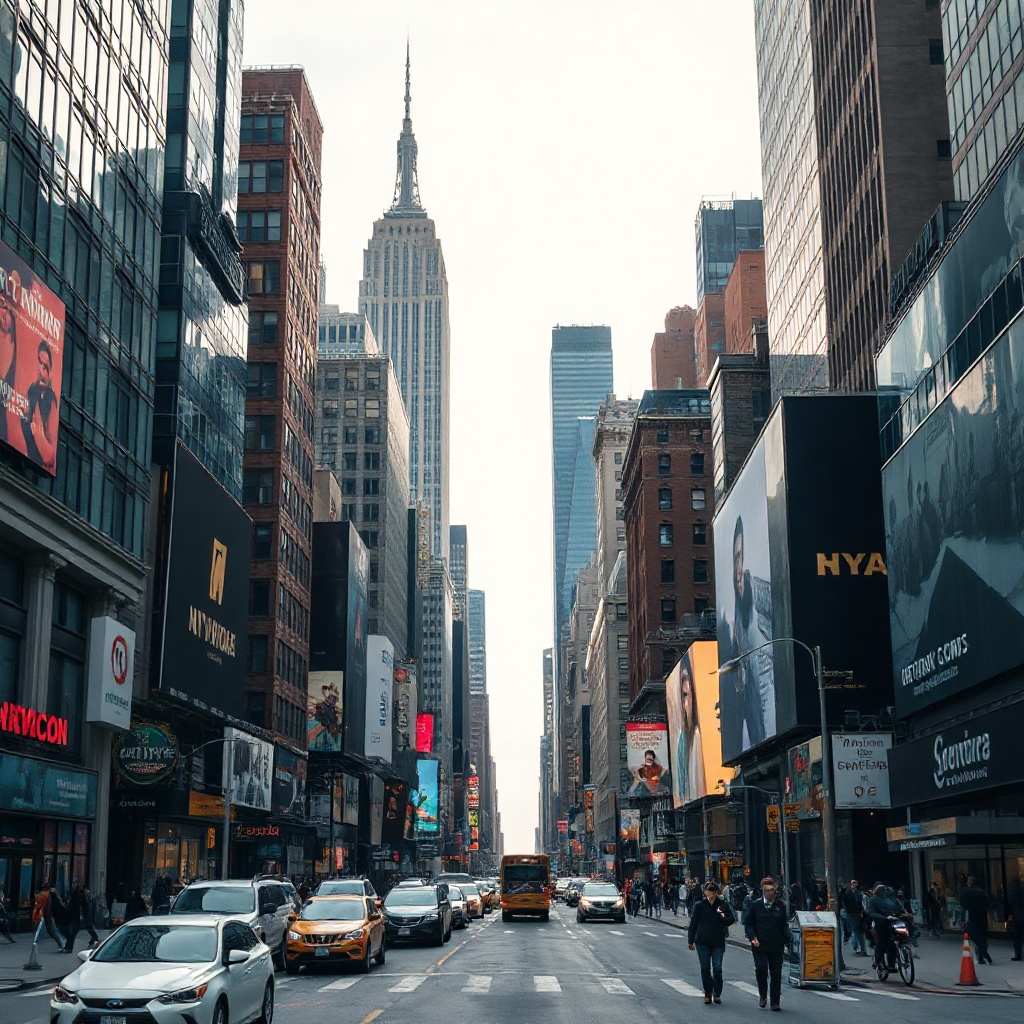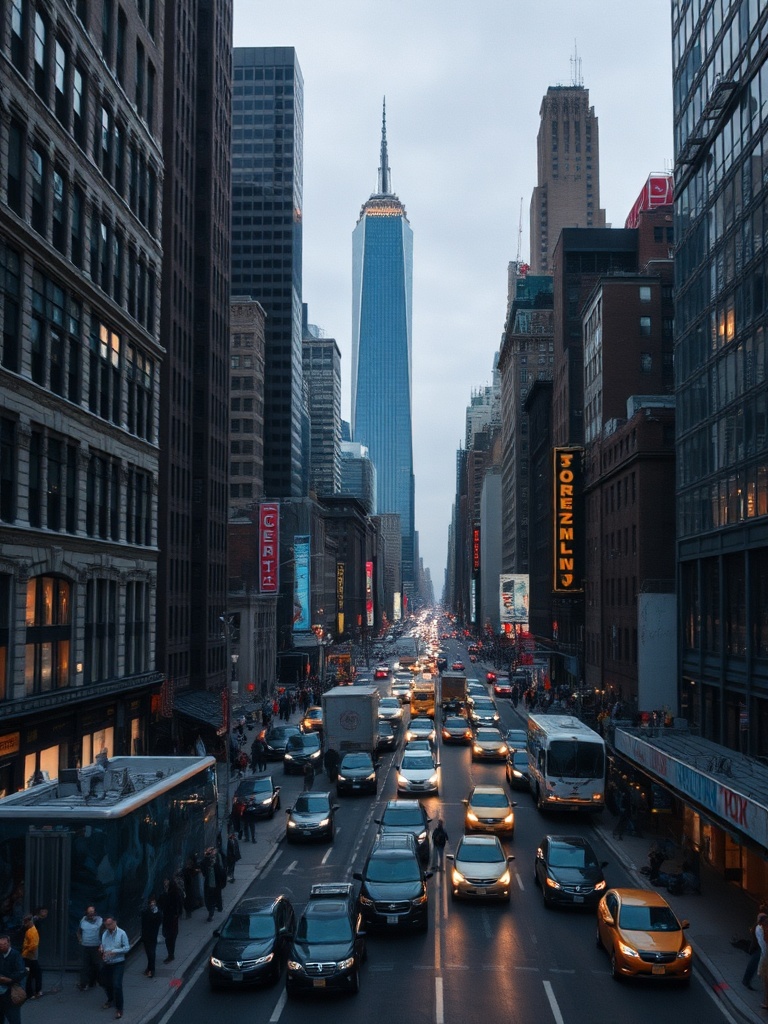
New York is reimagining its streets as vibrant public space rather than just channels for cars.
A renewed focus on pedestrian plazas, protected bike lanes, and bus-priority corridors is reshaping how people move, work, shop, and gather across the city. That shift is easing daily commutes, supporting small businesses, and making neighborhoods more livable.
Why streets are changing
Cities worldwide are experimenting with the idea that streets should serve people first.
In New York, that philosophy shows up in closed-off plazas hosting markets and performances, expanded sidewalks, and networks of protected bike lanes that connect parks, transit hubs, and commercial corridors. These changes promote healthier transportation choices, reduce noise and air pollution, and create safer environments for people walking and cycling.
Key elements of the transformation
– Pedestrian plazas: Formerly underused segments of roadway have become community hubs with seating, greenery, and programming. These plazas encourage foot traffic that boosts nearby retailers and give neighborhoods a place to host pop-ups, performances, or casual meetups.
– Protected bike lanes: Physically separated bike lanes increase rider confidence and help attract people who might otherwise avoid cycling.

They also make streets more predictable for drivers and pedestrians by clarifying where each mode belongs.
– Bus-priority lanes and street redesigns: Dedicated lanes and signal priority help buses move faster and stay on schedule, making transit a more attractive option. Streets redesigned with curb extensions, raised crosswalks, and shorter crossing distances improve pedestrian safety.
– Temporary experiments: Pop-up plazas and temporary lane reconfigurations let planners test ideas quickly and iterate with community input. Successful pilots often become permanent fixtures.
Benefits for neighborhoods and businesses
When streets prioritize people, local economies often see a boost.
Restaurants and retailers benefit from increased foot traffic and the ability to spill seating into plazas or widened sidewalks.
Residential quality of life improves through less traffic noise and more public space for recreation. Additionally, these interventions support public health goals by encouraging walking and biking.
Design and equity considerations
Equitable planning is essential to ensure new public spaces serve all residents.
Accessible design—such as level surfaces, audible crosswalk signals, and seating that accommodates different needs—ensures broad participation. Community engagement helps prioritize improvements that reflect local needs, whether that’s better night-time lighting, space for informal vendors, or safer routes to schools and transit.
How to experience the new streets
Explore neighborhood plazas and bike-friendly corridors on foot or by bike to appreciate how design choices change the feel of a place. Many neighborhoods host weekend markets, outdoor performances, and street fairs that take advantage of pedestrianized space. For commuters, look for bus-priority routes and protected bike lanes that can offer faster, more reliable alternatives to driving.
What to watch next
The continuing evolution of streets will be shaped by ongoing pilots, community input, and technology that improves traffic signal timing and enforcement.
The most successful projects combine smart design with practical amenities—shade, seating, lighting, and trash management—to encourage consistent use.
Streets that prioritize people create safer, healthier, and more vibrant neighborhoods.
Whether you live in New York or are visiting, taking time to explore pedestrian plazas and bike corridors reveals how strategic design can transform everyday urban life.