Savannahs: The Grassland That Balances Fire, Wildlife, and People
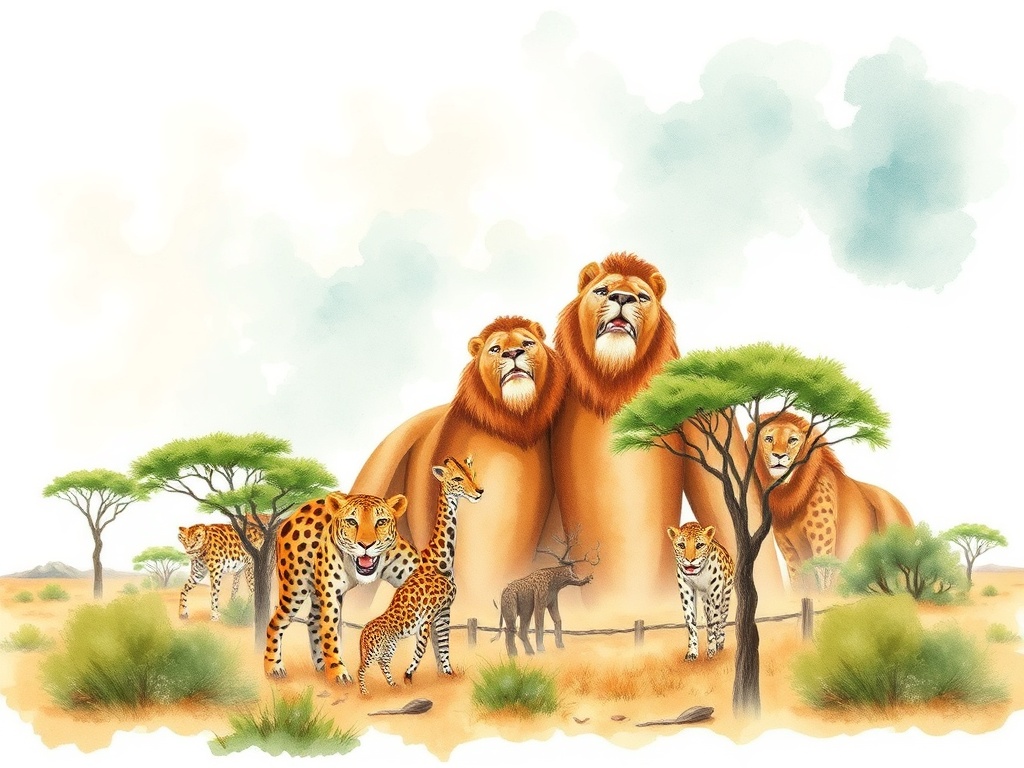
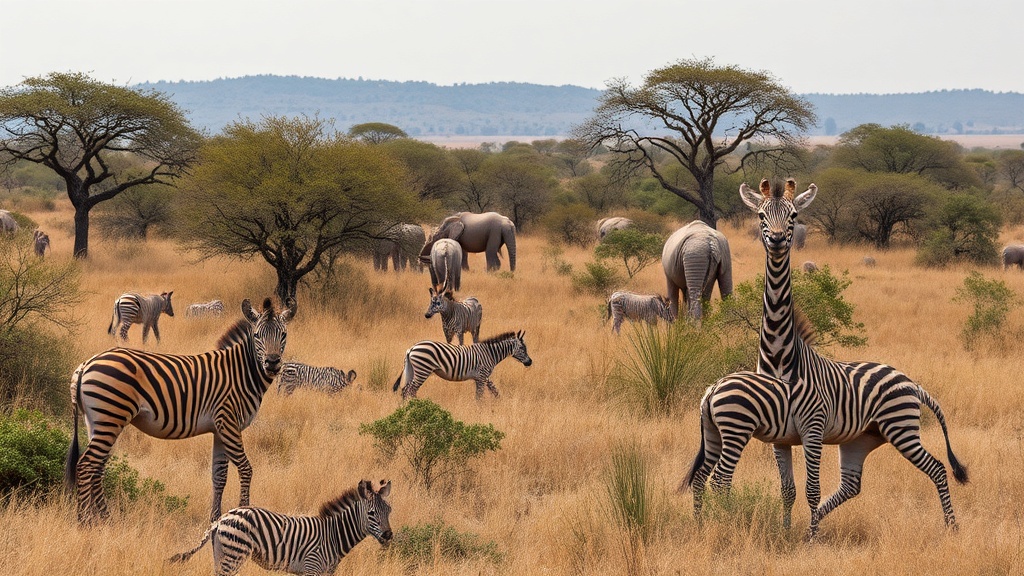
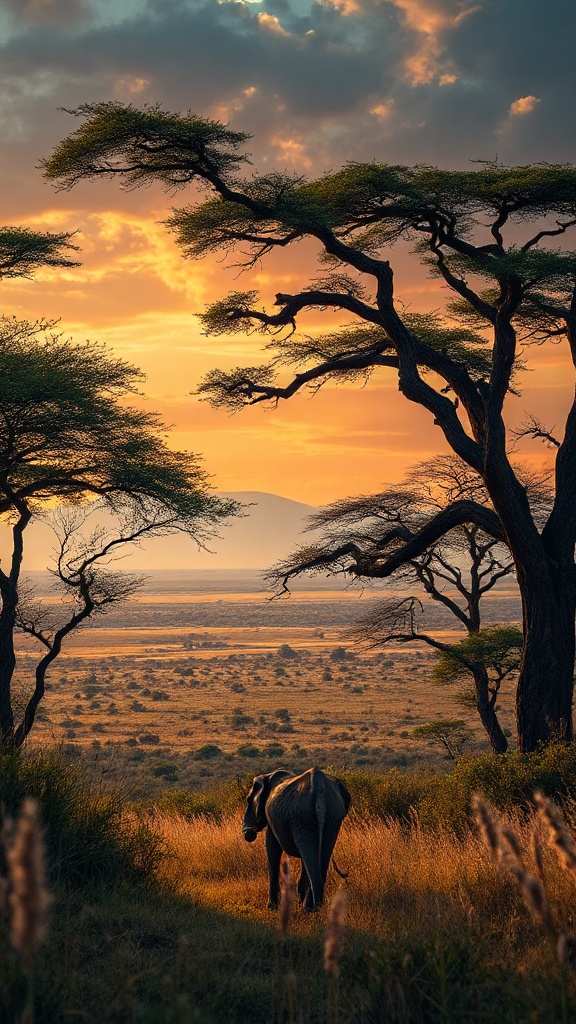
Savannahs are open landscapes where grasses dominate and scattered trees punctuate the horizon. These ecosystems occur across continents—from African plains to South American cerrados and Australian woodlands—and support an extraordinary mix of wildlife, cultural traditions, and economic activities. Understanding how savannahs function helps explain why they are both resilient and vulnerable.
What makes a savannah unique
Savannahs are defined by a dynamic balance between grasses, shrubs, and trees. Seasonal rainfall patterns, grazing by herbivores, and recurring fire regimes interact to maintain this balance. Fires, often perceived as destructive, are a natural process that recycles nutrients, controls woody plant encroachment, and stimulates new grass growth. Large herbivores—from antelope and bison to kangaroos—shape vegetation structure through grazing and trampling, creating habitat complexity that supports predators, birds, insects, and a diversity of plants.
Biodiversity and ecosystem services
Savannahs host iconic megafauna as well as countless lesser-known species. Ground-nesting birds, pollinators, and soil microbes perform essential ecological roles that support plant regeneration and nutrient cycling. These landscapes also provide key ecosystem services: grazing lands for livestock, sources of fuelwood and medicinal plants for local communities, and spaces for carbon storage in soils and woody vegetation.
Current pressures and changing regimes
Savannahs face multiple pressures that alter their natural dynamics. Conversion to cropland and pasture reduces habitat continuity and fragments wildlife corridors. Fire management practices have shifted in many regions: suppression in some areas leads to woody encroachment, while unchecked burning in others can degrade soils and biodiversity. Invasive plant species can outcompete native grasses, and altered rainfall patterns affect productivity and water availability. These changes influence not only species composition but also the livelihoods of people who depend on savannah resources.
Conservation strategies that work
Effective savannah conservation recognizes the role of people and disturbance processes. Community-led rangeland management combines traditional ecological knowledge with modern science to time controlled burns, manage grazing intensity, and restore degraded patches.
Restoring fire regimes that mimic natural patterns can reverse woody encroachment and boost biodiversity. Creating and maintaining landscape connectivity helps migratory species and genetic exchange. Payments for ecosystem services, sustainable livestock practices, and diversified income through ecotourism can align conservation goals with local economic needs.
Sustainable tourism and responsible visitation
Savannahs attract wildlife enthusiasts and nature photographers. Responsible tourism practices minimize disturbance: keep to designated tracks, respect wildlife distances, and support locally run guides and lodges that invest in conservation.
Visitor education about seasonal dynamics, why fires occur, and the role of grazing builds broader public support for smart management.
Practical actions for stewards
– Support local conservation initiatives that integrate community needs with habitat protection.
– Encourage adaptive fire management that uses controlled burns at appropriate times.
– Promote sustainable grazing plans that avoid overstocking and allow vegetation recovery.
– Back restoration projects targeting invasive species and degraded soils.

– Choose tourism operators that follow ethical wildlife viewing and contribute to local economies.
Savannahs are living systems shaped by disturbance, herbivory, and human stewardship. With thoughtful management and community engagement, these grasslands can continue to provide rich biodiversity, essential ecosystem services, and cultural values for many generations to come.