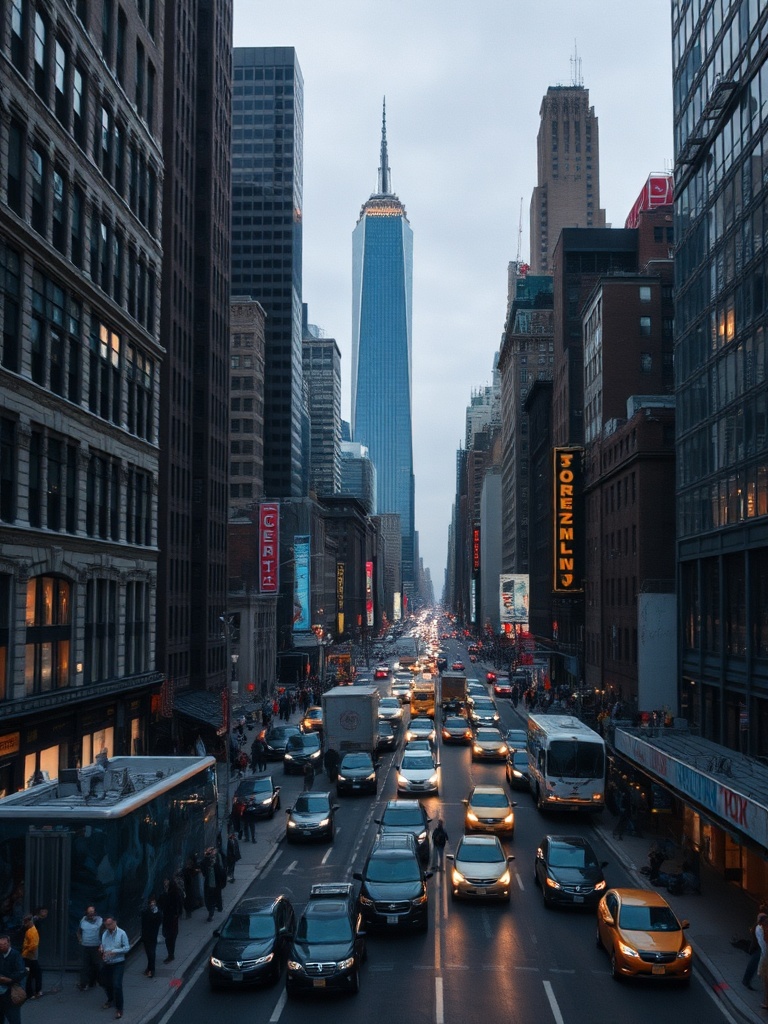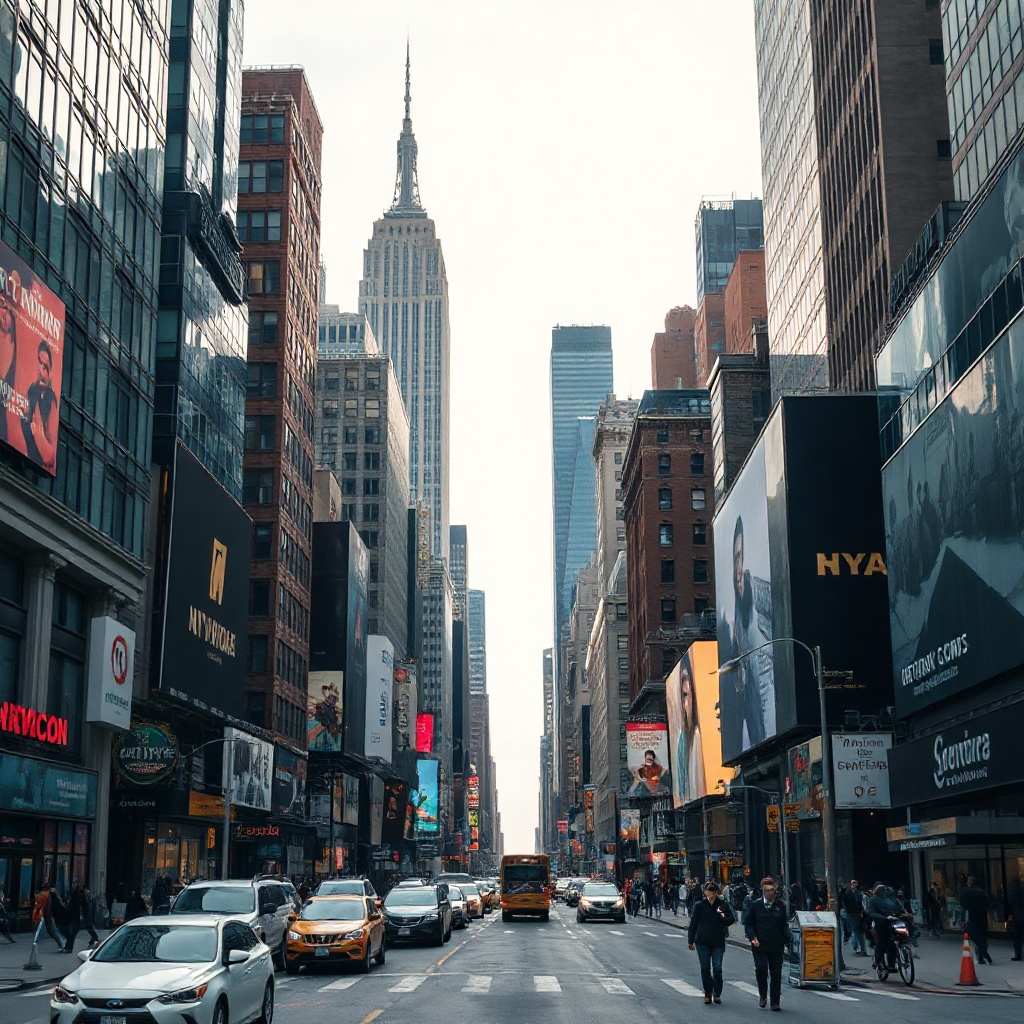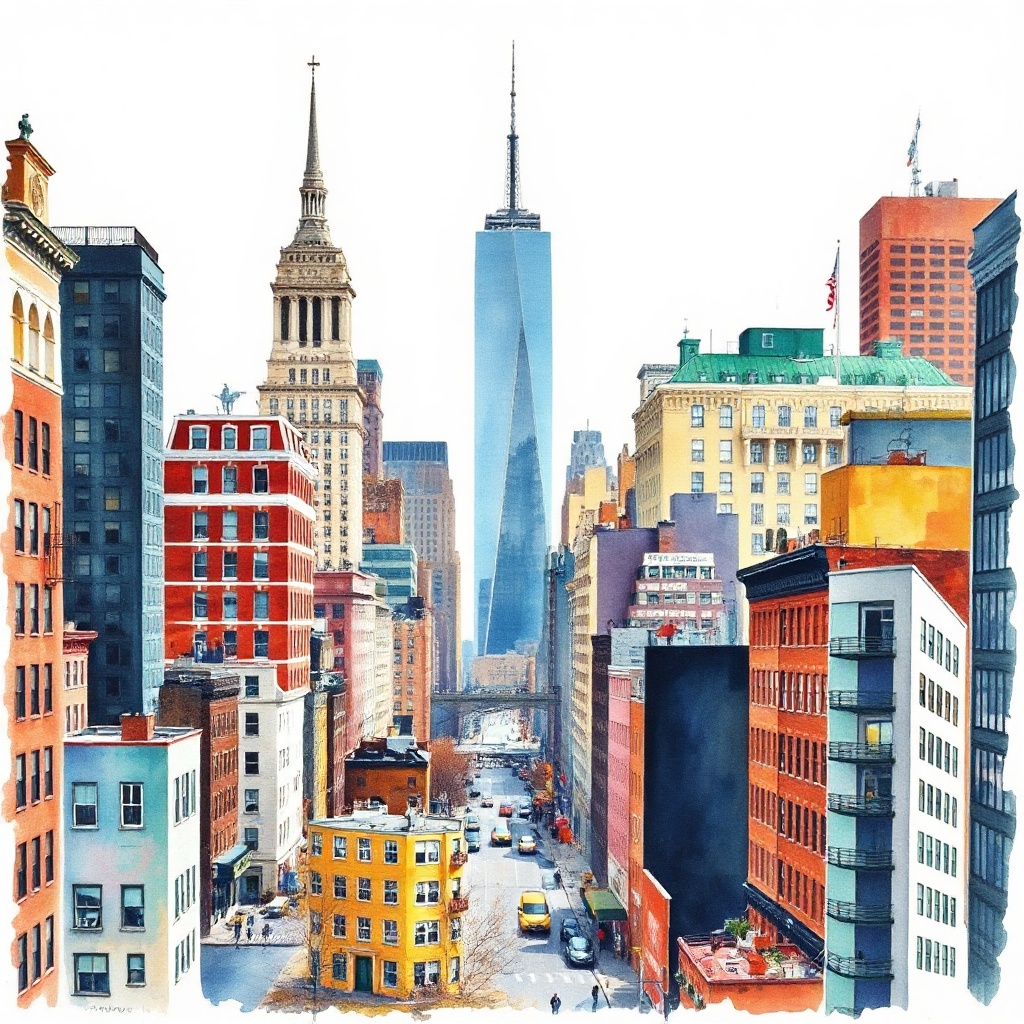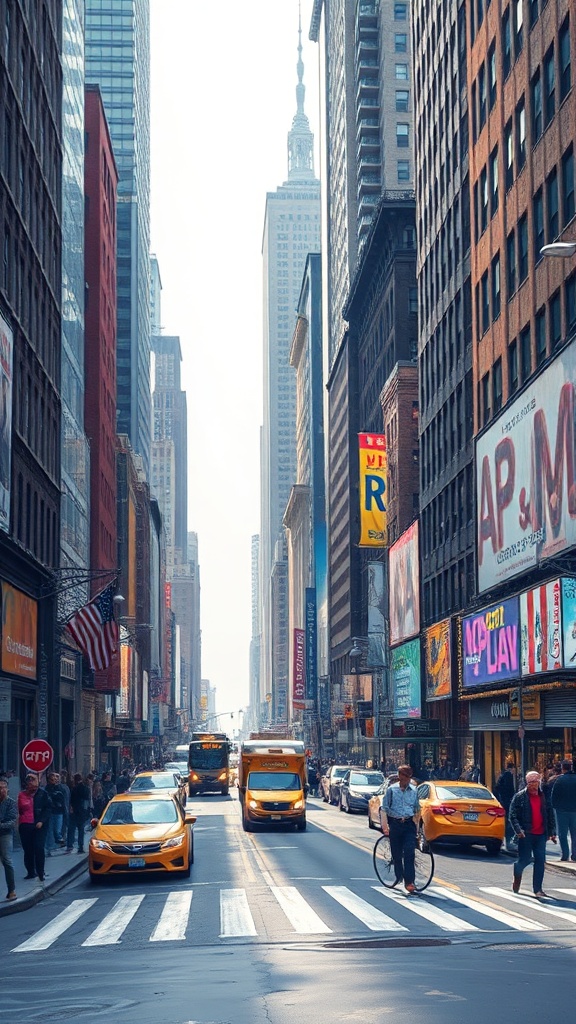
New York continues to reinvent how residents and visitors use public space, turning sidewalks, plazas, and underused streets into vibrant extensions of neighborhood life.
The trend toward reclaiming outdoor space blends practical urban planning with culture and commerce, and it’s reshaping how people experience the city.
Why public-space transformation matters
Dense cities rely on shared spaces for social interaction, small-business vitality, and environmental benefits. Expanding pedestrian zones and creating temporary or permanent parklets soothe traffic, reduce noise, and improve air quality. They also give local entrepreneurs room to experiment with pop-up shops, outdoor dining, and community programming without the overhead of traditional storefronts.
Where change is most visible
Neighborhoods across boroughs show inventive approaches.
Elevated greenways and converted rail lines create linear parks that connect distant blocks. Waterfront redevelopment projects add promenades with seating and native plantings. Residential avenues have given way to slow streets where people walk dogs, meet friends, and children play safely. Small strips near subway exits transform into bustling squares on weekends, hosting markets, food trucks, and live music.
What to look for when exploring
– Parklets and patios: Small platforms in former parking lanes provide surprising oases. They’re easy to spot in commercial corridors and often feature local art or planters.

– Open-street events: Periodic street closures for community markets and block parties create pedestrian-only zones. These are great for discovering local vendors and family-friendly activities.
– Community gardens: Hidden between buildings, these green pockets offer quiet refuge and often host volunteer days where neighbors plant or swap produce.
– Adaptive reuse sites: Old warehouses and industrial spaces frequently transform into cultural centers, galleries, and food halls—perfect for a low-key afternoon of exploration.
Tips for residents and visitors
– Walk intentionally: Some of the city’s best spaces are off the main tourist routes. Follow side streets and look for signs announcing local events.
– Support local: Many public-space initiatives are funded by nearby businesses or community groups. Eating at a sidewalk café, buying from a market stall, or attending a sponsored event keeps those projects sustainable.
– Use alternative transport: Bikes, scooters, and public transit make it easier to hop between neighborhoods and discover new outdoor spots without worrying about parking.
– Be mindful: Public spaces thrive when users respect seating, art installations, and plantings. Take trash to designated bins and be courteous to neighbors and performers.
How neighborhoods benefit
Reclaimed public spaces boost real estate appeal and foster stronger social ties. For small-business owners, outdoor space increases foot traffic and visibility. For families and seniors, accessible plazas and greenways provide safe places to socialize and exercise. Community groups gain venues for workshops, classes, and civic meetings that strengthen local networks.
Looking ahead
Momentum for expanding public space continues, driven by community advocacy and creative design. As more streets and lots adapt to human-scale uses, the city’s fabric becomes more resilient, walkable, and enjoyable. Whether seeking a quiet bench for reading, a lively weekend market, or a new café tucked under native trees, exploring the evolving public spaces offers one of the most rewarding ways to experience the city’s energy and ingenuity.