Savannahs: Why the World’s Grasslands Matter and How They’re Being Protected
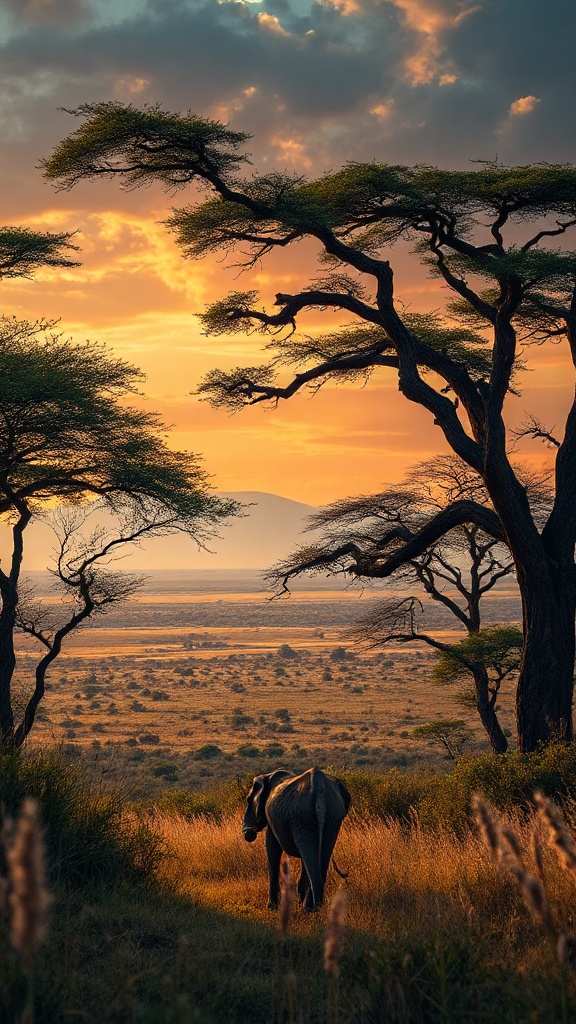
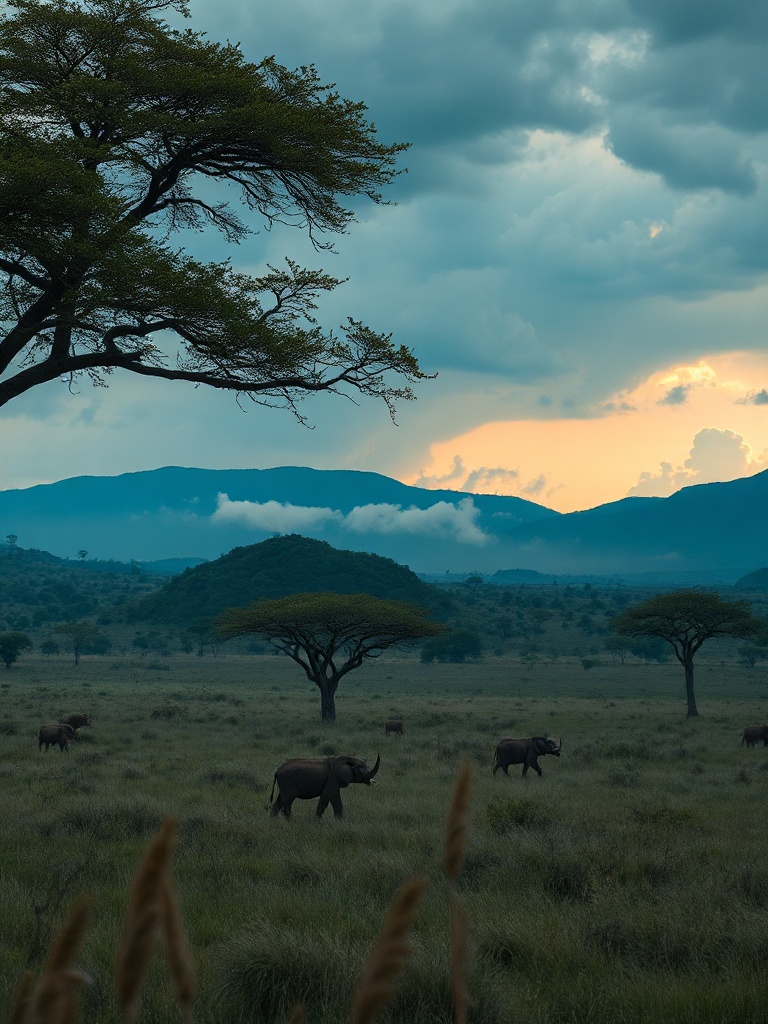
Savannahs are among the planet’s most striking and productive ecosystems. Characterized by open grasslands dotted with trees, these landscapes support a unique mix of large herbivores, apex predators, migratory birds, and a wealth of plant life adapted to seasonal rainfall and fire. Beyond their scenic value, savannahs deliver essential services: carbon storage, groundwater recharge, soil fertility, and livelihoods for millions.
What makes savannahs special
Savannahs balance between forest and desert, shaped by periodic fires, grazing pressure, and a seasonal climate.
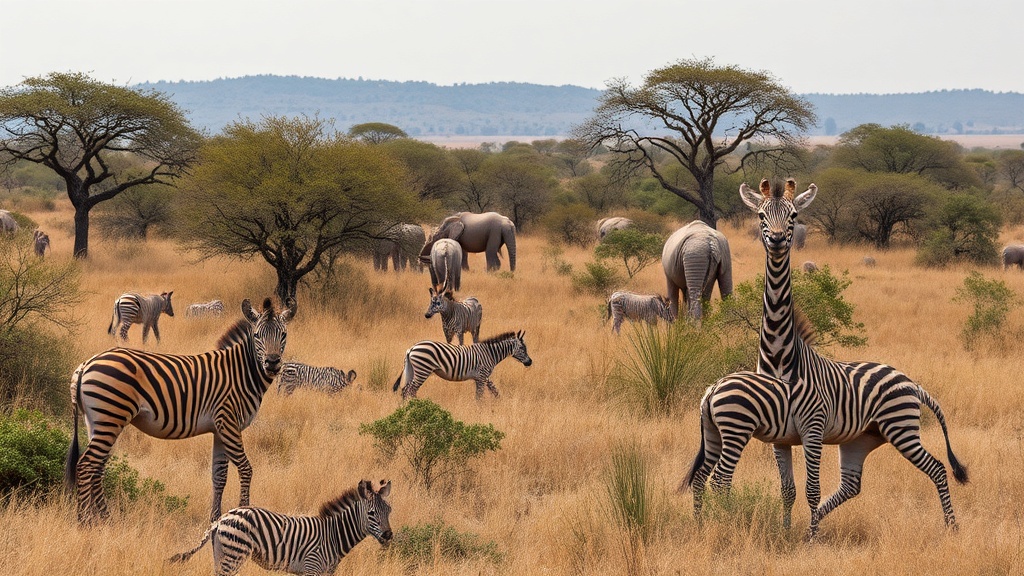
Grasses dominate thanks to deep root systems that store carbon and stabilize soils, while scattered trees provide shade, nesting sites, and forage. This mosaic structure supports high biodiversity — from elephant and wildebeest migrations to small mammals, reptiles, and pollinators — creating dynamic food webs and resilience to environmental fluctuations.
Key threats shaping the future
Savannahs face mounting pressure from several directions. Conversion to agriculture and pasture is the primary driver of habitat loss, fragmenting landscapes and cutting migration routes. Altered fire regimes — either suppression or uncontrolled burns — upset the natural cycles that maintain grass-tree balance. Invasive species and overhunting further reduce biodiversity.
Climate variability adds another layer of risk, shifting rainfall patterns and intensifying droughts or extreme weather events, which can tip sensitive savannah systems into less productive states.
Conservation strategies that work
Effective savannah conservation blends science, community engagement, and adaptive management. Restoring natural fire regimes through controlled burns helps maintain grassland health and reduces catastrophic wildfires.
Community-based rangeland management aligns pastoral livelihoods with biodiversity goals by using rotational grazing, herd mobility, and local knowledge to prevent overgrazing. Wildlife corridors and transboundary conservation areas reconnect fragmented habitats and allow animals to track seasonal resources.
Rewilding and species reintroductions are being used selectively to restore ecological functions — but success depends on long-term monitoring and conflict mitigation where large animals come into contact with people and crops. Payment for ecosystem services programs and sustainable grazing incentives create financial rewards for land stewards who protect biodiversity and sequester carbon.
Sustainable tourism and local economies
Ecotourism, when managed thoughtfully, provides durable incentives to conserve savannahs.
Low-impact safaris, community lodges, and wildlife-friendly certification help capture tourism revenue for conservation and local development. At the same time, ensuring that benefits are equitably shared with local communities reduces pressure to convert land for short-term gains.
How individuals and organizations can help

– Support reputable conservation organizations focused on grassland protection and community-based initiatives.
– Choose travel operators that invest in local communities and practice low-impact tourism.
– Advocate for land-use policies that prioritize connectivity, soil health, and climate-smart agriculture.
– Reduce food waste and consider sustainable sourcing choices that lessen pressure on natural rangelands.
Looking ahead
Savannahs are resilient but not invincible.
Maintaining their ecological balance requires integrating traditional knowledge with modern conservation science, protecting migration routes, and aligning economic incentives with long-term stewardship.
With thoughtful policies and community leadership, these iconic landscapes can continue to sustain both people and wildlife while providing critical services that benefit the broader planet.