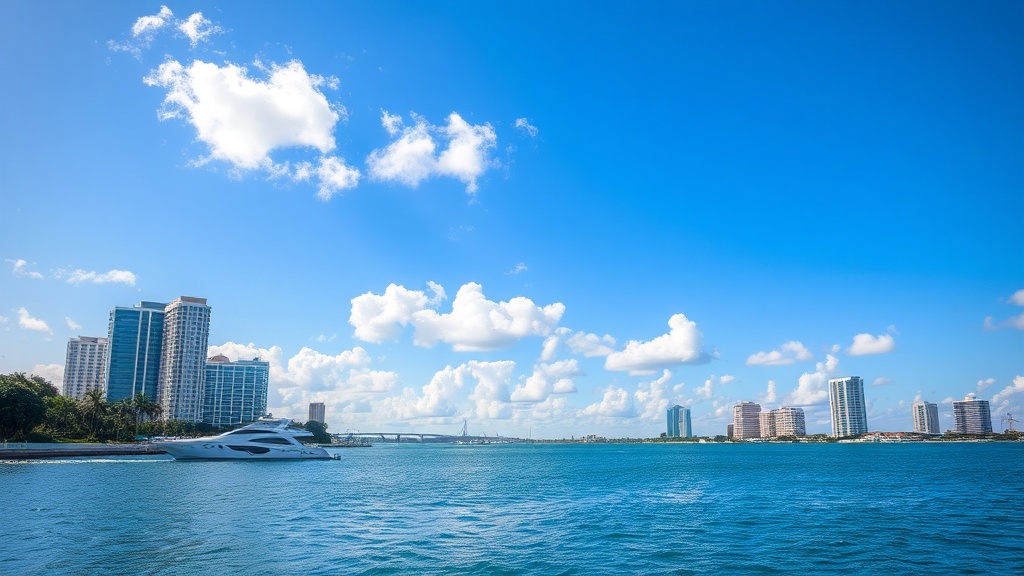
Florida’s coastlines are at the center of an urgent conversation about climate, growth, and resilience. With rising seas and stronger storms affecting communities from the Panhandle to the Keys, cities, counties, businesses, and homeowners are shifting from reactive recovery to proactive adaptation. That shift is reshaping planning, insurance markets, infrastructure investment, and the way residents think about living near the water.
Why resilience matters now
Coastal flooding and storm surge are no longer rare events; they are recurring stresses that damage roads, drain systems, utilities, and homes.
Flooding erodes property values, raises insurance costs, and strains municipal budgets.
For states with extensive shoreline and low-elevation development, these impacts ripple through tourism, real estate, and public safety. Recognizing this, local governments are balancing growth with long-term risk management.
Common strategies cities are using
– Nature-based solutions: Restoring mangroves, dunes, wetlands, and seagrass beds provides natural buffers that absorb wave energy and reduce erosion. These approaches often cost less than hard infrastructure and deliver co-benefits for wildlife and recreation.
– Elevated and resilient infrastructure: Roads, stormwater systems, and energy grids are being redesigned with higher elevations, flood-proofing, and redundancy to maintain service during extreme events.
– Smart land-use planning: Limiting development in high-risk zones, updating building codes, and promoting compact growth reduce exposure while preserving valuable coastal ecosystems.
– Managed retreat and buyouts: When certain properties are repeatedly damaged, buyouts and relocation programs can be more sustainable than endless repairs, though they require thoughtful community engagement.
– Flood mitigation investments: Pump stations, seawalls, tidal gates, and improved drainage reduce immediate risk, especially in urban centers where land constraints limit other options.
The insurance and housing link
Insurance availability and affordability are key pressure points. As insurers reassess risk, some homeowners face higher premiums or difficulty finding coverage. That dynamic affects mortgage availability and resale values. Homeowners can mitigate exposure by elevating structures, installing flood vents, and purchasing flood insurance when appropriate. Local governments and private-sector partners are exploring incentives and financing tools to make resilience upgrades more accessible.
Funding and policy tools
Public funding, private capital, and public-private partnerships are flowing into resilience projects.
Grants and infrastructure funds—paired with municipal bonds and developer contributions—are enabling large-scale efforts like wetland restoration and stormwater overhaul.
Transparent cost-benefit analyses and long-term planning help prioritize projects that deliver the most protection for communities and economies.
What residents can do
– Know your risk: Use local flood maps and community hazard reports to understand vulnerability.
– Take simple home measures: Elevate utilities, install backflow valves, and improve drainage around your property.
– Consider insurance options: Review flood and wind coverage and work with a trusted agent to close gaps.
– Participate locally: Attend planning meetings, support nature-based projects, and advocate for clear, equitable policies that protect vulnerable residents.
Economic and cultural stakes
Florida’s beaches, boating, and outdoor lifestyle drive significant economic activity. Protecting that way of life requires investments that preserve both natural systems and built infrastructure. Carefully planned resilience strategies can support tourism, protect neighborhoods, and create jobs in construction, restoration, and tech-driven planning.
The path forward
Adapting to coastal change is complex and often contentious, but it is increasingly central to local planning. Collaboration across municipal, state, and private sectors—paired with science-based planning and community engagement—offers the best chance to safeguard Florida’s communities and economy while preserving the natural assets that define the state’s identity.