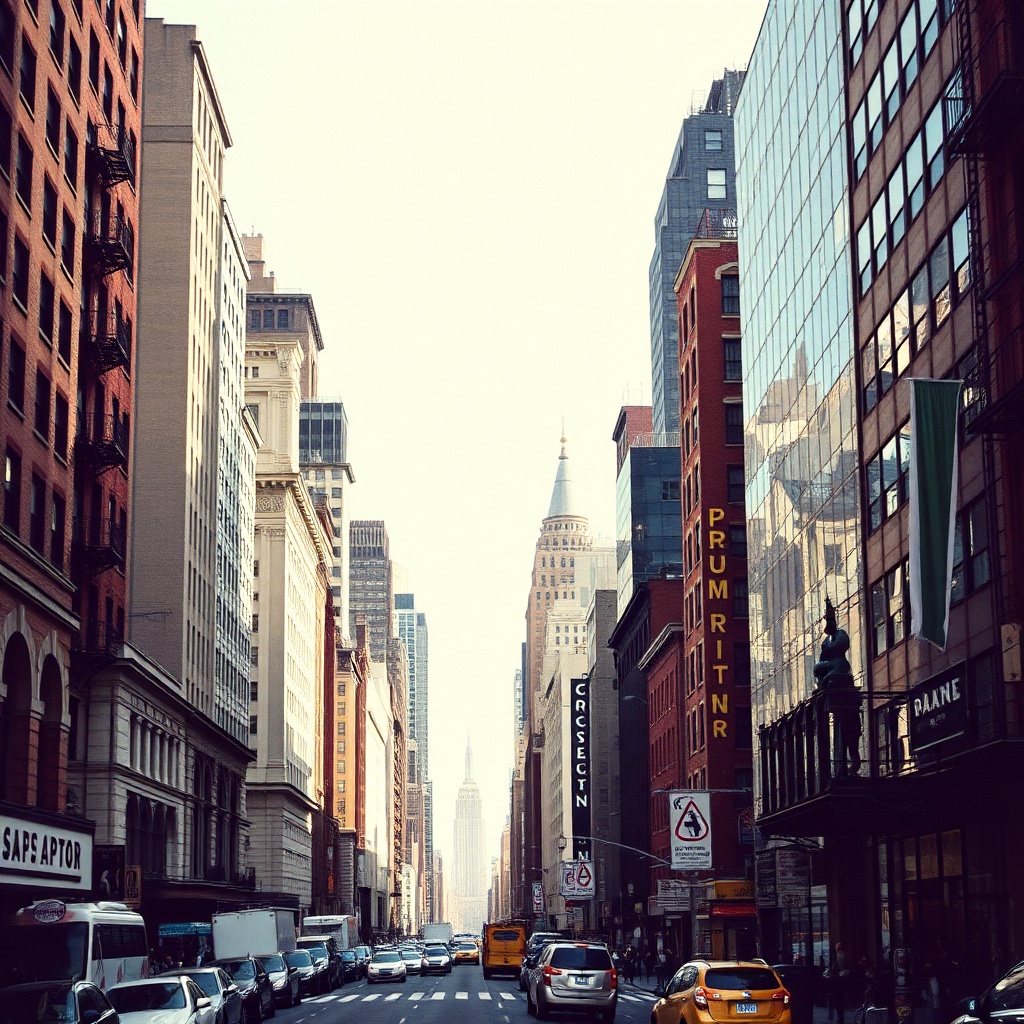
Biking in NYC: Practical Tips, Best Routes, and Safety Essentials
Biking in NYC has moved from a niche pastime to a mainstream way to get around.
Whether you’re a commuter, a visitor, or a weekend rider, the city offers a growing network of protected lanes, scenic greenways, and bike-share options that make two-wheeled travel practical and enjoyable.
Here’s a concise guide to help you ride smarter, safer, and more confidently.
Why choose biking in NYC
– Faster in many neighborhoods: Short trips under a few miles are often quicker by bike than by car or subway during busy hours.
– Eco-friendly and healthy: Cycling reduces emissions and adds regular low-impact exercise to your routine.
– Cost-effective: With bike-share memberships and affordable personal bikes, cycling is a budget-friendly transportation choice.
Essential gear and prep
– Helmet: A properly fitted helmet significantly reduces head injury risk. Choose one with good ventilation and reflective accents.

– Lights and reflectors: Front white light, rear red light, and side reflectors are critical for night or low-visibility riding.
– Lock: Invest in a sturdy U-lock and a secondary cable to secure wheels and accessories.
Lock to immovable objects in well-lit areas.
– Basic kit: Tire levers, a compact pump or CO2 inflator, a spare tube, and a multitool can save the day.
– Clothing: Layer for changing weather. High-visibility outerwear and waterproofs are useful for unpredictable conditions.
Navigation and bike-share
– Bike-share systems offer docked and dockless options across the city. Download the official app to find stations, check availability, and unlock rides.
– Use bike-aware navigation apps or the biking layer in mainstream map apps to find protected lanes, greenways, and lower-traffic streets.
– Plan routes along continuous protected lanes where possible—these dramatically increase comfort and safety.
Top routes and places to ride
– Hudson River Greenway: A scenic, mostly protected path along Manhattan’s west side, ideal for long, uninterrupted rides.
– East River Greenway segments: Portions give access to waterfront views; check maps for continuous stretches.
– Prospect Park Loop: Popular in Brooklyn for fitness rides and relaxed loops; be mindful of pedestrians and shared paths.
– Central Park loop: A signature NYC ride—busy on weekends but great for sightseeing and varied terrain.
– Brooklyn Waterfront: From DUMBO to Red Hook, waterfront paths combine skyline views with bike-friendly lanes.
Safety and etiquette
– Follow traffic laws: Bikes are vehicles. Obey signals and stop signs, ride with traffic, and use hand signals for turns.
– Be predictable: Maintain a steady line, avoid sudden swerves, and announce passes with a friendly “on your left.”
– Watch for dooring: Stay a safe distance from parked cars—ride in the “door zone” only when necessary.
– Respect pedestrians: Slow down in shared zones and yield where signs indicate.
– Mind intersections: Many crashes occur at intersections—stay visible, make eye contact with drivers, and be cautious.
Maintenance and local resources
– Regularly inspect brakes, tires, and drivetrain. Seasonal tune-ups at local bike shops keep bikes reliable.
– Community bike programs and co-ops offer classes on basic maintenance and safety for riders of all levels.
– For route updates, infrastructure changes, and safety initiatives, check the Department of Transportation’s cycling resources and local bike advocacy groups.
Final tips
Start with shorter rides to build confidence, avoid rush-hour subway crowds by biking for medium-distance commutes, and join group rides to learn local routes and etiquette. With sensible gear, route planning, and awareness, biking in NYC can be an efficient, healthy, and enjoyable way to experience the city.