South Carolina’s Lowcountry blends coastal beauty, rich culture, and a growing focus on resilience—making it a compelling destination for travelers, new residents, and anyone interested in how communities adapt to changing coastlines.
Coastal charm and outdoor adventures
From sandy beaches to shaded marshes, South Carolina offers outdoor experiences for every pace. Popular coastal towns attract beachgoers with broad shoreline, scenic piers, and family-friendly attractions. Beyond the shoreline, barrier islands and tidal creeks invite kayaking, birdwatching, and saltwater fishing. Inland, state parks and mountain trails offer hiking, waterfalls, and river paddling for those who prefer forested escapes.
Culinary culture and local flavors
Lowcountry cuisine is a signature draw, centered on fresh seafood, rice traditions, and strong culinary ties to Gullah heritage. Look for shrimp and grits, she-crab soup, and dishes highlighting local oysters and clams.
Farmers markets and coastal fish houses are great places to taste seasonal produce and meet producers; ordering the catch of the day supports local fisheries while offering the freshest flavors.
Gullah heritage and cultural preservation
Gullah communities along the coast maintain a distinct language, crafts, and culinary practices rooted in West African traditions.
Museums, cultural centers, and guided tours provide respectful ways to learn about this heritage. Support preservation efforts by visiting Gullah cultural sites, buying crafts directly from artisans, and choosing tour operators that work with local communities.
Coastal resilience and conservation
With coastal living popular, conservation and resilience efforts have become central. Local initiatives often focus on living shorelines, marsh restoration, dune rebuilding, and responsible development that protects wetlands.
Many towns balance tourism with environmental stewardship by promoting beach access management, habitat restoration, and community preparedness for storms and rising tides. Visitors can help by staying off fragile dunes, following posted wildlife protections, and using refillable water bottles and sustainable travel practices.
Smart travel and local tips
– Time visits for early mornings or late afternoons to avoid midday heat and crowds.

– Check tide charts for activities like shelling and paddling—low tide reveals wide flats and great photo opportunities.
– Book accommodations and tours in advance for peak weekend and holiday periods; midweek stays often offer quieter experiences.
– Respect private property, especially on barrier islands and residential sea islands where access can be limited.
– Try community-run markets and farm stands for authentic local food and handmade goods.
Economic and lifestyle trends
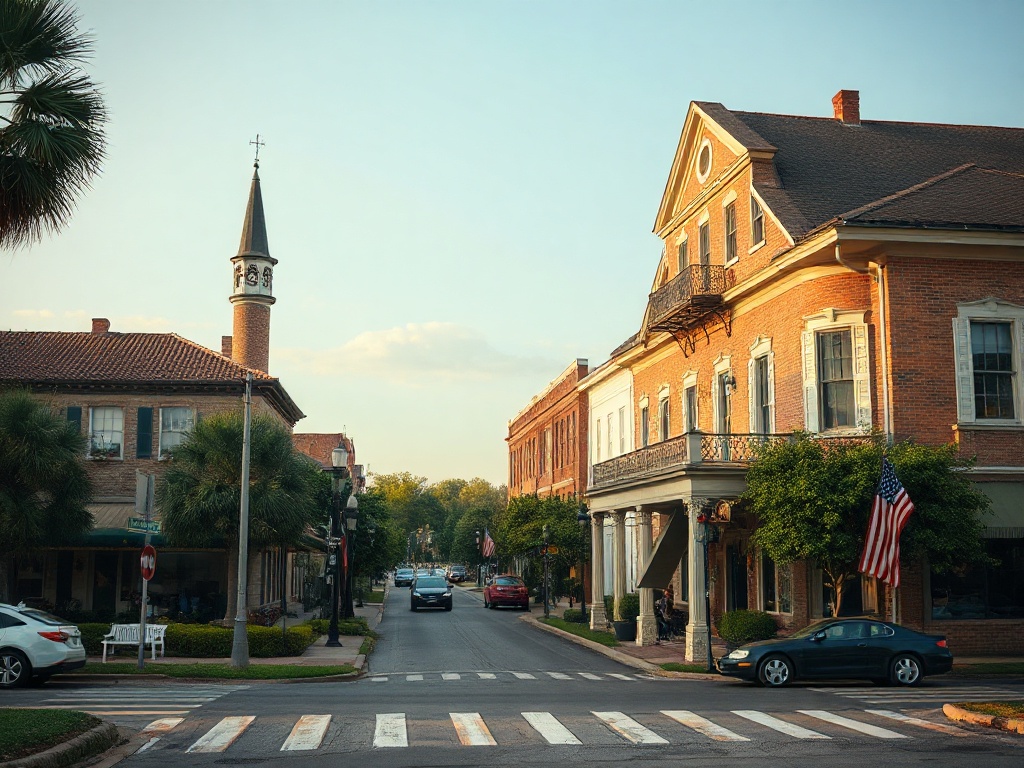
South Carolina’s economy blends tourism with manufacturing, ports, and growing service sectors. Coastal communities are attracting remote workers and retirees seeking lifestyle amenities, while inland cities develop arts scenes, microbreweries, and new dining corridors. Real estate options vary from historic downtown homes to waterfront developments, and buyers increasingly weigh flood risk and insurance considerations when choosing locations.
Planning a visit or move
Whether coming for a weekend or considering relocation, research neighborhoods, local schools, and flood mitigation plans. Engage with community calendars and local guides to discover festivals, seafood events, and outdoor programs that showcase regional identity and seasonal abundance.
South Carolina’s mix of historic towns, culinary traditions, and coastal ecosystems creates a layered experience. With thoughtful travel choices and support for conservation and cultural preservation, visitors and residents alike can enjoy the Lowcountry’s character while helping protect it for the future.