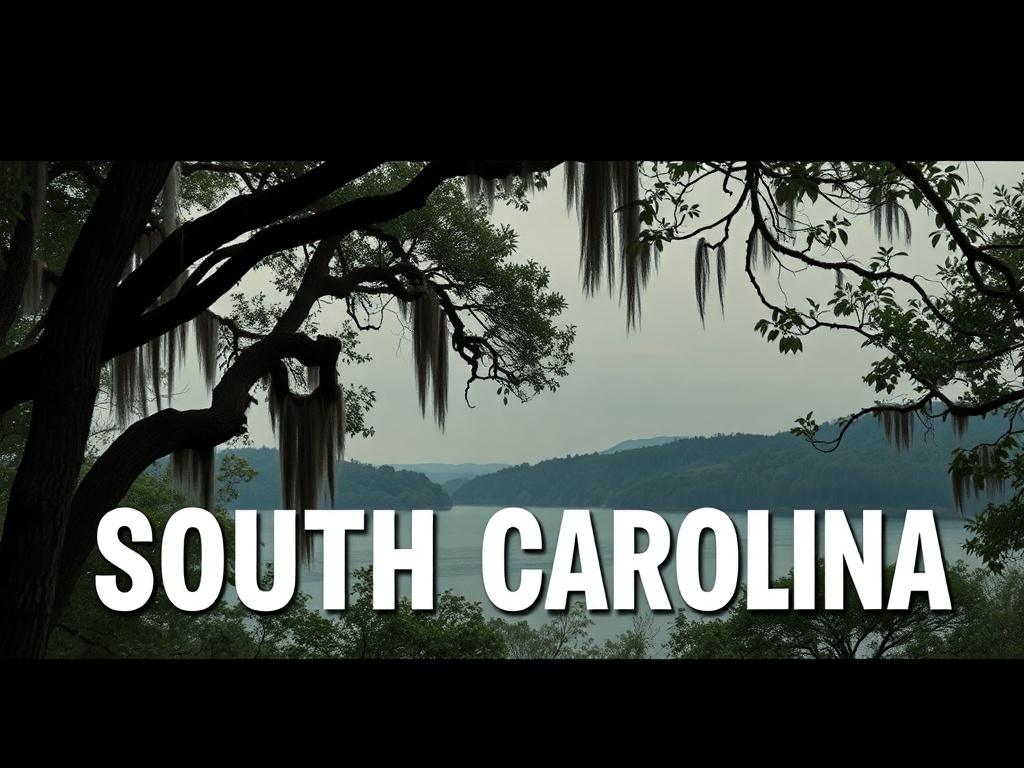
South Carolina’s Lowcountry blends salt-scented marshes, rich culture, and a booming food scene—making it a must-visit region for travelers and a focal point for coastal resilience efforts.
As coastal communities face stronger storms and rising tides, the Lowcountry offers a model of how tourism, conservation, and community action can coexist.
Why the Lowcountry matters
The coastal plain from Charleston to Hilton Head and the Sea Islands is ecologically vibrant and culturally distinct. Tidal creeks and salt marshes provide critical habitat for fish and birds, filter stormwater, and buffer inland areas from storm surge. The region is also home to Gullah Geechee communities whose traditions and language are integral to the area’s identity.
Preserving these natural and cultural assets supports wildlife, local economies, and a unique visitor experience.
Tourism that supports resilience
Sustainable travel is more than a trend—it’s a practical way to protect destinations visitors love. Choosing locally owned lodging, dining at farm-to-table restaurants, and booking tours with guides who emphasize conservation helps keep tourism revenue within communities. Many local operators now promote low-impact activities—kayak eco-tours, birding trips, and guided marsh walks—that educate visitors about ecosystems and respectful behavior.
Practical ways visitors and residents can help
– Respect dune and marsh vegetation: Walk only on designated paths and boardwalks to avoid eroding dunes and trampling fragile plants.
– Support living shorelines: Favor projects and properties that use oyster reefs, marsh planting, and other natural techniques to reduce erosion instead of hard seawalls.
– Reduce plastic and single-use waste: Bring reusable water bottles and bags; avoid disposable utensils when possible.
– Volunteer locally: Participate in beach cleanups, oyster shell recycling, or native plantings—many coastal towns host regular events.
– Choose sustainable seafood: Look for locally harvested, responsibly managed options and ask restaurants about sourcing.
Food and culture: heart of the Lowcountry
The region’s culinary scene is a major draw—think shrimp and grits, Lowcountry boil, she-crab soup, and fresh catches from local waters. Farmers’ markets and small fisheries connect diners to seasonal, regional flavors. Cultural tours and museums offer deeper context on plantation history, maritime trade, and Gullah Geechee heritage; prioritizing community-led programs ensures that storytelling is accurate and benefits residents.
Where to explore for nature and history
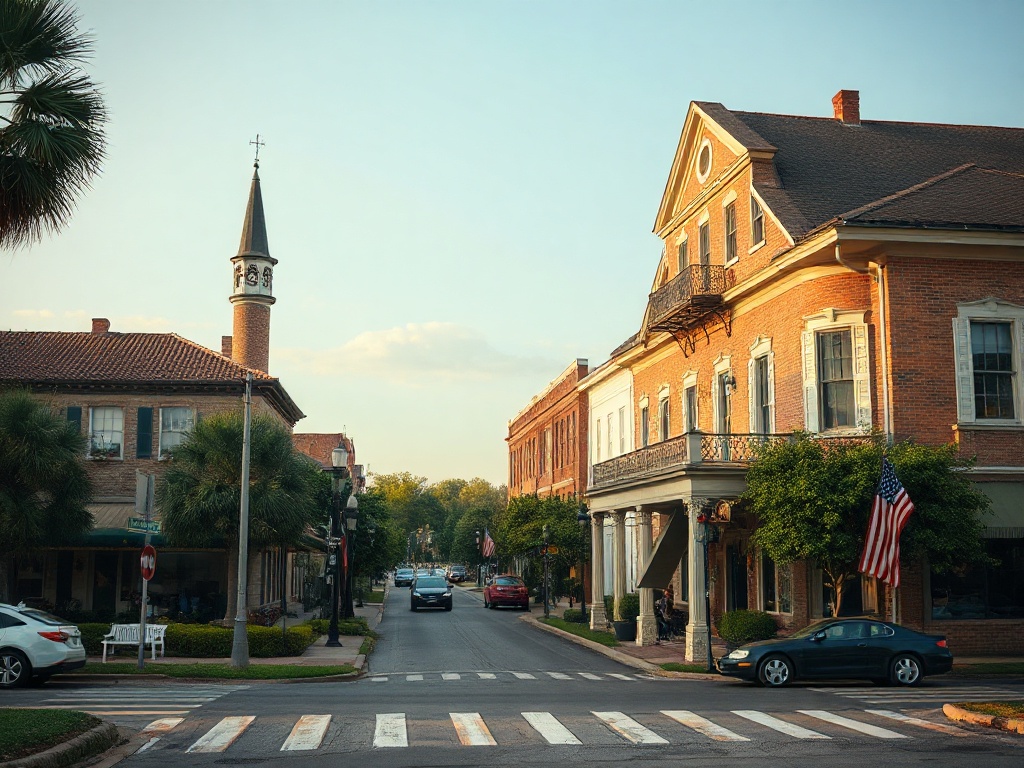
Historic cities like Charleston provide architecture, museums, and waterfront promenades. Barrier islands such as Edisto and Fripp offer quieter beaches and nature preserves ideal for birding and paddling. Beaufort’s waterfront and Sea Island traditions highlight coastal Southern life, while inland state parks showcase the region’s biodiversity and hiking opportunities.
Staying safe and informed

Storms and coastal flooding are part of coastal living; staying aware of local advisories, tide charts, and evacuation routes is essential. Many municipalities maintain real-time beach and water-quality alerts—check official town or county sites before planning activities.
A lasting legacy
Protecting the Lowcountry requires ongoing collaboration among local governments, nonprofits, businesses, and visitors. By choosing responsible travel options, supporting conservation initiatives, and learning about local culture, everyone can help ensure these marshes, beaches, and communities thrive for generations of residents and travelers to come.