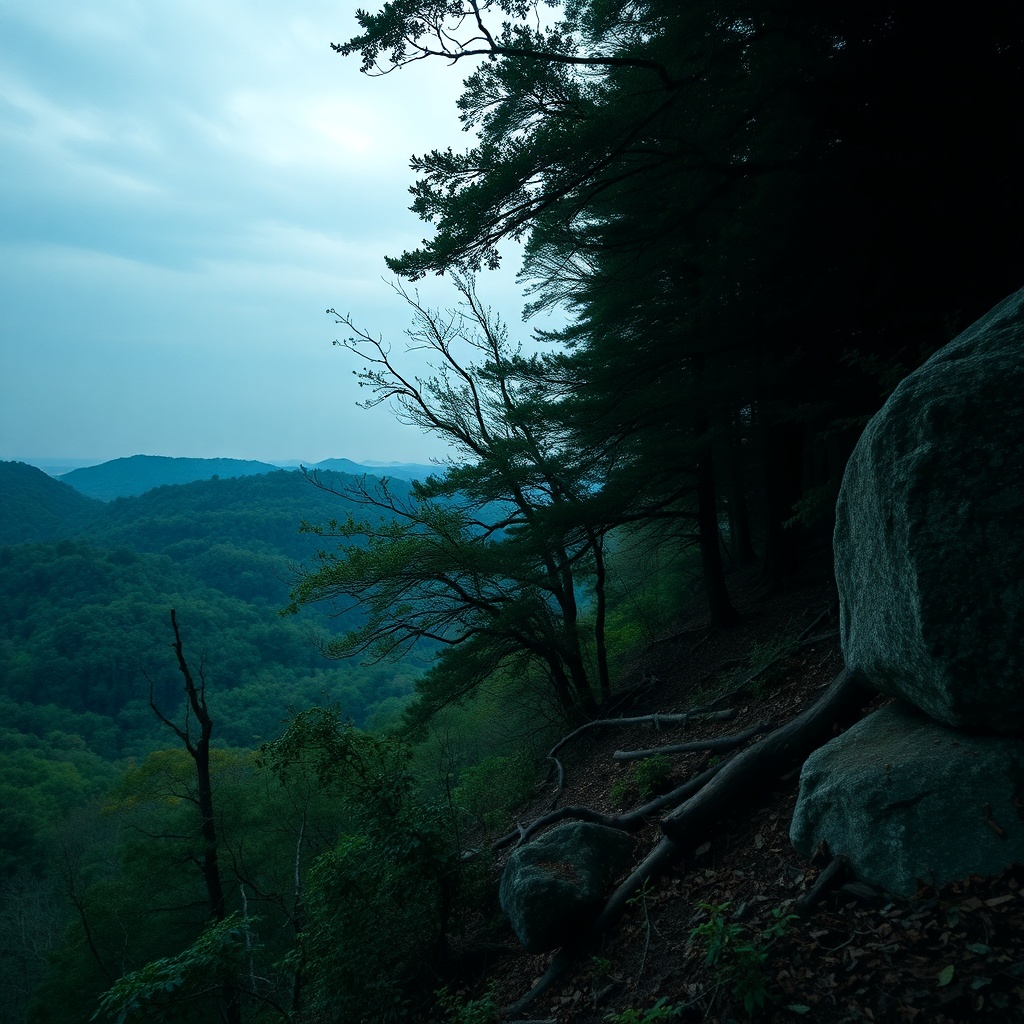
Mountains to Coast: Why North Carolina Is a Must for Outdoor Lovers
North Carolina offers a rare combination: high-elevation trails, dramatic waterfalls, and wide Atlantic beaches all within a few hours’ drive.

Whether you crave peak panoramas, gentle paddling, or salt-air afternoons, this state serves outdoor experiences that suit every pace and skill level.
Where the mountains shine
The western region is defined by the Blue Ridge and Appalachian ranges, with scenic parkways, mixed hardwood forests, and a network of trails that reward hikers with sweeping overlooks. Expect crisp air and layered microclimates at higher elevations, so pack a light insulating layer even on mild days. Waterfall chases and wildflower blooms are popular here; for quieter outings, explore lesser-known trail loops and forest roads in national forests that sit off the main corridors.
Rivers, paddling, and waterfalls
Rivers like the French Broad and the Nantahala provide strong options for whitewater rafting and kayak touring. Flatwater paddles on tidal estuaries and oxbow lakes showcase birdlife and offer gentle ways to connect with nature. If fishing is on the agenda, species include trout in mountain streams and striped bass along coastal rivers—local guides can point you to current regulations and ideal access points.
Coastal escapes and barrier islands
The Outer Banks and other barrier islands deliver wide beaches, historic lighthouses, and world-class surf breaks. Barrier islands are dynamic habitats—expect shifting sand, tidal inlets, and abundant wildlife. For a different rhythm, explore coastal maritime forests and coastal soundside communities where kayaking, kiteboarding, and shelling are daily pursuits. Respect protected nesting areas and local rules for driving on beaches.
Wildlife watching and conservation
From migratory birds in coastal refuges to black bears and salamanders in the mountains, North Carolina supports diverse ecosystems. Coastal birding hotspots host seasonal migrations; whale sightings from shore and boat-based cruises draw enthusiasts during migration windows.
Many local conservation groups and parks offer guided walks that help visitors learn about habitat restoration and responsible recreation.
Food and local culture after the trail
Outdoor days are best paired with local food scenes. Brewpubs and farm-to-table restaurants highlight regional ingredients: mountain cheeses, hearty barbecue styles, fresh seafood, and seasonal produce. Small towns often feature craft makers, farmers’ markets, and festivals that celebrate local heritage—perfect stops to refuel and connect with community life.
Practical tips for planning
– Check current trail and park conditions before you go; storm impacts and seasonal closures can change access quickly.
– Pack layers for elevation changes, sturdy footwear for mixed terrain, and reef-safe sunscreen for coastal visits.
– Leave No Trace practices preserve trails and beaches—pack out trash, keep dogs leashed where required, and avoid disturbing wildlife.
– Consider weekday or shoulder-season trips to avoid crowds at popular overlooks and beaches.
– Local outfitters provide guided trips and gear rentals, a smart option for unfamiliar waterways or technical routes.
Why it works for everyone
The geographic variety means families, weekend warriors, and serious adventurers can all find suitable itineraries within reasonable driving distances.
For those seeking a nature-rich escape with cultural flavor, North Carolina’s blend of mountains, rivers, and ocean makes it easy to design multi-stop trips that feel both restorative and adventurous.
Ready to plan your next outing? Start by pinpointing the experiences you want—hiking, paddling, beach time—and map a route that connects a few complementary stops to make the most of each drive through the state’s changing landscapes.