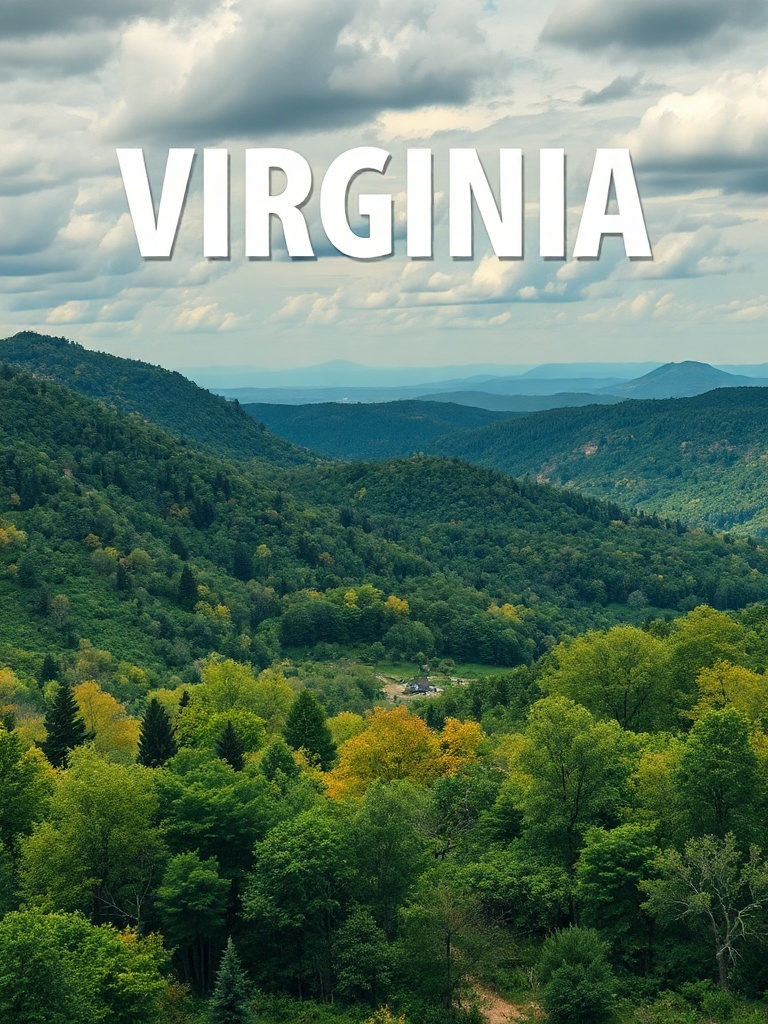
Virginia blends sweeping mountain vistas, tidal waterways, and living history into one of the most varied travel experiences on the East Coast.
Whether you’re chasing fall foliage along a scenic drive, paddling quiet creeks, or sipping a local wine after a day of hiking, the state delivers outdoor adventure, culinary discovery, and deep-rooted culture.

Why Virginia stands out
– Diverse landscapes: From the ridgeline views along the Blue Ridge and the Appalachian Trail to the marshes and barrier islands of the Eastern Shore and Chesapeake Bay, Virginia packs a range of ecosystems within easy reach.
– Rich history and culture: Historic towns, plantation homes, and preserved battlefields coexist alongside vibrant college towns and growing arts scenes, giving visitors a sense of layered stories and contemporary creativity.
– Food and drink scene: Seafood straight from the Bay, farm-to-table restaurants, award-winning wineries in Monticello and Northern Virginia, and a booming craft beer trail make Virginia a serious destination for food lovers.
Top experiences not to miss
– Skyline Drive and the Blue Ridge Parkway: For panoramic views and access to dozens of trailheads, this iconic corridor is a must. Scenic overlooks, short hikes to waterfalls, and picnic areas make it easy to tailor a day trip or longer getaway.
– Shenandoah National Park and the Appalachian Trail: Hike sections of the famous trail, tackle summit views, or enjoy gentle valley walks.
Backcountry and front-country options accommodate novice hikers and seasoned backpackers alike.
– Chesapeake Bay and coastal adventures: Kayak tidal creeks, fish for striped bass, or dine on oysters at waterfront shacks.
The Eastern Shore’s quiet beaches and wildlife refuges are ideal for birdwatching and stargazing.
– Virginia Beach and Hampton Roads: Surf and sun meet maritime history and modern dining.
The coastal city blends boardwalk culture with naval heritage and lively arts festivals.
– Wineries, breweries, and farm tours: Rolling vineyard estates and small-batch breweries populate the Piedmont and Northern regions. Many offer tasting rooms, outdoor seating, and tours that highlight sustainable practices.
– Heritage trails: Explore Colonial-era streets, Monticello’s architecture and gardens, and interpretive Civil War sites.
African American history and Indigenous sites are increasingly featured in museums and walking tours.
Practical tips for a better trip
– Timing: Spring and fall reward with milder temperatures and vibrant colors, while summer opens up beaches and water activities. Weekdays and shoulder seasons mean smaller crowds at popular sites.
– Reservations and permits: Popular parks, campsites, and wineries can fill up. Check official park and venue sites for reservation rules, permit requirements, and seasonal closures before you go.
– Pack for variety: Layered clothing, waterproof shoes for trail hikes, and insect repellent for marshlands will keep you comfortable across different microclimates.
– Responsible travel: Respect wildlife and private land, follow Leave No Trace principles, and support local businesses—farm markets and family-run inns make a big impact on rural economies.
Plan with curiosity
Virginia invites repeat visits. Tackle a single region or build a multi-stop itinerary that mixes mountains, coast, and historic towns. Whether you’re seeking solitude in the backcountry or a culinary weekend with vineyard views, thoughtful planning makes the experience richer and more sustainable.
Explore driving routes, book key experiences in advance, and leave room for spontaneous detours—some of the best memories come from unexpected stops along the road.