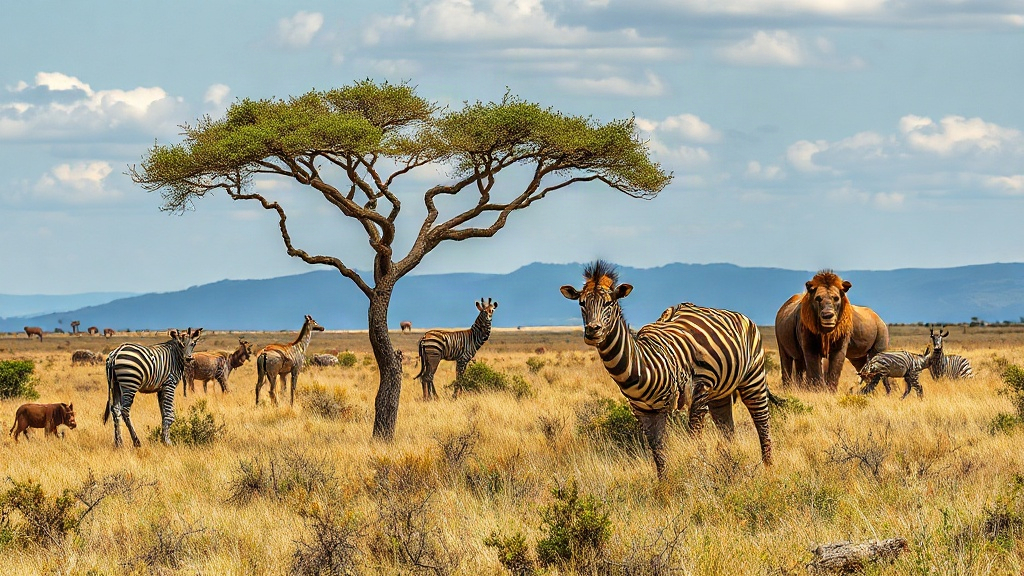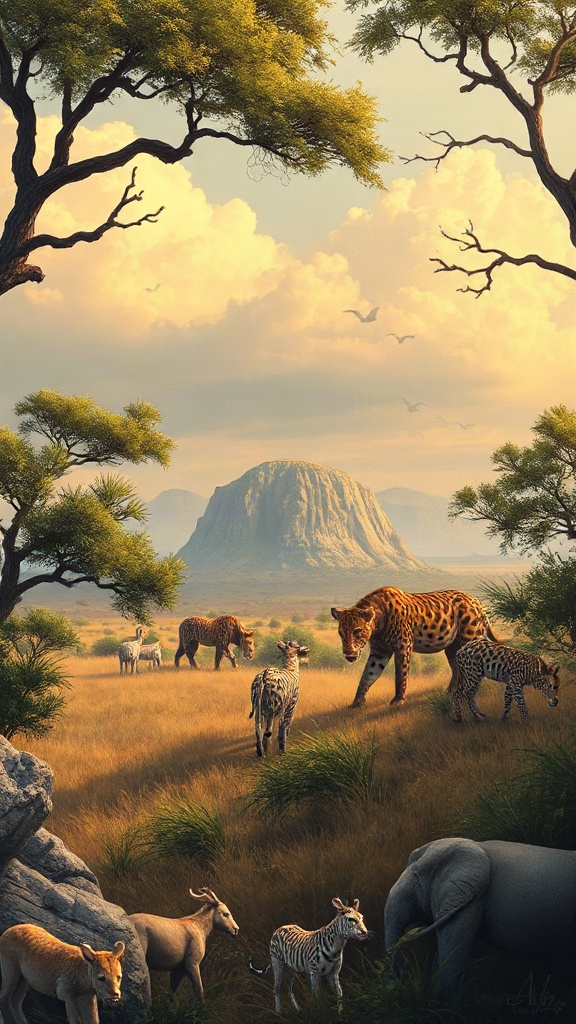
Savannahs are among the planet’s most dynamic and valuable ecosystems. Stretching from open grasslands dotted with acacia trees to mosaics of seasonally flooded plains, these landscapes support a striking diversity of life and deliver critical services for people and wildlife alike.
Why savannahs matter
Savannahs host a wide array of species adapted to alternating wet and dry seasons.
Large herbivores shape plant communities through grazing and movement, while predators keep populations balanced. Beneath the visible life, soil processes and deep root systems store carbon and help regulate water flow.
For many rural communities, savannahs supply grazing, wild foods, medicinal plants, and cultural identity.

Key ecological processes
– Fire: Low-intensity, seasonal fires are a natural reset.
They reduce woody encroachment, return nutrients to the soil, and promote fire-adapted grasses and flora. Fire management that mimics natural pulses maintains habitat diversity.
– Grazing: Herbivores — wild and domestic — create varied vegetation structure. Rotational grazing and wildlife corridors help preserve habitat heterogeneity and reduce overgrazing.
– Hydrology: Seasonal flooding and dry spells shape plant composition and nutrient cycles. Protecting wetlands and maintaining natural flood regimes supports both biodiversity and human water needs.
Pressures and threats
Savannahs face conversion to cropland, plantation forestry, and urban expansion.
Altered fire regimes, invasive species, and unsustainable grazing can fragment habitat and reduce resilience. Climate variability intensifies stress on water availability and food resources, making integrated management essential.
Conservation approaches that work
– Community-based management: When local communities lead land-use decisions, conservation and livelihoods often improve together.
Shared grazing plans, benefit-sharing from tourism, and locally governed protected areas build long-term stewardship.
– Integrated fire management: Combining traditional burning knowledge with scientific planning reduces catastrophic wildfires and sustains grassland diversity.
– Sustainable grazing practices: Rotational systems, controlled stocking rates, and mixed-use landscapes that include wildlife corridors help balance production and biodiversity.
– Restoration and rewilding: Active restoration of degraded areas, reintroduction of key herbivores, and invasive species control can rebuild ecosystem function.
Savannahs and climate resilience
Healthy savannahs act as buffers against extreme weather. Their vegetation stabilizes soils and sequesters carbon, while intact floodplains reduce downstream flooding risks. Restoring degraded savannahs is both a biodiversity priority and a practical climate adaptation strategy.
Responsible ecotourism and visitor tips
Ecotourism can finance conservation when guided by strong local partnerships and low-impact practices. Responsible visitors should:
– Choose operators that work with local communities and contribute to conservation.
– Stay on designated paths and respect wildlife distances.
– Support local guides, markets, and community-run lodges.
– Avoid single-use plastics and minimize campfire impacts.
What readers can do
– Support organizations that partner with frontline communities.
– Learn about local traditional ecological knowledge and promote policies that integrate it.
– Advocate for sustainable supply chains that reduce pressure on savannah lands, such as responsible sourcing of beef and timber.
– When visiting, prioritize operators with clear conservation commitments.
Savannahs are landscapes of balance — shaped by fire, grazing, water, and people. Protecting them requires blending traditional knowledge, science-based management, and economic incentives that keep communities at the center of solutions.
Preserving these open, life-rich places benefits biodiversity, climate resilience, and human well-being.