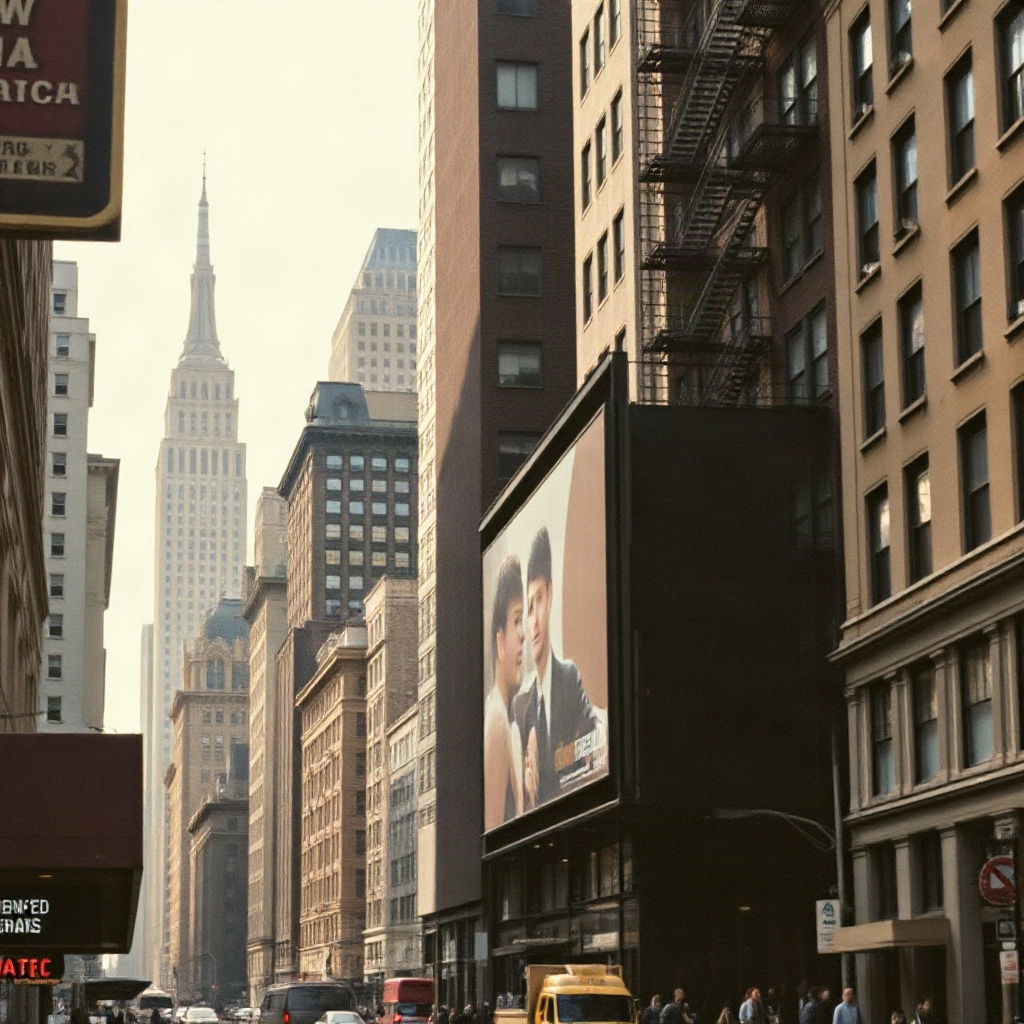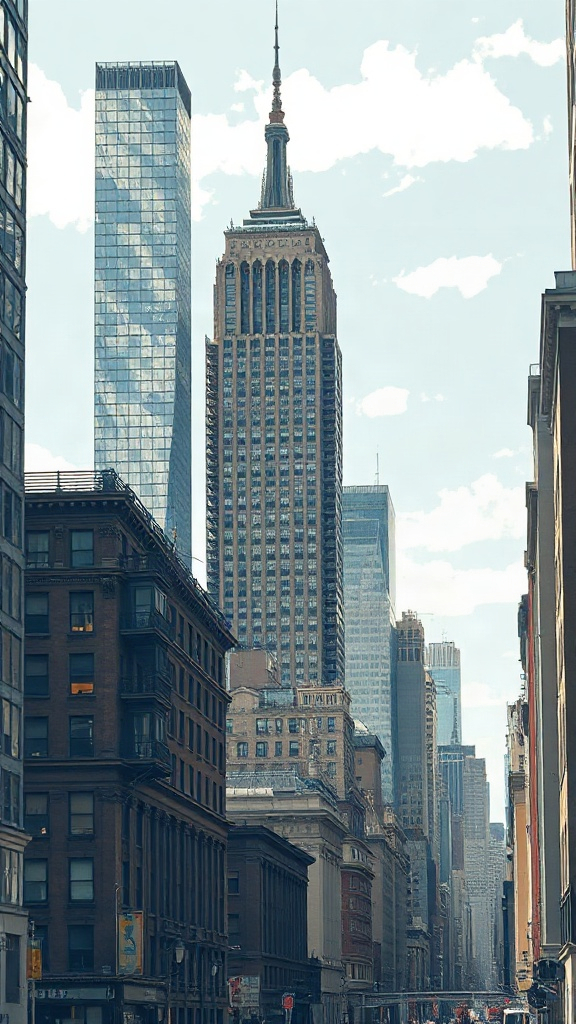
New York’s skyline is built for resilience. As coastal storms and hotter summers become more common, the city’s neighborhoods, infrastructure, and communities are adapting with a mix of engineering, nature-based solutions, and everyday preparedness. For residents, businesses, and visitors, knowing how the city is changing—and how to prepare—makes urban life safer and more livable.
What resilience looks like across the city
– Coastal defenses: Seawalls, flood barriers, and raised promenades are becoming part of the waterfront vocabulary.
These structures are paired with flexible solutions—temporary floodwalls and deployable gates—to protect low-lying districts while preserving public access to waterways.
– Green infrastructure: Bioswales, rain gardens, permeable paving, and expanded tree canopy reduce runoff, absorb stormwater, and cool streets.
These measures not only lower flood risk but also improve air quality and urban comfort during heat waves.
– Building-level upgrades: Property owners are elevating critical systems (electrical panels, boilers), installing backflow preventers, and designing ground floors to withstand minor inundation.
New construction often includes rooftop gardens, reflective roofing, and energy-efficient systems.
– Distributed energy and microgrids: Backup power hubs, paired with solar and battery systems, support hospitals, shelters, and essential services during outages.
Microgrids help neighborhoods maintain power when the broader grid is strained.
– Social resilience: Cooling centers, emergency shelters, and neighborhood preparedness networks make a big difference for vulnerable populations. Local organizations often provide language-accessible outreach, supplies, and re-entry support after an event.
Practical steps for residents and small businesses
– Know your risk: Check local flood maps and sign up for emergency alerts. Understanding evacuation zones and transit impacts helps avoid dangerous situations.
– Protect utilities and valuables: Move electrical panels, meters, and heating equipment above expected flood levels where possible. Store important documents and irreplaceables in waterproof containers or cloud backups.

– Invest in flood insurance: Standard home insurance typically excludes flood damage. Evaluate flood insurance options to cover repair costs and temporary relocation.
– Prepare for heat: Install blackout curtains, use reflective window films, and create cross-ventilation paths. Planting trees and adding shade structures can reduce cooling costs and improve comfort.
– Emergency kit essentials: Portable chargers, a flashlight, a battery-powered radio, prescription medicines, water, and a multi-day supply of nonperishable food are basic must-haves. Consider a list of family meeting points and out-of-area contacts.
– Support local solutions: Participate in community resilience planning, tree-planting drives, and neighborhood preparedness groups. Small actions—like adopting a storm drain or volunteering at cooling centers—multiply community resilience.
Opportunities for businesses and developers
Commercial properties can reduce operational disruption by elevating critical equipment, implementing floodproofing strategies, and designing flexible ground-floor spaces. Investments in resilient design increase long-term value and can qualify projects for incentives tied to sustainability and risk reduction.
Why community involvement matters
Infrastructure projects and policy changes work best when informed by local knowledge.
Residents who attend community board meetings, engage with elected officials, and collaborate with local nonprofits help shape solutions that protect people, preserve neighborhood character, and expand equitable access to resources.
Staying informed and prepared keeps New York vibrant and adaptive. Whether living near the waterfront or on higher ground, practical preparedness, community engagement, and thoughtful design help ensure the city remains a place of opportunity and resilience for everyone.