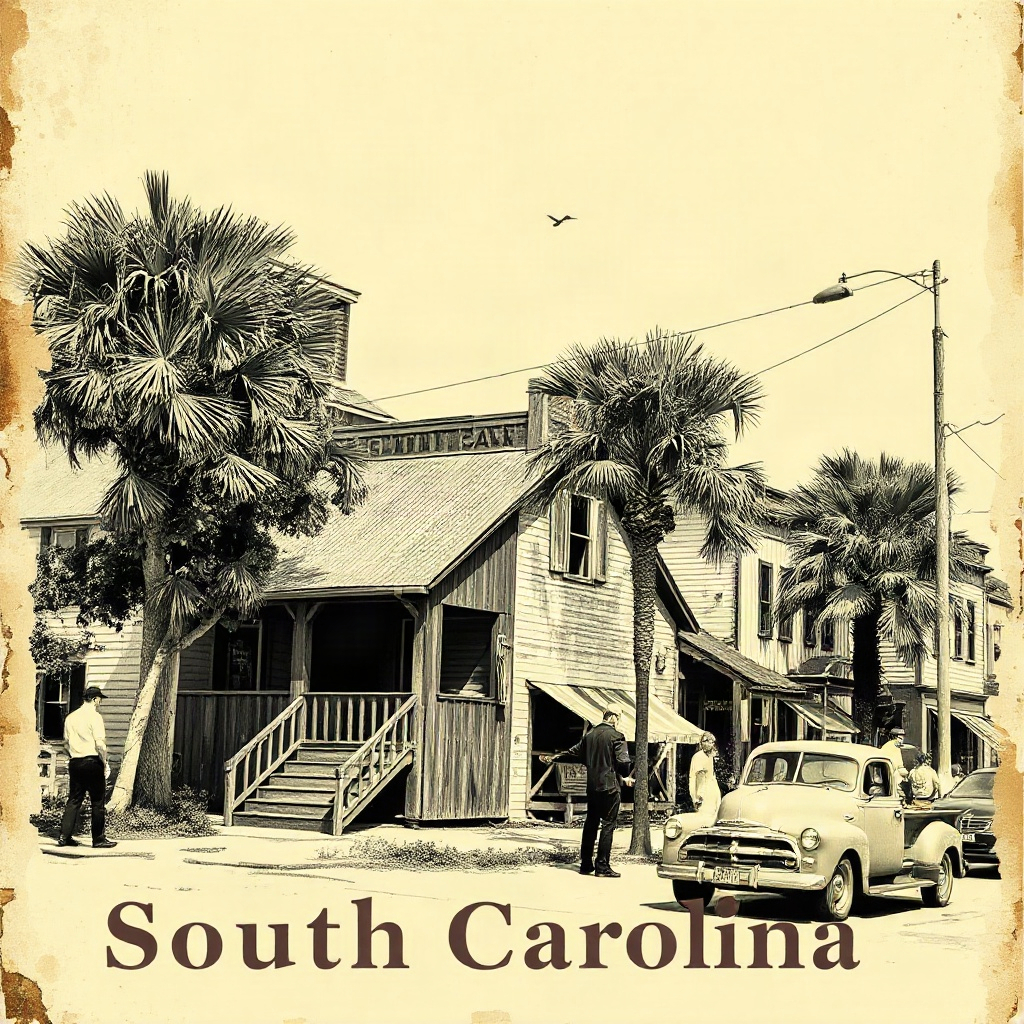
South Carolina’s coastline blends Southern charm, rich history, and wide-open natural spaces, making it a top spot for travelers and residents who love food, outdoors, and culture. From sleepy barrier islands to lively beach towns, the Lowcountry offers a variety of experiences that appeal to every kind of visitor.
Why people come: coastal towns and historic cities
Charleston’s cobblestone streets, historic architecture, and bustling culinary scene anchor the coast’s appeal.
Beyond the historic district, smaller towns like Beaufort and Georgetown serve slow-paced history and waterfront serenity. Barrier islands such as Kiawah, Edisto, and Hilton Head provide quiet beaches, unique ecosystems, and upscale resorts without sacrificing natural beauty. For families and game-day crowds, Myrtle Beach mixes broad sandy shores with boardwalk attractions and golf resorts.
Lowcountry cuisine: what to try
Food is a major draw. Lowcountry cuisine highlights fresh seafood—shrimp and grits, she-crab soup, oysters on the half shell—and distinct barbecue styles that often use mustard-based sauces.
Look for locally sourced menus at seafood shacks and farm-to-table restaurants alike. Farmers markets and roadside stands are great ways to sample seasonal produce and regionally made condiments.
Outdoor adventures and wildlife
The coastline is an outdoor playground. Kayaking through tidal creeks and salt marshes gives close-up views of wading birds, dolphins, and marsh life. Fishing—both inshore and deep-sea—remains popular, as do shelling walks on remote beaches and birdwatching in migratory seasons. Sea turtle nesting on quieter islands is a highlight; look for guided tours that emphasize conservation and minimal disturbance.
Cultural roots and learning opportunities
Gullah Geechee culture, rooted in West African traditions, is an integral part of the Lowcountry’s heritage. Museums, cultural centers, and community-led tours offer respectful ways to learn about Gullah language, crafts, and history. Plantation sites along the coast present complex stories about agriculture, labor, and lives shaped by the region’s coastal environment—choose tours that provide thoughtful context.
Practical travel tips
– Expect crowds and higher prices on peak holiday weekends; booking accommodations and popular tours well ahead helps secure the best options.

– Be mindful of tides and local regulations when exploring beaches and marshes; some islands limit vehicle access or require permits.
– Protect yourself from sun and insects—light, sun-protective clothing and reef-safe sunscreen are essential.
– If visiting during storm-prone months, check weather updates and pack flexible plans.
– Support conservation by choosing responsible tour operators and leaving natural sites as you found them.
Sustainable and responsible choices
Sustainable travel is increasingly easy along the coast.
Many local businesses participate in seafood sustainability programs and plastic-reduction efforts. Consider guided eco-tours, stay at lodging that supports conservation, and practice leave-no-trace principles to keep beaches and marshes healthy for wildlife and future visitors.
Whether you’re chasing culinary discoveries, bird migrations, championship golf, or quiet salt-air walks, South Carolina’s coast has layers to explore. Plan with respect for local communities and ecosystems, and you’ll find a coastal experience that’s both memorable and responsible.