North Carolina Outdoors: A Practical Guide to Parks, Small Towns, and Local Flavor
North Carolina blends dramatic mountains, wide beaches, and lively small towns into one of the most diverse outdoor playgrounds on the East Coast.
Whether planning a weekend escape or a longer road trip, these practical tips help you make the most of the state’s trails, waterways, and culinary scene.
Where to go: mountains, coast, and everything between

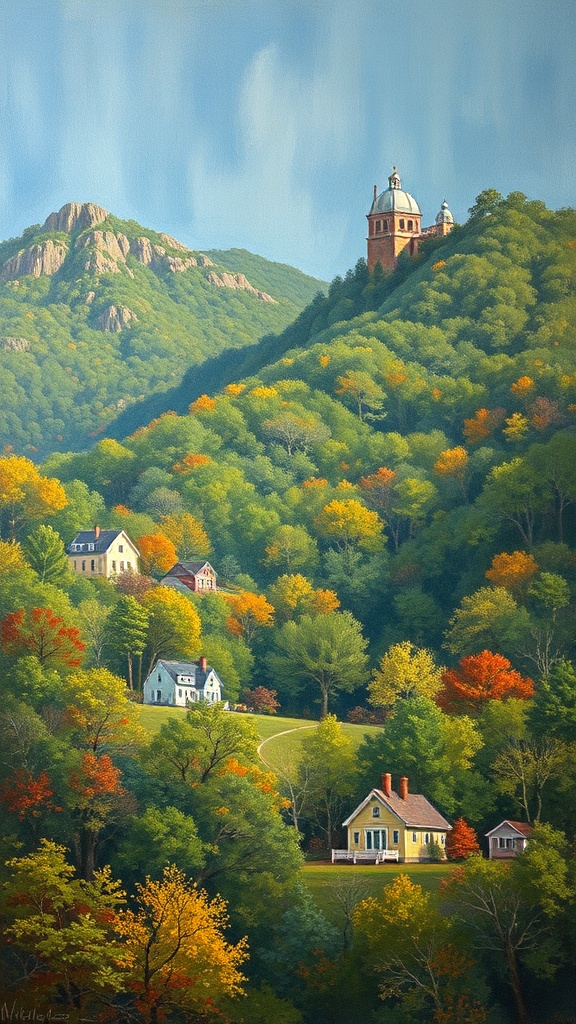
– Mountains: The Blue Ridge Parkway and surrounding state and national forests offer endless hiking, scenic overlooks, and waterfalls.
Trails range from short, family-friendly walks to challenging ridge climbs.
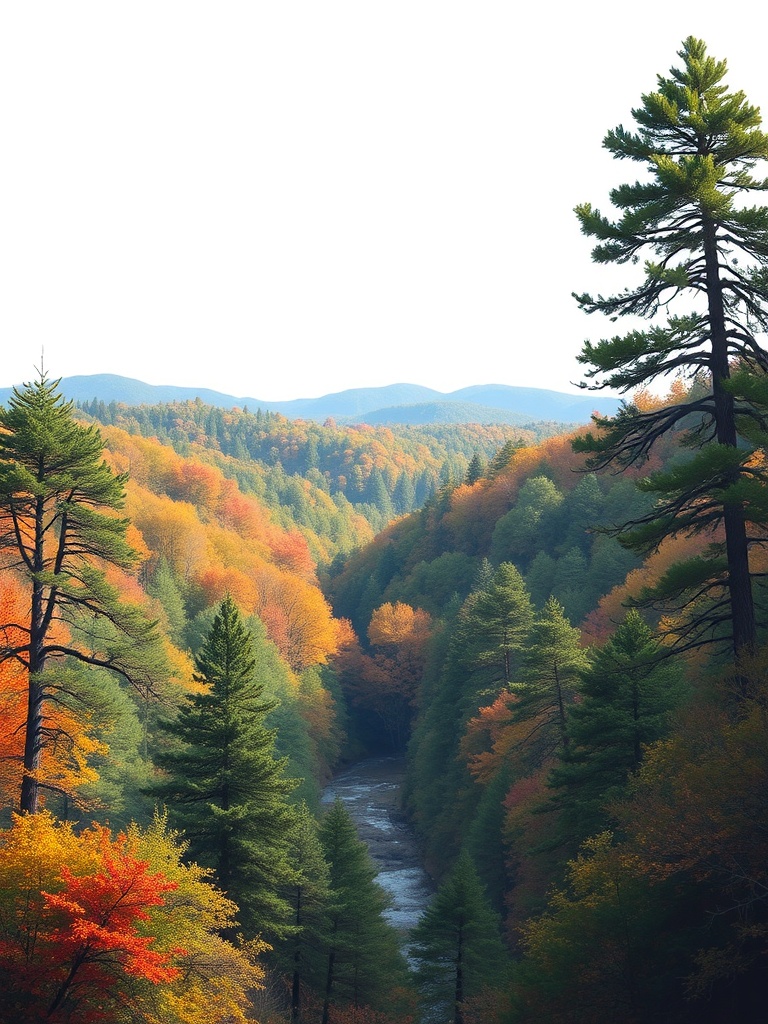
High-elevation overlooks reward hikers with expansive views and colorful foliage during peak leaf change.
– Coast: The Outer Banks and Crystal Coast feature barrier islands, historic lighthouses, and wild beaches. Killers of time include dune walks, birding, and exploring maritime forests. For a different pace, try kayaking in protected estuaries or watching wild horses on northern barrier islands.
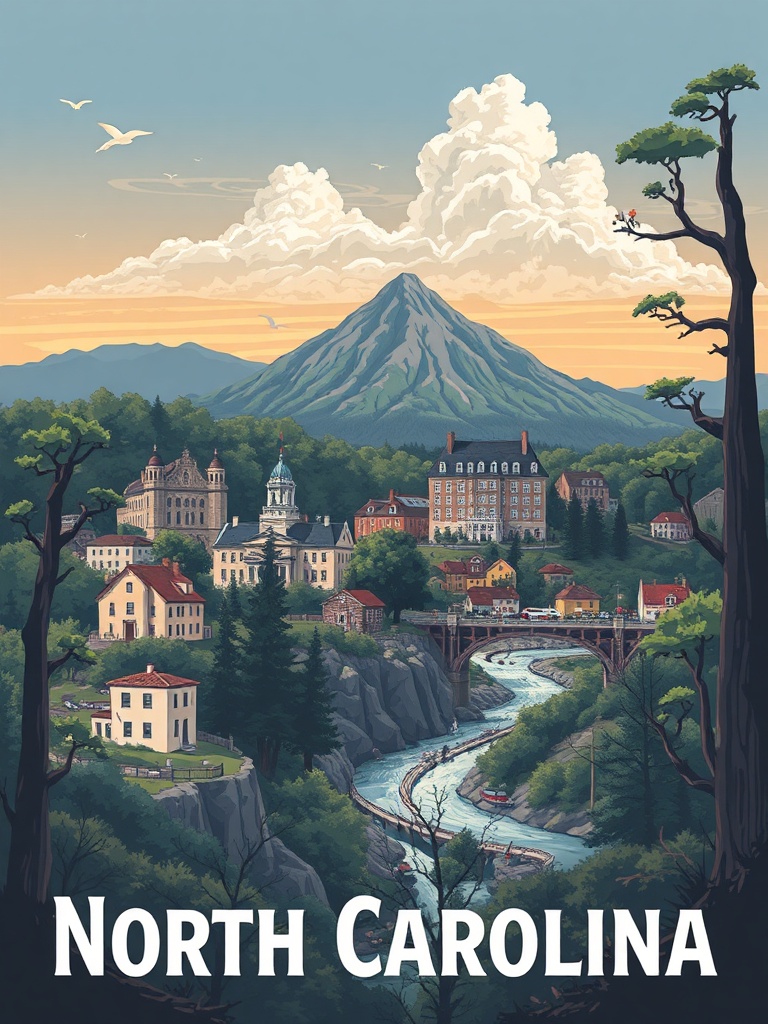
– Piedmont and small towns: Charming towns like historic mill villages and riverfront communities deliver craft breweries, farm-to-table restaurants, and art districts. These towns make excellent bases for day trips to nearby trails and parks.
Top activities and what to expect
– Hiking and waterfall chasing: Pack layers, good footwear, and a lightweight first-aid kit.
Many waterfalls are accessible via short hikes, but some popular spots can be crowded on weekends—arrive early or visit midweek for a quieter experience.
– Surfing and paddling: Coastal conditions change quickly. Check tide charts and local surf reports before heading out. Guided surf lessons and eco-kayak tours are widely available if you prefer experienced support.
– Scenic driving and photography: The Blue Ridge Parkway offers some of the state’s most iconic drives. Pull over only in designated overlooks and avoid stopping in traffic lanes for photos.
– Food and drink: From farm stands to renowned breweries and Southern comfort kitchens, local food scenes emphasize seasonal produce and coastal seafood.
Try regional specialties like Carolina-style barbecue and fresh oysters.
Practical tips for safer, greener trips
– Plan ahead: Check park alerts and local visitor centers for trail closures, road conditions, and permit requirements. Many popular parks require reservations for peak access.
– Respect wildlife and habitats: Use established trails, pack out trash, and observe wildlife from a distance. Bear sightings are possible in higher elevations—store food securely in designated lockers or vehicles.
– Tides and currents: On barrier islands and estuaries, be mindful of rip currents and incoming tides. Never turn your back to the ocean when walking near the surf.
– Support local communities: Choose locally owned lodgings, book tours with resident guides, and buy food from farmers’ markets. Responsible tourism helps preserve natural areas and supports year-round residents.
Why it matters
Exploring North Carolina’s outdoor spaces connects you with diverse landscapes and local culture. Thoughtful planning and respectful travel habits preserve these places for future visitors and sustain the small towns that welcome travelers.
Ready to plan your trip? Start by picking a region—mountain, coast, or a scenic small town—and build an itinerary that balances activity, rest, and local dining. With some preparation, any visit can feel like a meaningful, low-impact escape into the state’s natural and cultural richness.