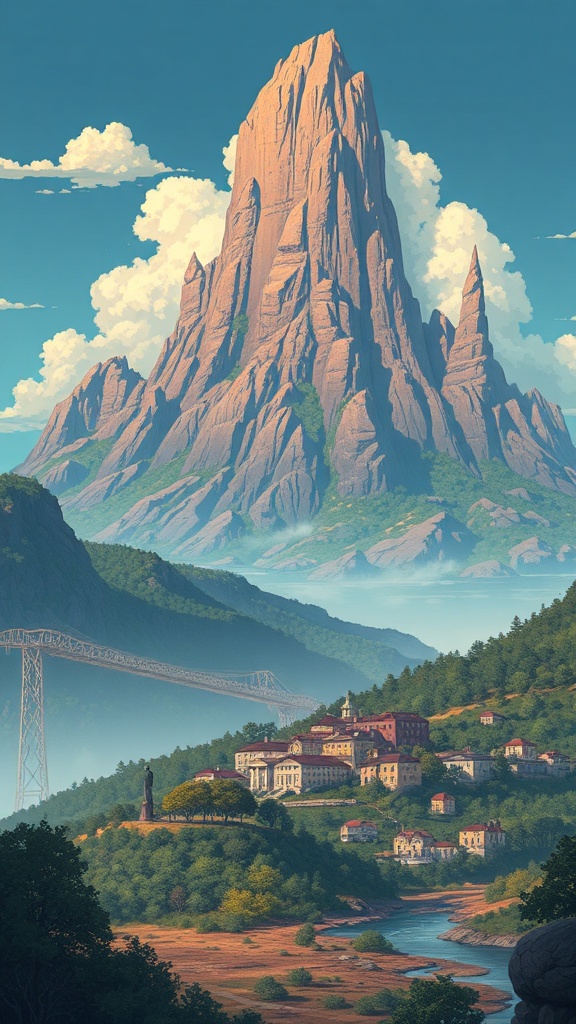
From rugged ridgelines to windswept barrier islands, North Carolina packs a rich range of outdoor experiences into a compact, easy-to-reach state. Whether you’re chasing mountain waterfalls, paddling quiet estuaries, or driving one of the country’s most scenic byways, the state offers adventures for every pace and interest.
Mountains: Blue Ridge & Great Smoky adventures
The western region is defined by the Blue Ridge and Great Smoky Mountains, where panoramic overlooks, cascading waterfalls, and high-elevation trails dominate the landscape.
Hikers can tackle iconic corridors along the Blue Ridge Parkway, explore backcountry routes in Pisgah and Nantahala national forests, or take family-friendly walks to accessible falls like Looking Glass and Sliding Rock.
For peak views, the highest summit east of the Mississippi rewards visitors with sweeping vistas and cooler air — a perfect counterpoint to coastal humidity.
Piedmont: lakes, trails, and urban greenways
The central Piedmont blends small-city culture with outdoor convenience.
Extensive greenway networks connect neighborhoods to riverfront parks, while larger lake systems support boating, fishing, and shoreline camping. Trail runners and mountain bikers will find well-maintained singletrack in dedicated forest parks and state recreation areas.
The region’s accessibility makes it ideal for day trips or quick weekend escapes without a long drive.
Coast: barrier islands, surf, and wildlife
North Carolina’s coastline is a study in contrasts, from the broad beaches and surf breaks of the Outer Banks to sheltered estuaries and salt marshes inland. Barrier islands like those on the Outer Banks and Cape Lookout offer world-class kiteboarding, surf fishing, and extended beachcombing. Guided kayak tours through tidal creeks are a great way to spot ospreys, herons, and seasonal shorebirds. For history buffs, coastal lighthouses and aviation memorials add cultural depth to any seaside itinerary.
State and national parks worth a stop
The state park system and national lands provide reliable access and amenities.
State parks showcase waterfalls, rock formations, and interpretive trails, while national forests offer multi-use recreation, including OHV areas and dispersed camping. Popular parks tend to fill on busy weekends, so reserving campsites and planning routes ahead helps avoid disappointment.
Tips for a better trip
– Pack for variable conditions: elevations and coastal zones can have dramatically different weather on the same day.
– Follow leave-no-trace principles: pack out trash, stay on designated trails, and minimize campfire impacts.
– Check local alerts: trail closures and beach advisories can change with storms and seasonal wildlife protections.
– Respect wildlife and private property: many prime access points rely on community goodwill and stewardship.
– Choose sustainable options: stay in locally owned lodgings, hire regional guides, and support conservation-focused organizations.

Why it’s so appealing
Compact geography means you can go from mountain summits to sandy beaches in a single day if you’re ambitious, or settle into a focused region and discover deep local character. Local foodways — from mountain fare to coastal seafood — and a thriving craft beverage scene make post-adventure meals memorable. For anyone planning an active getaway, North Carolina’s mix of accessibility, variety, and outdoor infrastructure creates endless options for exploration and renewal.
Plan ahead, pick a region that suits your activity level, and embrace the state’s natural diversity — each visit opens up fresh trails, waterways, and coastal vistas to discover.