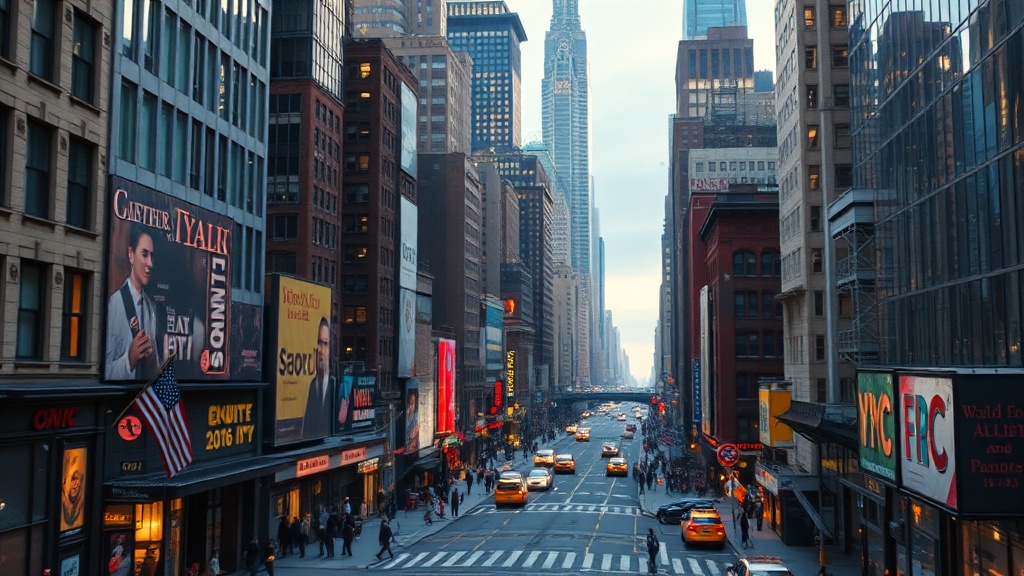
Beating the Heat in NYC: Practical Ways New Yorkers Stay Cool and Build Resilience
New York City’s dense streets and towering buildings make summer heat feel intense.
Urban heat island effects, coupled with more frequent hot spells, mean residents, workers, and visitors need practical strategies to stay comfortable and safe. Here’s a guide to what’s working across the city and simple steps anyone can use.
City-scale actions that make a difference
Municipal initiatives focus on cooling vulnerable neighborhoods and reducing heat absorption. Programs that install reflective coatings on rooftops, expand tree canopy, and convert asphalt into permeable, lighter-colored surfaces help lower ambient temperatures. Public cooling centers and libraries open their doors during extreme heat waves, while parks and waterfront green spaces provide natural shade and breezes. Building retrofits that improve insulation and upgrade HVAC systems also reduce indoor heat and energy costs for many households.
Neighborhood and building solutions
Smaller-scale interventions add up fast. Building owners are increasingly adopting cool roofs, green roofs, and rooftop gardens that reduce roof temperatures and help with stormwater.
Community groups turn vacant lots into pocket parks or shading corridors.

Simple measures inside apartments—like blackout curtains, window reflective film, and strategic cross-ventilation—can cut indoor temperatures significantly without heavy reliance on air conditioning.
Staying safe and comfortable day-to-day
– Hydration and timing: Drink water throughout the day and plan outdoor activities for early morning or evening when temperatures are lower.
– Shade and clothing: Seek shaded routes, wear breathable fabrics, and use wide-brimmed hats or umbrellas for portable shade.
– Smart cooling: Use fans to circulate air and create cross-breezes; consider a portable evaporative cooler where humidity is low. Maintain air conditioners so they run efficiently and check building rules about installations.
– Heat check for neighbors: Look out for older adults, young children, and people with medical conditions who are more heat-sensitive. Share information about nearby cooling centers or transportation options to get there.
Transportation and public spaces
Transit systems and major public spaces are adapting with more shade structures, misting stations at festival sites, and increased tree planting around bus stops and plazas. For those who bike or walk, planning routes through tree-lined streets and parks provides cooler, more pleasant commutes.
Community-led resilience
Neighborhood associations and volunteer groups play a key role in heat preparedness. Initiatives include distributing fans to those in need, coordinating hydration stations during events, and organizing tree-planting days. Participating in local groups or civic meetings helps push for targeted cooling investments in the parts of the city that need them most.
Practical prep for renters and homeowners
Preparedness pays off: insulate windows with shades or reflective film, install programmable thermostats if possible, and create a cooling plan for vulnerable household members. For renters, speak with building management about opportunities for common-area cooling and community resources for reduced-cost fans or utility assistance.
Heat is a citywide challenge, but a mix of policy, neighborhood action, and everyday choices can keep New Yorkers safer and more comfortable.
Embracing green infrastructure, sharing resources, and making small adjustments at home and on the street all add up to a cooler, more resilient city for everyone.