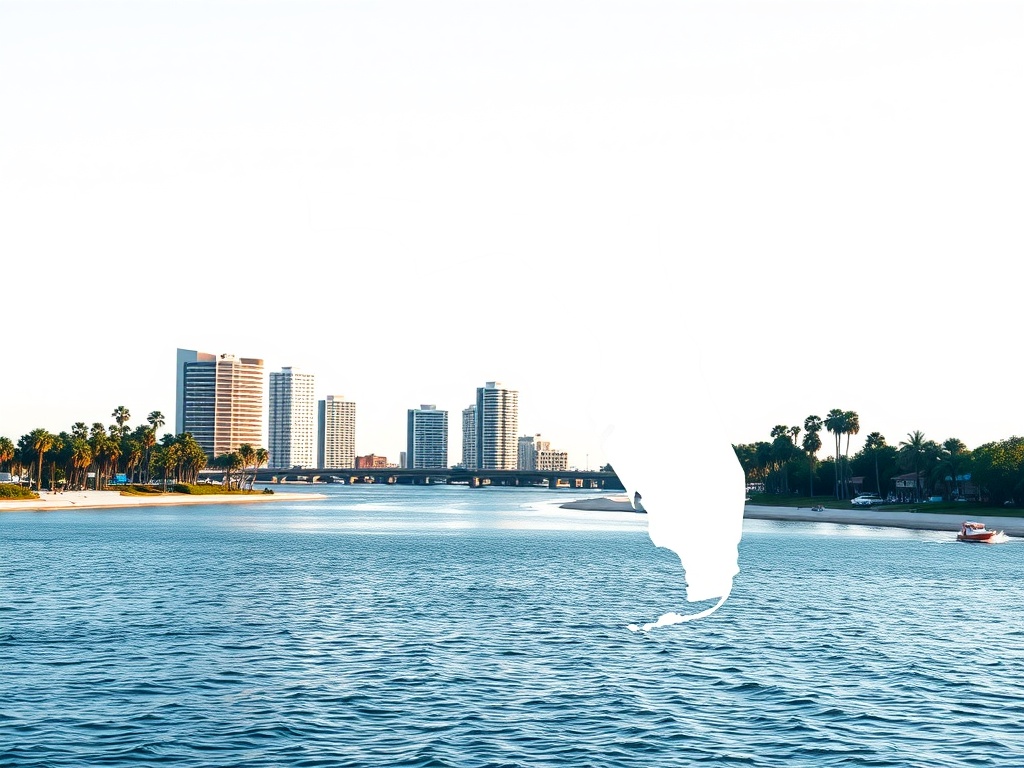
Florida’s coastline faces a shifting reality as rising seas and stronger storms reshape how communities, homeowners, and businesses plan for the future. Coastal flooding is no longer occasional—it’s a persistent challenge that affects property values, infrastructure costs, and everyday life across the state.
Understanding what’s happening and how to adapt can protect assets, reduce long-term expenses, and keep communities vibrant.
What’s driving change
Sea-level rise, higher tides, and more intense storms combine to increase flood frequency and severity along Florida’s shores. Saltwater intrusion threatens freshwater supplies and wetlands, while heavy rainfall paired with inadequate drainage produces urban flooding inland. These environmental pressures are prompting local governments, utilities, and private owners to rethink development patterns and upgrade infrastructure.
How communities are responding
Cities and counties are taking a range of approaches to build resilience. Strategies include elevating roads and critical infrastructure, installing flood pumps and stormwater storage, and adopting “living shoreline” solutions that use native vegetation to reduce erosion and improve habitat.
Updated building codes and zoning adjustments encourage construction that can better withstand flood and wind risks. Some coastal neighborhoods are exploring managed retreat where relocation is the most sustainable option for repeatedly impacted properties.

Homeowner and business actions that reduce risk
– Elevate utilities and mechanical systems above expected flood levels to reduce damage and repair costs.
– Retrofit buildings with flood-resistant materials and install backflow valves and flood vents.
– Create landscaping that improves drainage, like rain gardens and permeable paving, to reduce runoff and local flooding.
– Monitor insurance options carefully—flood coverage is separate from standard homeowners policies, and available programs and premiums are continuously evolving.
– Invest in emergency preparedness: have evacuation plans, assemble emergency kits, and know local storm shelter locations.
Economic and policy considerations
Insurance availability and cost are a major concern for property owners and markets. Insurers and regulators are increasingly factoring climate risk into premiums and underwriting, which can influence mortgage lending and real estate transactions.
At the same time, public funds and private capital are flowing into resilience projects—from seawalls and stormwater systems to ecosystem restoration—aimed at reducing long-term fiscal exposure and preserving tourism and commerce.
Nature-based solutions and restoration
Restoring coastal marshes, mangroves, and freshwater flow to wetlands can deliver multiple benefits: they buffer storm surge, absorb floodwater, support wildlife, and enhance water quality. Projects that combine engineered defenses with ecological restoration often provide cost-effective protection while supporting recreation and biodiversity—helpful for both communities and the tourism economy.
Practical steps for staying informed and prepared
Stay connected with local emergency management for evacuation routes and alerts. Review your property’s flood risk maps and consider a professional assessment for vulnerability and mitigation options. For businesses, update continuity plans and consider hardening critical systems to minimize downtime. Explore state and federal grant programs and local incentives that support resilience upgrades—many jurisdictions prioritize projects that reduce repeated disaster losses.
Adapting to a changing coastline is a long-term effort that combines smart planning, community engagement, and investments in both engineered and natural defenses. By acting proactively—whether upgrading a home, supporting local resilience projects, or making policy choices that prioritize durability—residents and leaders can reduce risk and preserve the things that make Florida special: its communities, economy, and natural landscapes.