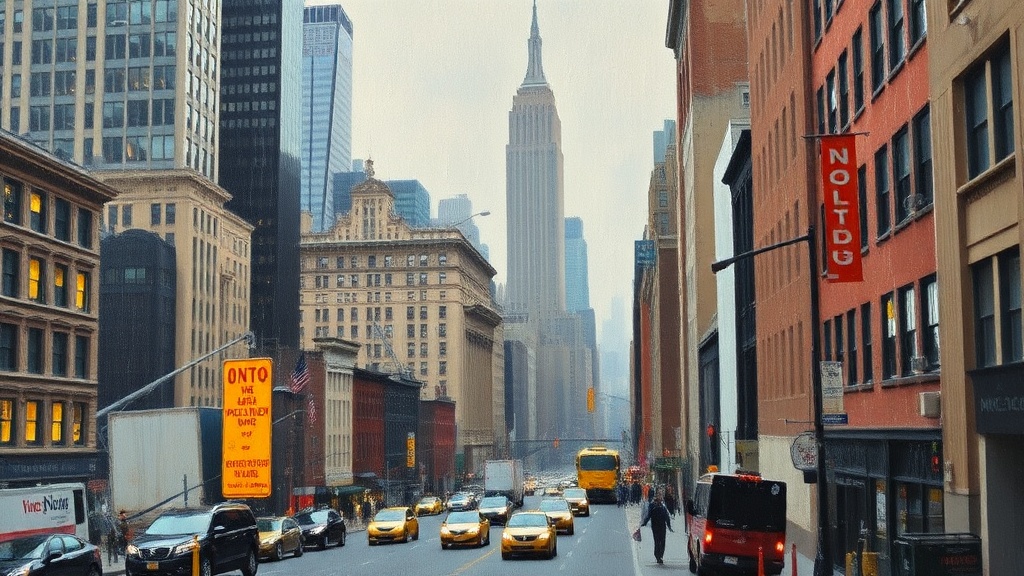
New York City is changing the way it prepares for extreme weather and rising waters. With a dense waterfront and millions of people, the city is investing in layered solutions that combine engineering, nature, and community action. Whether you live in a high-rise in Manhattan or a brownstone in a Brooklyn neighborhood, understanding how the city is adapting and what you can do matters.
What resilience looks like in the city
– Coastal defenses: Large-scale barriers, levees, and deployable floodgates are part of a broader strategy to reduce storm surge risk along vulnerable shorelines. These hard-engineering approaches are often paired with softer, nature-based measures.
– Nature-based solutions: Restoring wetlands, rebuilding oyster reefs, and creating living shorelines buffer wave energy while improving habitat and water quality.
Urban parks and marshes act as sponges during heavy rain events.
– Green infrastructure: Rain gardens, bioswales, permeable pavements, and green roofs reduce runoff and lower flood risk while cooling neighborhoods and improving air quality. Blocks retrofitted with these elements manage stormwater locally, easing pressure on sewers.
– Building-level adaptation: Developers and homeowners are increasingly designing or retrofitting buildings with elevated electrical equipment, floodproof lobbies, backflow prevention, and robust drainage systems. Resilient mechanical systems and raised basements can reduce damage from flood events.
– Energy resilience: Microgrids, distributed energy resources, and backup power systems help critical facilities and neighborhoods maintain electricity during outages. This supports hospitals, emergency centers, and vulnerable populations when the grid is stressed.
– Policy and planning: Updated zoning and building codes encourage flood-safe construction and discourage development in the most vulnerable areas. Community engagement ensures local priorities are reflected in resilience planning.
Practical steps for residents
– Know your risk: Use official flood maps and neighborhood plans to understand susceptibility to storm surge and surface flooding. Risk varies block by block.
– Prepare your home: Elevate utilities and heating systems where possible, install sump pumps and battery backup, and consider floodproofing measures for basements. A licensed contractor familiar with local regulations can recommend cost-effective options.

– Insurance and documentation: Flood insurance is essential even if your mortgage doesn’t require it—standard homeowners policies usually don’t cover flood damage. Keep an up-to-date inventory of valuables and accessible digital copies of important documents.
– Landscape smartly: Replace impervious surfaces with permeable pavers, add rain barrels, and plant native species that tolerate both dry spells and heavy rainfall. This not only manages water but supports local biodiversity.
– Neighborhood preparedness: Join or form a block association or emergency response group.
Local networks speed communication and aid distribution during and after storms.
– Stay informed: Sign up for alerts from local emergency management and follow community boards for project updates and public meetings.
Why neighborhood action matters
Citywide projects are essential, but many flood and heat impacts play out at the block or building scale. Collective small actions—roof gardens, street tree planting, upgraded building systems—multiply into measurable benefits. Supporting equitable resilience investments ensures that the neighborhoods with the greatest need receive attention and resources.
New York’s resilience strategy blends large-scale infrastructure with community-driven efforts and nature-based design. Residents who understand their risks and take proactive steps can reduce damage, lower recovery costs, and help shape a city that’s better equipped to handle whatever comes next.