How New York Is Building Climate Resilience with Green Infrastructure
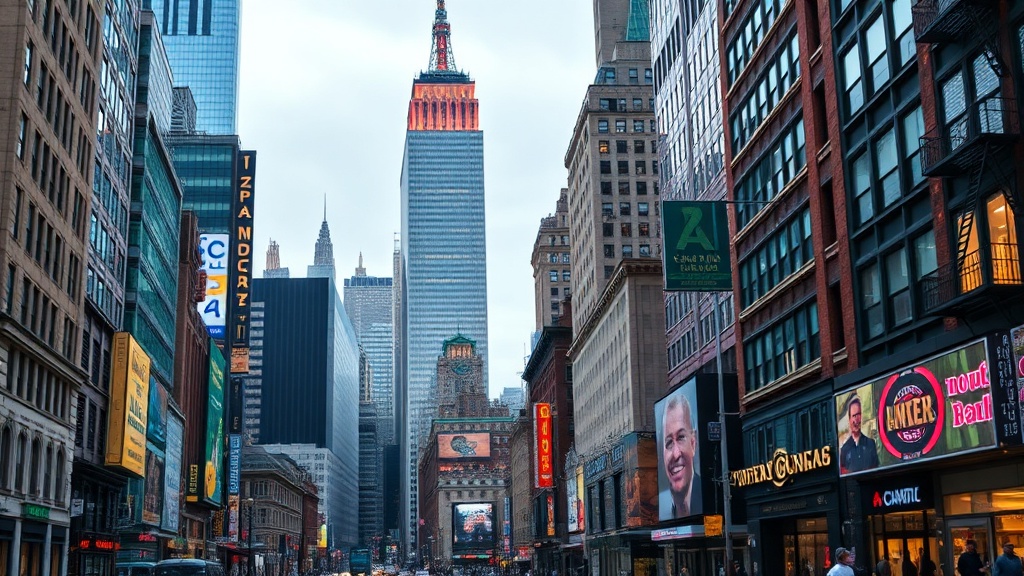
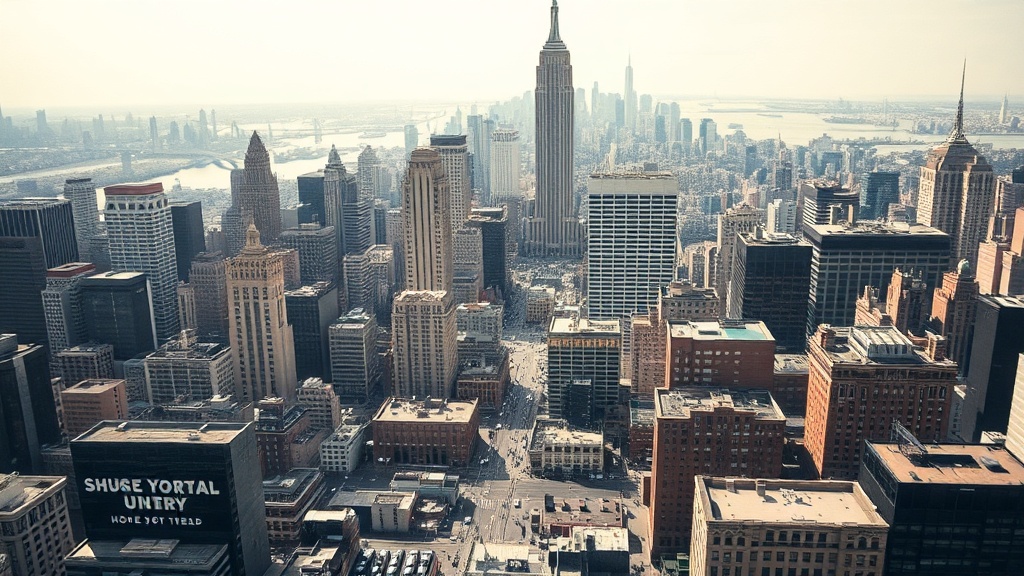
New York’s dense urban fabric and long shoreline make climate resilience a daily priority.
With stronger storms, rising water levels, and intensifying heat, the city is turning toward green infrastructure and smart planning to protect neighborhoods, reduce flood risk, and make streets healthier and cooler.
Shoreline defenses reimagined
Coastal protection is moving beyond temporary barriers.
Projects across the boroughs are blending engineered defenses—like floodwalls and levees—with public parks, raised promenades, and restored wetlands. These hybrid solutions absorb storm surge energy while creating recreational space and new habitat. The idea is to design defenses that serve everyday life, not just emergencies, so waterfronts become safer and more active year-round.
Greening streets and rooftops
Urban heat islands are being cooled with a mix of tree planting, green roofs, and reflective surfaces. Green roofs and rooftop gardens not only reduce building energy use but also retain rainwater and support pollinators. Street-level measures—rain gardens, bioswales, permeable sidewalks, and expanded tree pits—slow and capture runoff, reducing pressure on combined sewer systems during heavy storms.
Buildings: efficiency and electrification

A major piece of the resilience puzzle is making buildings more energy-efficient and less reliant on combustion heating. Deep energy retrofits, better insulation, and the widespread adoption of heat pump systems are lowering emissions and improving indoor comfort during heat waves. Financing tools, incentives, and on-bill repayment programs are making upgrades more accessible for building owners and small landlords.
Distributed energy and microgrids
To maintain power during outages, neighborhoods are deploying distributed energy systems: solar on rooftops, paired with battery storage and microgrids that can island critical facilities like hospitals and shelters.
These systems increase redundancy and speed recovery after storms, while reducing peaks on the grid during heat-driven demand spikes.
Mobility and public space resilience
Streets are becoming a frontline of climate adaptation.
Elevated bike lanes, permeable curb extensions, and redesigned intersections improve stormwater management while encouraging walking and cycling.
Transit agencies are also investing in flood-proofing key infrastructure and introducing more resilient signaling and power systems to limit disruptions.
Community-led solutions and equity
Resilience planning increasingly centers equity. Community-driven projects prioritize neighborhoods most affected by flooding and heat, offering grants for home-level flood proofing, cooling center access, and workforce training for green jobs. Local organizations play a critical role in outreach and implementation, ensuring benefits reach long-standing residents and small businesses.
What residents and business owners can do
– Retrofit basics: seal air leaks, add insulation, and consider heat pump systems where feasible.
– Storm-proofing: raise utilities, install backflow preventers, and keep a kit with important documents and backup power options.
– Landscape for resilience: add rain barrels, plant native trees and shrubs, and support local greening initiatives.
– Tap funding and technical help: explore city programs, community development corporations, and utility incentives that reduce upfront costs.
Accessing resources and staying engaged
City agencies, local nonprofits, and neighborhood groups offer workshops, grants, and technical assistance to help households and businesses adapt. Staying informed about local plans and participating in community advisory processes helps shape resilient investments that match neighborhood needs.
As New York adapts, the focus is on solutions that combine functionality, fairness, and livability—turning climate challenges into opportunities to build greener, safer, and healthier neighborhoods.