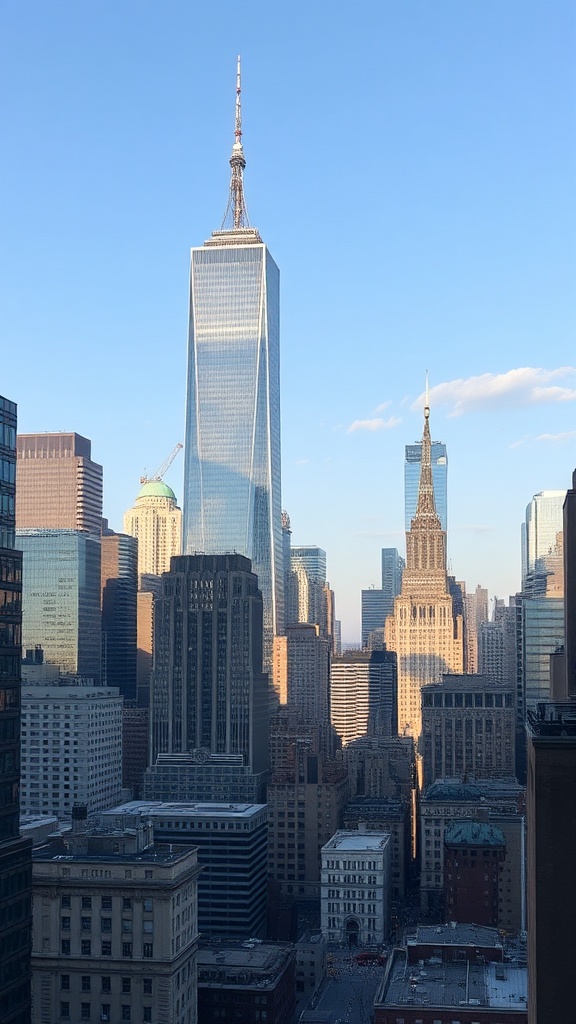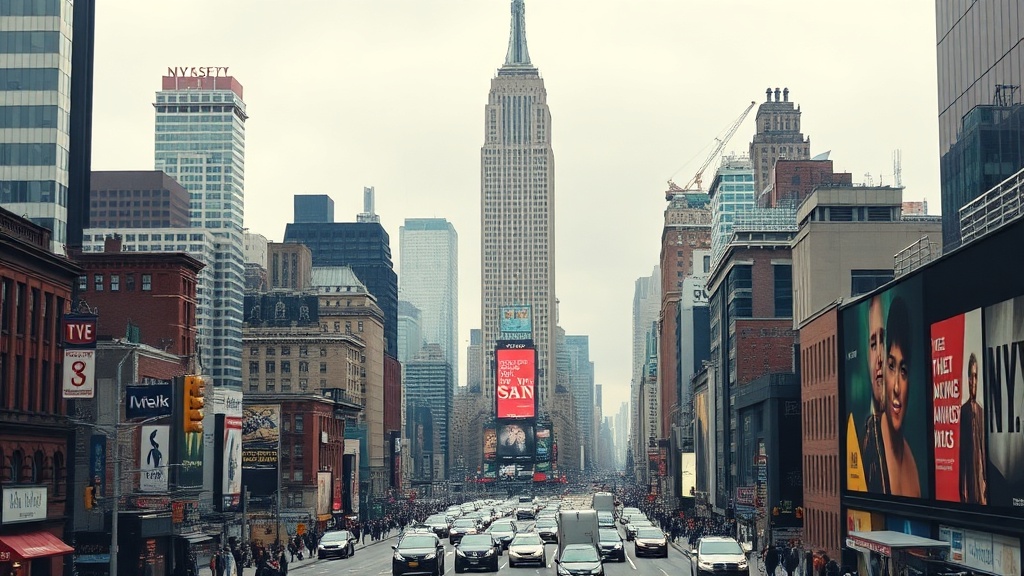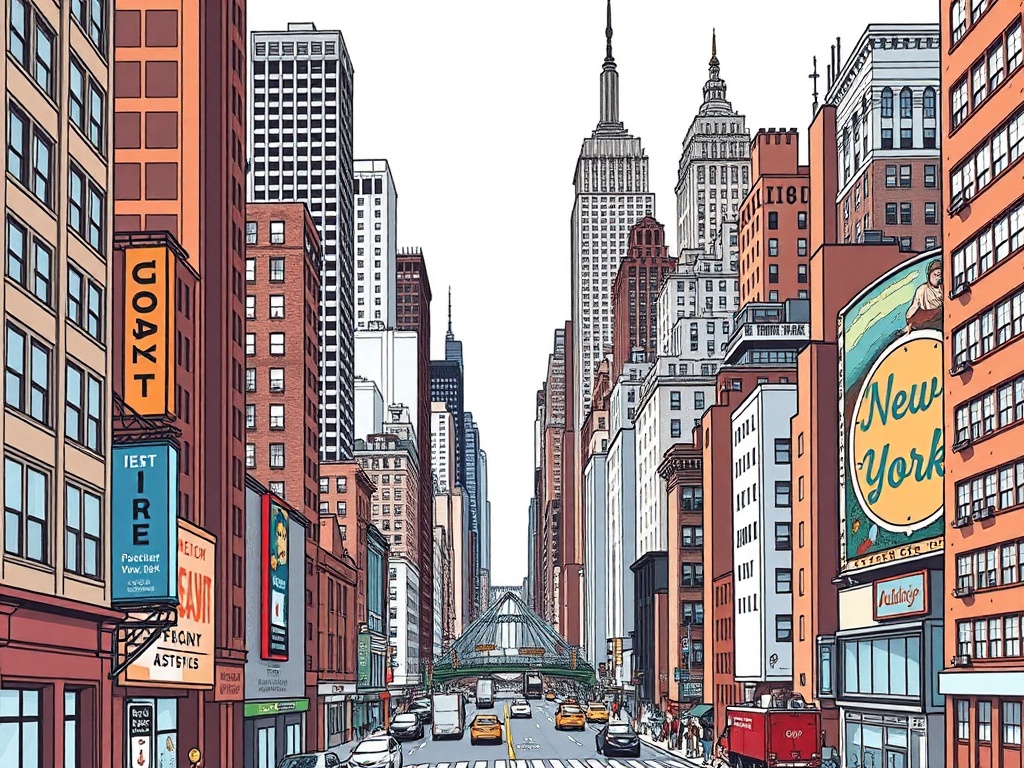
New York’s approach to climate resilience blends bold engineering with neighborhood-level action, creating a model for coastal cities everywhere. Facing rising water levels, stronger storms, and urban heat, the city is shifting from emergency response to long-term adaptation — while keeping livability, equity, and economic recovery front and center.
Shoring up the waterfront
Waterfront protection is a top priority. Projects range from large-scale barriers and raised parks to smaller, flexible defenses that work with natural systems. Prominent riverfront and harbor corridors are being reimagined as layered defenses: floodwalls and deployable gates where needed, combined with expanded wetlands, oyster reefs, and sand nourishment that absorb storm energy.
These nature-based solutions not only buffer floodwaters but also create new habitat and recreation space.

Greener streets and buildings
Green infrastructure is quietly transforming neighborhoods across the city.
Bioswales, permeable pavements, and street trees reduce stormwater runoff and cool hot streets on summer days.
Incentives for green roofs encourage buildings to capture rain, lower energy use, and extend rooftop green space for residents and pollinators. For property owners, these upgrades deliver lower energy bills and improved comfort, while delivering measurable environmental benefits.
Making critical systems more reliable
Energy and transit systems are being hardened to keep the city functioning when storms strike. Investments in distributed energy, microgrids, and backup power increase reliability for hospitals, shelters, and critical infrastructure. Transit resilience measures include floodproofing key subway entrances, installing more robust pumping systems, and protecting tunnels and bridges from extreme events.
For commuters and businesses, these improvements reduce the economic shock from service interruptions.
Designing resilient neighborhoods
Resilience planning is moving beyond single projects to neighborhood-scale strategies that combine mitigation, adaptation, and social support. Resilient neighborhoods are designed to prioritize equitable protection for frontline communities that historically bore the brunt of hazards. Strategies include elevating utilities, creating storm-resilient community centers, and supporting local small businesses with emergency planning and recovery resources.
Policy, funding, and community engagement
Public funding and policy tools are essential to scale resilience. Building codes and zoning updates promote safer construction and denser development in lower-risk areas, while grant programs help communities invest in local defenses. Crucially, community engagement shapes where and how projects are built, ensuring that interventions respond to real needs and protect cultural assets.
Co-benefits that matter every day
Resilience investments also deliver everyday improvements: cleaner air, quieter streets, more green space, and better public health. Tree-lined avenues and rooftop gardens cool urban heat islands, while restored wetlands offer bird and fish habitat. Job opportunities arise in green construction, landscape maintenance, and resilience planning — a meaningful economic benefit alongside environmental protection.
How residents can get involved
Neighborhood-level action multiplies the impact of large projects. Residents can join local planning efforts, support community-led green infrastructure, volunteer for tree plantings, and push for flood-proofing measures on their blocks.
For homeowners and renters, simple steps like installing window backups, elevating utilities, and knowing evacuation routes increase household resilience.
New York’s resilience strategy is neither simple nor quick, but it’s increasingly comprehensive and community-driven. By combining engineering, nature-based design, stronger policy, and active civic engagement, the city is building a safer, greener, and more equitable future for everyone who lives, works, and visits here.