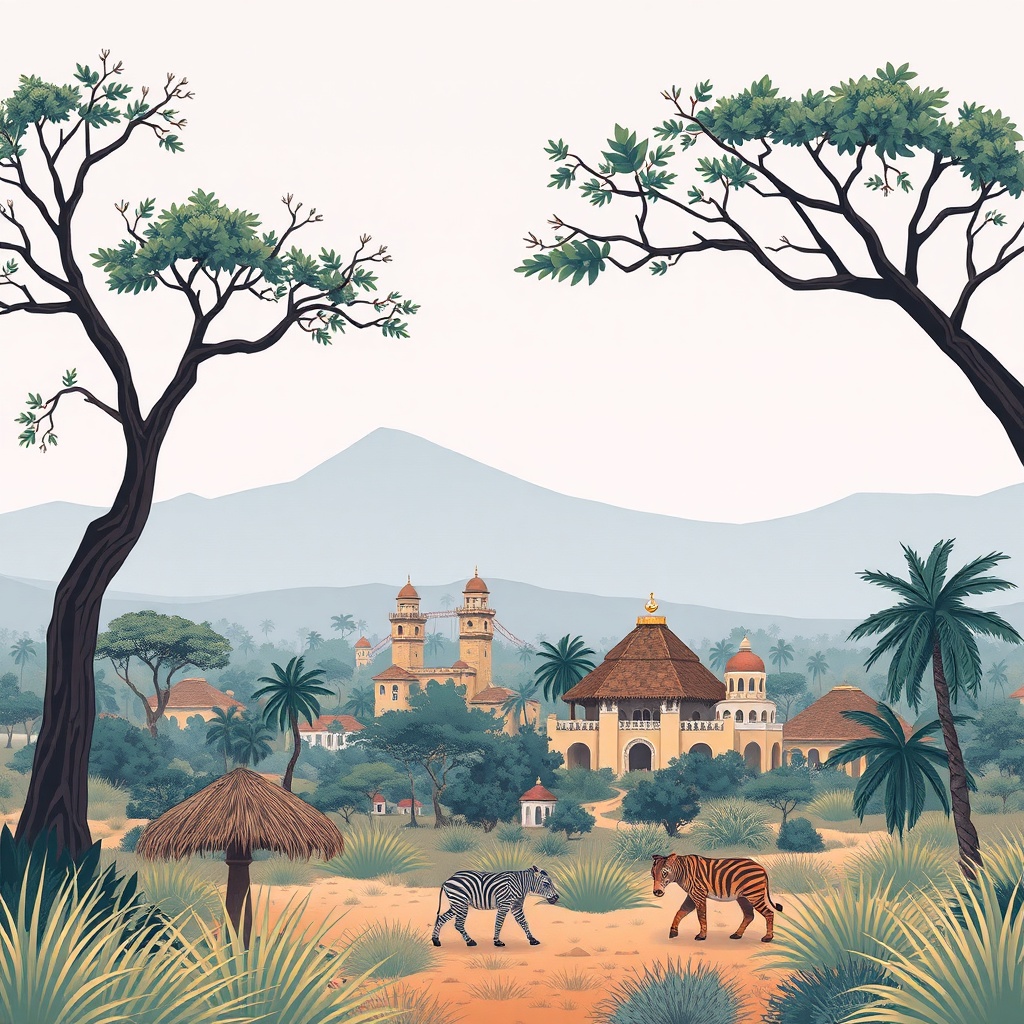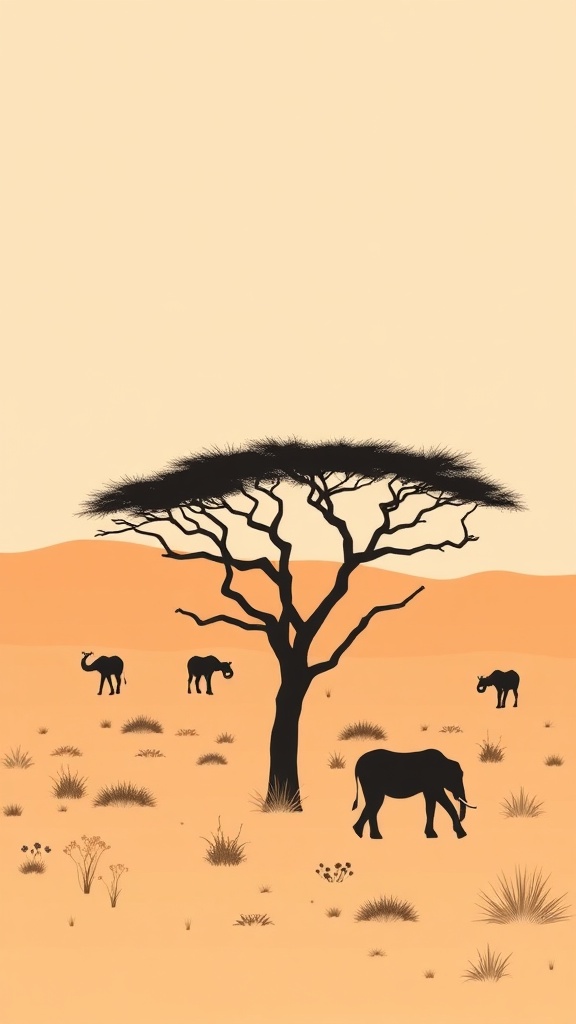
Savannahs are some of the planet’s most striking and productive landscapes, where open grasslands, scattered trees, and rich wildlife create a dynamic ecosystem shaped by fire, grazing, and seasonal rains. Understanding how savannahs function helps guide conservation, sustainable land use, and meaningful wildlife experiences.
Why savannahs matter
Savannahs support exceptional biodiversity and provide critical ecosystem services. Large herbivores like elephants, antelope, and bison (depending on region) maintain grassland structure through grazing and browsing, while predators regulate herbivore populations and keep the system balanced. Soil health, water infiltration, and carbon storage in savannahs are vital for climate resilience and local livelihoods, especially where pastoralism and small-scale agriculture depend on predictable seasonal productivity.
The role of fire and grazing

Fire is not destruction in a savannah context; it’s a natural process that recycles nutrients, controls woody encroachment, and promotes diverse grasses. Combined with herbivore grazing, periodic fires prevent a savannah from turning into closed-canopy forest. Fire management that mimics natural patterns—timed burns at low intensity during cooler months—sustains habitat diversity and reduces the likelihood of catastrophic wildfires.
Keystone species and ecological engineering
Certain species act as ecological engineers. Elephants can uproot trees and open up thick brush, creating habitat for grasses and ground-dwelling species. Termites build mounds that alter soil composition and create microhabitats for plants and insects.
Protecting these keystone species is essential for maintaining the savannah’s mosaic of habitats.
Threats and practical conservation strategies
Savannahs face several human-driven pressures: conversion to cropland, overgrazing, unsustainable fire suppression, and infrastructure development. Effective conservation blends science with local knowledge. Practical strategies include:
– Community-based grazing plans that align livestock numbers with carrying capacity
– Controlled burning programs developed with local stakeholders
– Wildlife corridors and land-sparing approaches to maintain connectivity
– Payment for ecosystem services schemes that compensate communities for conservation actions
Balancing conservation and local livelihoods
Successful savannah conservation recognizes that local communities are central partners. Pastoralists and smallholders hold traditional ecological knowledge that can inform grazing rotations, resting periods, and water management. Programs that offer alternative income streams—sustainable tourism, value-added agricultural products, or conservation incentives—reduce pressure on natural resources while improving resilience.
Savannah ecotourism done well
Ecotourism can fund conservation and provide economic benefits when managed responsibly. Best practices include limiting visitor numbers in sensitive areas, employing local guides, investing tourism revenues back into conservation and community projects, and promoting low-impact lodging. Well-run ecotourism educates visitors about ecological processes and the cultural ties between people and landscape.
What a healthy savannah looks like
A resilient savannah displays a patchwork of grasses and trees, seasonal pulses of wildlife, and active processes of fire and regrowth.
It supports diverse livelihoods and provides stable water and soil functions. Monitoring—using both scientific tools like remote sensing and on-the-ground community observations—helps detect trends and adapt management before small problems become large-scale degradation.
Practical tips for visitors and supporters
– Support community-led conservation projects or local guides when visiting
– Respect fire regulations and follow park rules to protect fragile areas
– Learn about seasonal behaviors of wildlife and avoid disturbing key habitats during breeding or migration
– Favor tourism operators that demonstrate clear benefits to local people and wildlife protection
Savannahs are living, evolving systems where people and nature intersect. With informed management, respect for natural processes like fire and grazing, and meaningful community engagement, these landscapes can thrive for generations while continuing to sustain wildlife and human communities.