Savannah ecosystems: why they matter and how to support them
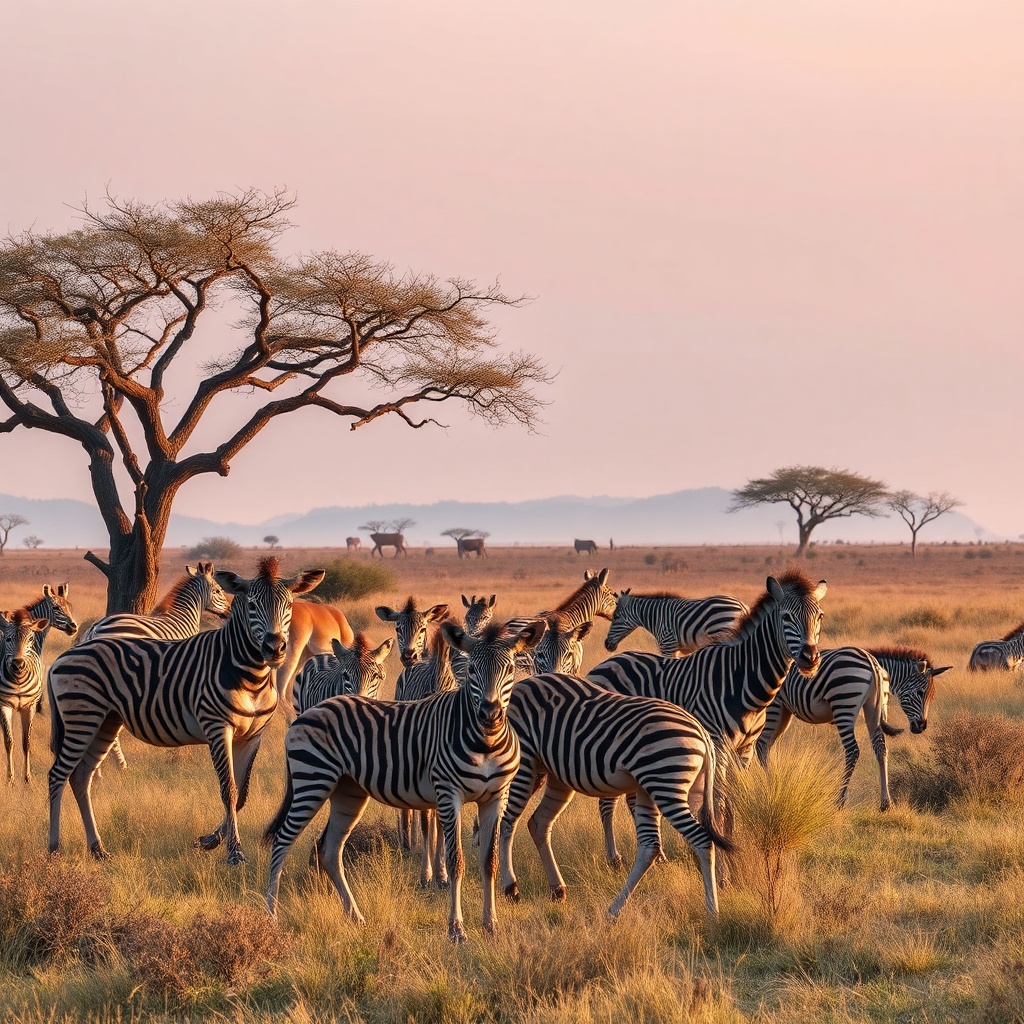
Savannahs — often spelled savanna — are grassland ecosystems dotted with trees and iconic wildlife. They cover vast regions across continents and play a crucial role in biodiversity, carbon cycling, and human livelihoods.
Understanding what keeps these landscapes resilient helps guide conservation, sustainable use, and responsible travel.
What defines a savannah
A savannah is characterized by a continuous grassy layer with scattered trees or shrubs. This balance between open grassland and woody plants is maintained by a mix of factors: periodic fires, grazing by herbivores, soil conditions, and seasonal rainfall patterns.
That mix creates a mosaic of habitats that supports a uniquely rich assemblage of plants and animals adapted to both drought and disturbance.
Key ecological roles
– Biodiversity hotspot: Savannahs support large herbivores, predators, and innumerable smaller species — from ground-nesting birds and pollinators to soil microbes. Many species depend on the open-canopy structure to forage, breed, or migrate.
– Carbon and water cycles: While forests often receive attention for carbon sequestration, savannahs store significant carbon in soils and long-lived grasses. Their vegetative cover also influences water infiltration and reduces erosion.
– Fire-adapted systems: Regular, low-intensity fires, whether started by lightning or traditional human management, recycle nutrients, suppress woody encroachment, and stimulate growth of fire-adapted grasses. Fire exclusion can shift a savannah toward closed-canopy woodland, altering biodiversity and ecosystem services.
Current pressures and challenges
Savannahs face multiple pressures that reduce their resilience. Agricultural expansion, conversion to cropland or pasture, and urban development fragment habitat. Overgrazing and inappropriate fire suppression alter plant communities, often promoting invasive species or woody encroachment. Climate variability influences rainfall patterns, sometimes intensifying droughts or irregular growing seasons. Additionally, hunting and unsustainable resource extraction threaten wildlife populations and local livelihoods.
Conservation and sustainable management
Effective savannah stewardship blends science, traditional knowledge, and community engagement. Key strategies include:
– Adaptive fire management: Implementing controlled burns at appropriate seasons and scales maintains the savannah structure and reduces risk of catastrophic wildfires.
– Sustainable grazing practices: Rotational grazing and setting stocking rates to match forage production help prevent land degradation while supporting pastoral livelihoods.
– Protected area networks and corridors: Conserving core habitats and restoring connectivity allows wildlife movement and genetic exchange, especially for migratory species.
– Community-based conservation: Involving local people in decision-making and benefit-sharing aligns conservation goals with economic needs, from sustainable harvesting to ecotourism.
Responsible tourism and how to help

Savannahs attract travelers seeking wildlife viewing, cultural exchange, and scenic landscapes.
Responsible tourism minimizes disturbance by following park rules, supporting local guides and businesses, and choosing operators committed to conservation.
For those looking to contribute, consider volunteering with reputable conservation groups, supporting habitat restoration projects, or donating to community-led initiatives that combine poverty alleviation with ecosystem protection.
Looking ahead
Savannahs remain dynamic, resilient landscapes when managed with attention to natural processes and human needs. Prioritizing fire regimes, sustainable land use, and community partnerships fosters ecosystems that continue to support wildlife, sequester carbon, and sustain people. Small, informed actions — from the choices communities make about grazing to the way visitors experience the landscape — collectively shape the future of these vital grasslands.