Savannah travel: where live oaks, oyster roasts, and cinematic streets create a magnetic coastal experience
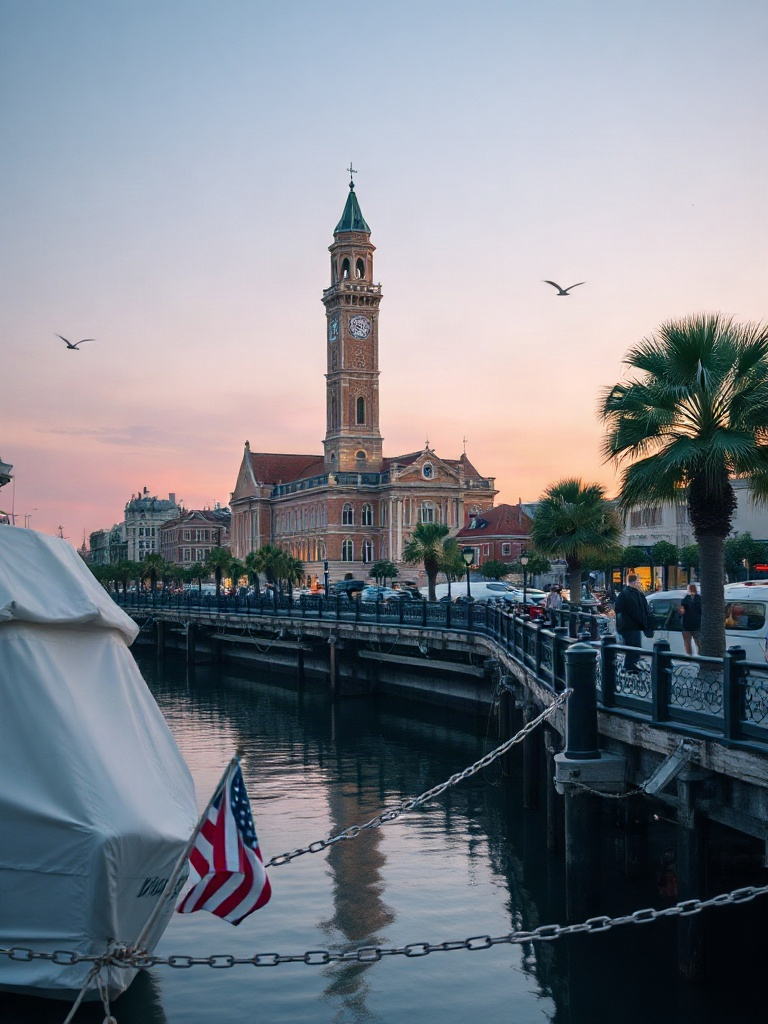
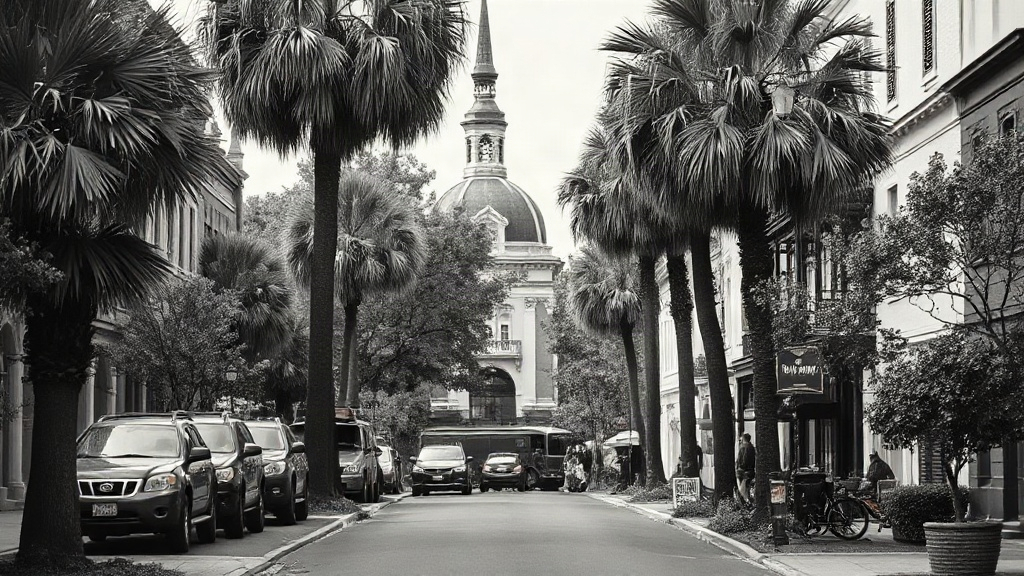
Savannah travel remains a top draw for visitors seeking history, culinary culture, and coastal scenery. The Savannah Historic District is a walkable mosaic of cobblestone lanes, antebellum architecture, and 22 park-like squares anchored by fountains and centuries-old live oaks draped in Spanish moss. Forsyth Park offers a leafy, photogenic pause for picnics and people-watching, while River Street’s brick promenade buzzes with waterfront dining, craft shops, and riverboats plying the tidal Savannah River.
Food & drink scene
Savannah’s culinary profile blends Lowcountry traditions with inventive, contemporary kitchens.
Expect shrimp and grits, fried green tomatoes, and she-crab soup alongside a growing roster of craft breweries, farm-to-table restaurants, and Southern-inspired bakeries.
Night markets and oyster roasts provide seasonal flavors and local social life, and a short drive brings you to Tybee Island, where casual beachfront eateries serve fresh Gulf and Atlantic catches.
Arts, education, and film

Savannah College of Art and Design (SCAD) adds creative energy to the city, supporting galleries, film screenings, and public art that keep the cultural calendar lively. The city’s photogenic streetscapes and preserved architecture make it a magnet for filmmakers and photographers—those cinematic backdrops are embraced by locals and creators alike, helping Savannah maintain a visible presence in national arts and entertainment coverage.
Nature and coastal resilience
Savannah sits at the intersection of city and salt marsh, a landscape that is both beautiful and ecologically vital. The surrounding tidal marshes filter water, provide habitat for shorebirds and fish, and buffer storm impacts.
At the same time, coastal communities are navigating rising tides and more frequent flooding.
Local partners, including preservation groups, universities, and municipalities, are prioritizing living shorelines, marsh restoration, and updated stormwater planning to protect neighborhoods and historic districts while preserving natural systems.
Neighborhoods and living in Savannah
Neighborhoods range from the ornate, tourism-focused Historic District to quieter residential areas with bungalow homes and modern infill. Real estate interest often centers on preservation-friendly renovation, walkability, and proximity to parks and waterfront amenities.
For those considering relocation, understanding insurance considerations and floodplain maps is essential, as coastal dynamics influence long-term planning.
Visitor tips
– Book walking tours that focus on architecture, ghost lore, or food to get deeper context for the city’s past and present.
– Explore beyond downtown: Tybee Island’s beaches, Wormsloe Historic Site’s oak avenue, and neighborhoods with local coffee shops reveal different sides of Savannah.
– Pack comfortable shoes for cobblestones and bring a light layer for breezy evenings along the river.
– Respect private homes and historic properties—many beautiful buildings are privately owned or occupied by students and longtime residents.
Sustaining the charm
Balancing tourism with community needs is a recurring conversation in Savannah.
Preservation-minded policies, sustainable tourism practices, and investments in public spaces aim to keep the city vibrant for residents and welcoming for visitors. Whether drawn by history, food, art, or coastal landscapes, visitors who approach Savannah with curiosity and respect will find a place that rewards slow exploration and repeat visits.