South Carolina’s Lowcountry: Marshes, Culture, and Coastal Resilience
South Carolina’s Lowcountry is a landscape of wide tidal marshes, moss-draped live oaks, and barrier islands that shape both a unique ecology and a rich cultural identity.
For visitors and residents alike, the region offers outdoor adventure, a celebrated culinary scene, and a front-row view of how coastal communities are adapting to environmental change.
What makes the Lowcountry special
The Lowcountry is defined by its tidal creeks and salt marshes, ecosystems that support an abundance of wildlife and act as natural buffers against storm surge. These marshes filter water, sequester carbon, and provide nursery habitat for fish and shellfish that fuel local fisheries. Intertwined with the landscape is a living heritage: the Gullah Geechee culture preserves language, crafts, and culinary traditions shaped by generations of coastal life.
Outdoor activities and wildlife
Kayaking and paddleboarding through winding creeks reveal shorebirds, crabs, and occasionally dolphin pods skimming the estuaries. Birdwatchers will find world-class opportunities — marshes and tidal flats attract herons, egrets, and migratory shorebirds. Barrier islands offer miles of uncrowded beaches for shelling, surfing, and nature photography, while inland preserves provide hiking routes through pine forests and longleaf ecosystems.
Food and local economies
Seafood is central to the Lowcountry table.
Classic dishes like shrimp and grits, she-crab soup, and oyster roasts showcase locally harvested ingredients and a culinary tradition that blends African, European, and Native American influences.
Supporting locally owned restaurants, fisheries, and farmers’ markets keeps economic benefits in the community and helps sustain traditional fishing practices.
Heritage and community
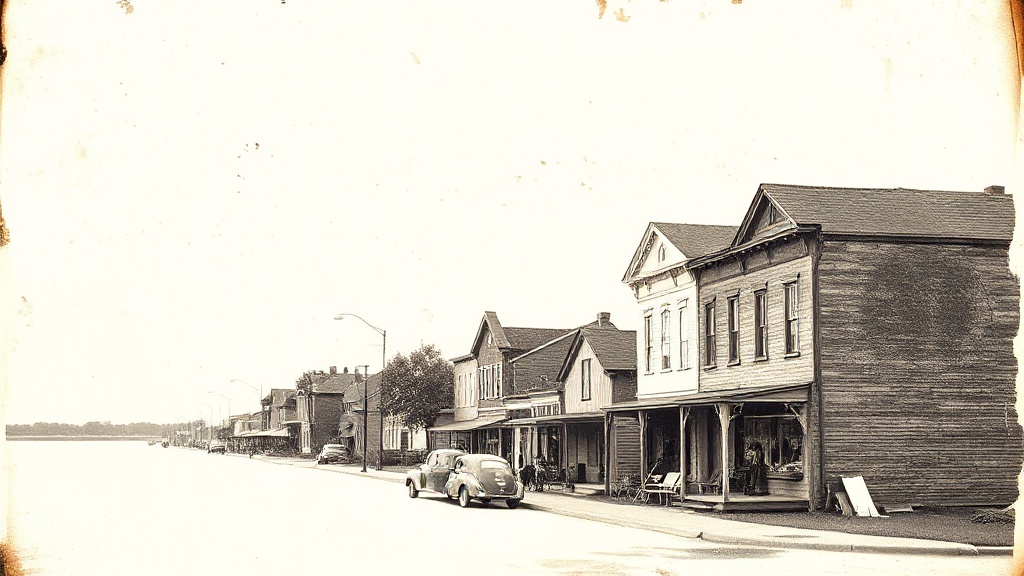
Historic plantations and port cities preserve architecture and stories that connect present-day communities to the past. Equally important are the living traditions carried by Gullah Geechee communities — basket weaving, rice-based recipes, storytelling, and language patterns that continue to shape regional identity. Visitors can deepen their experience by seeking guided cultural tours, local craft markets, and community-run heritage centers.
Conservation and coastal resilience
With coastal exposure comes vulnerability. Salt marsh restoration, living shorelines, dune reconstruction, and managed retreat are among the strategies being used across the Lowcountry to reduce erosion and protect habitats. Public-private partnerships, conservation easements, and community-led initiatives aim to conserve marshland and freshwater resources while maintaining public access to beaches and waterways.
Responsible travel tips
– Respect private property and marked conservation zones; many marshes and islands are sensitive habitats.
– Choose guided tours led by naturalists or local cultural stewards to deepen understanding and support small businesses.
– Follow leave-no-trace principles: pack out what you bring in, avoid disturbing nesting birds, and take photographs rather than souvenirs from natural sites.
– Sample local seafood from certified, sustainable sources and ask about harvest practices when possible.
Why it matters
The Lowcountry is more than a scenic destination — it’s a living system where ecology, economy, and culture intersect. Efforts to protect marshes, support local fisheries, and preserve cultural heritage are investments in resilience that benefit residents and visitors alike. Whether paddling a still creek at dawn or savoring a bowl of seafood stew, engaging with the Lowcountry thoughtfully offers an enriching experience and a reminder of the interconnectedness of place and people.