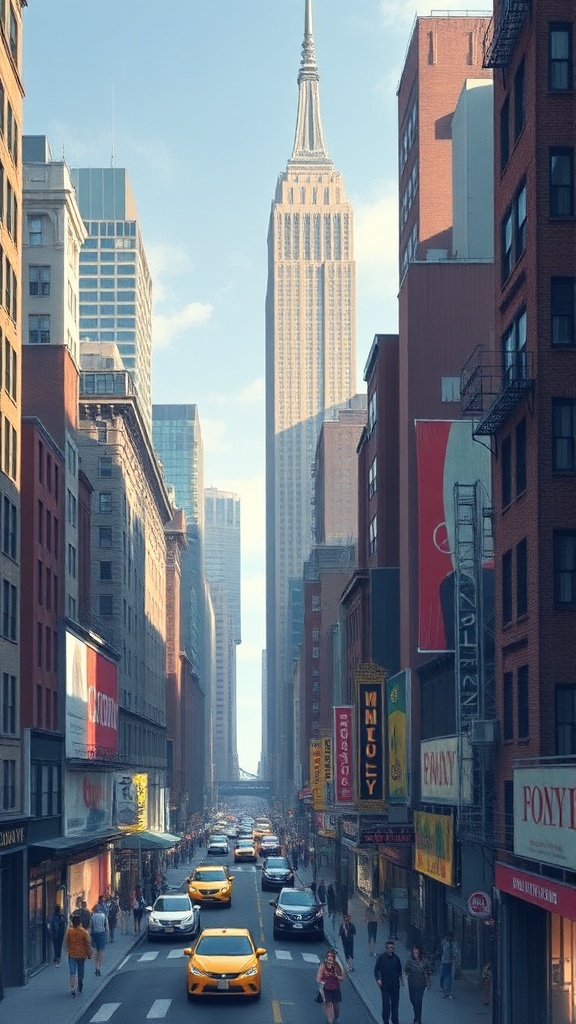
New York City’s waterfront has quietly become one of the most rewarding ways to experience the city—combining open green space, public art, active recreation, and unbeatable skyline views. Once dominated by industry and shipping, many miles of shoreline are now inviting places to walk, bike, kayak, picnic, and catch a sunset.
Why the waterfront matters
Reimagined piers and esplanades have added valuable parkland and community space, while also serving as living examples of resilient urban design. Many waterfront projects double as flood mitigation and habitat restoration efforts, so visiting these areas supports both recreation and environmental stewardship.
Top spots to explore
– Hudson River Park: Stretching along Manhattan’s west side, this linear park features piers with sports fields, lawn spaces, waterfront esplanades, and kayak launches.
Sunsets here frame the skyline and the Statue of Liberty in striking silhouettes.

– Brooklyn Bridge Park: With terraced lawns, playgrounds, and waterfront promenades, this park offers panoramic views of Lower Manhattan and the Brooklyn Bridge.
It’s a favorite for families and photographers.
– East River Esplanade: A quieter alternative on the east side, this path connects several neighborhoods and provides leafy stretches and river vistas.
– Governors Island: A short ferry ride away, the island is a car-free refuge with bike paths, picnic lawns, seasonal events, and art installations.
– Staten Island Ferry: The free ferry ride is one of the most budget-friendly ways to get a sweeping view of the harbor and the Statue of Liberty without leaving transit mode.
Active ways to enjoy the water
– Biking: Many waterfronts are bike-friendly and link to larger city networks. Bike-share systems make spontaneous rides easy.
– Kayaking and paddleboarding: Several non-profit boathouses offer free or low-cost programs and drop-in sessions—great for beginners and families.
– Walking tours: Self-guided or organized walks focus on architecture, ecology, or history, turning a casual stroll into a deeper urban experience.
– Organized events: Outdoor concerts, pop-up markets, and seasonal festivals regularly animate piers and open lawns.
Practical tips for a smooth visit
– Timing: Early morning and late afternoon tend to be quieter; evening visits offer memorable sunsets but can be more crowded on popular piers.
– Getting there: Most waterfronts are accessible by subway, bus, bike, or ferry. Check transit maps before you go and consider mixing modes—ride a ferry one way and walk back for different perspectives.
– What to bring: Layered clothing, sunscreen, a refillable water bottle, and comfortable shoes. If you’re staying for a picnic, pack everything out to keep the green spaces clean.
– Accessibility: Many major waterfront parks include ADA-compliant paths and amenities; consult individual park websites for specific accessibility information.
Safety and stewardship
Stick to designated paths, obey signage near shorelines, and keep an eye on changing weather—waterfront conditions can shift quickly. Respect wildlife and plantings, and support local stewardship by participating in cleanup events or donating to community organizations that maintain boathouses and parks.
Whether you’re a longtime resident or a visitor, exploring the waterfront offers a fresh, outdoor perspective on the city—one that blends city life with open-air recreation, public art, and meaningful environmental design. Pack a small bag, pick a pierview spot, and enjoy a different side of the city’s skyline.