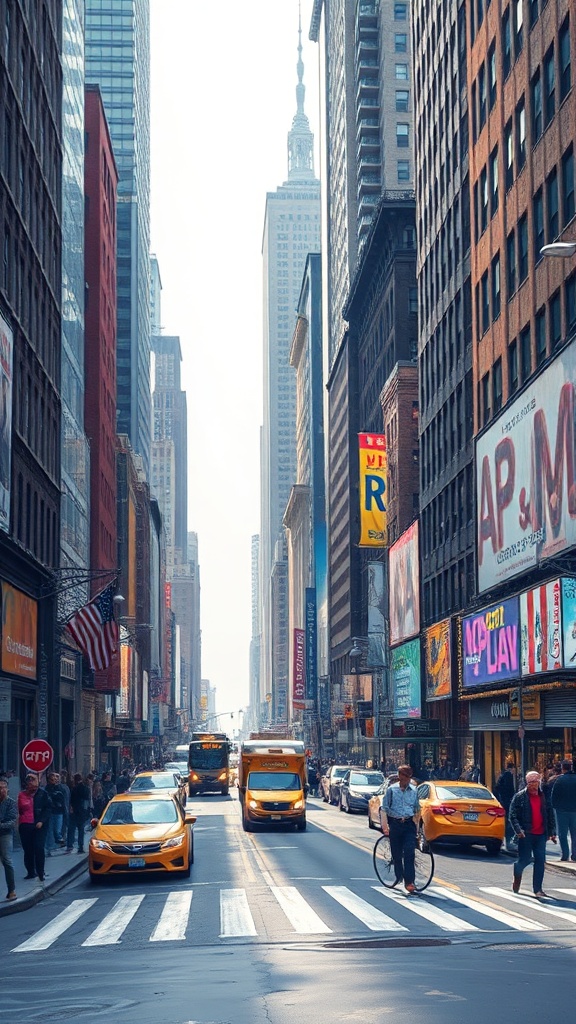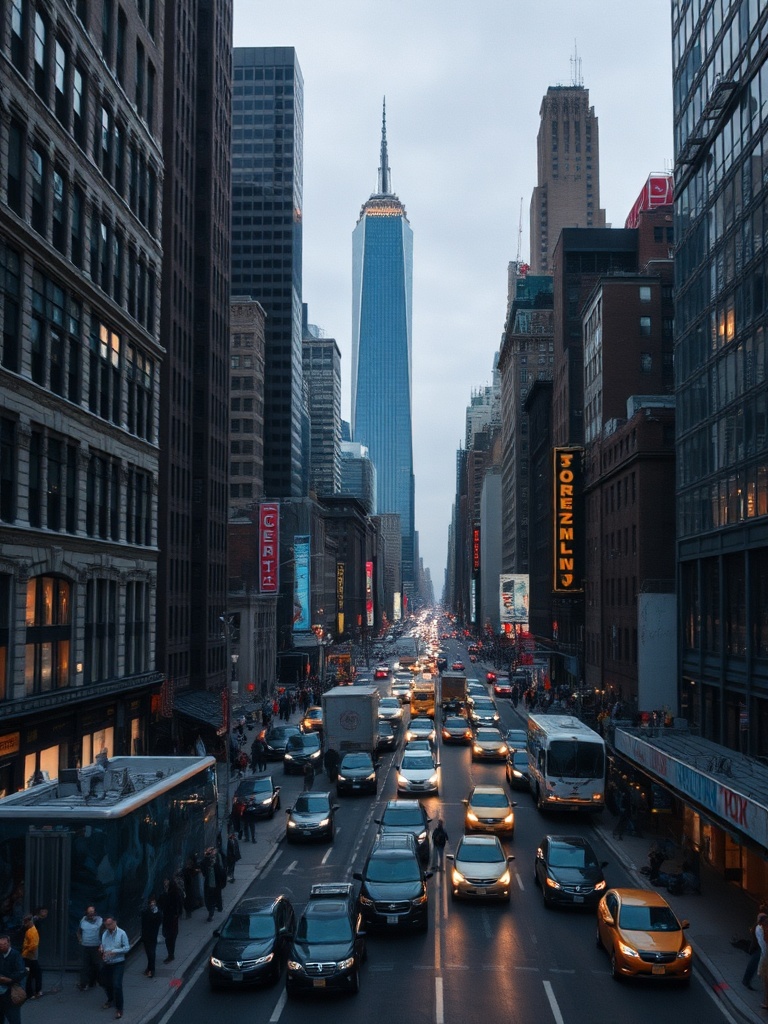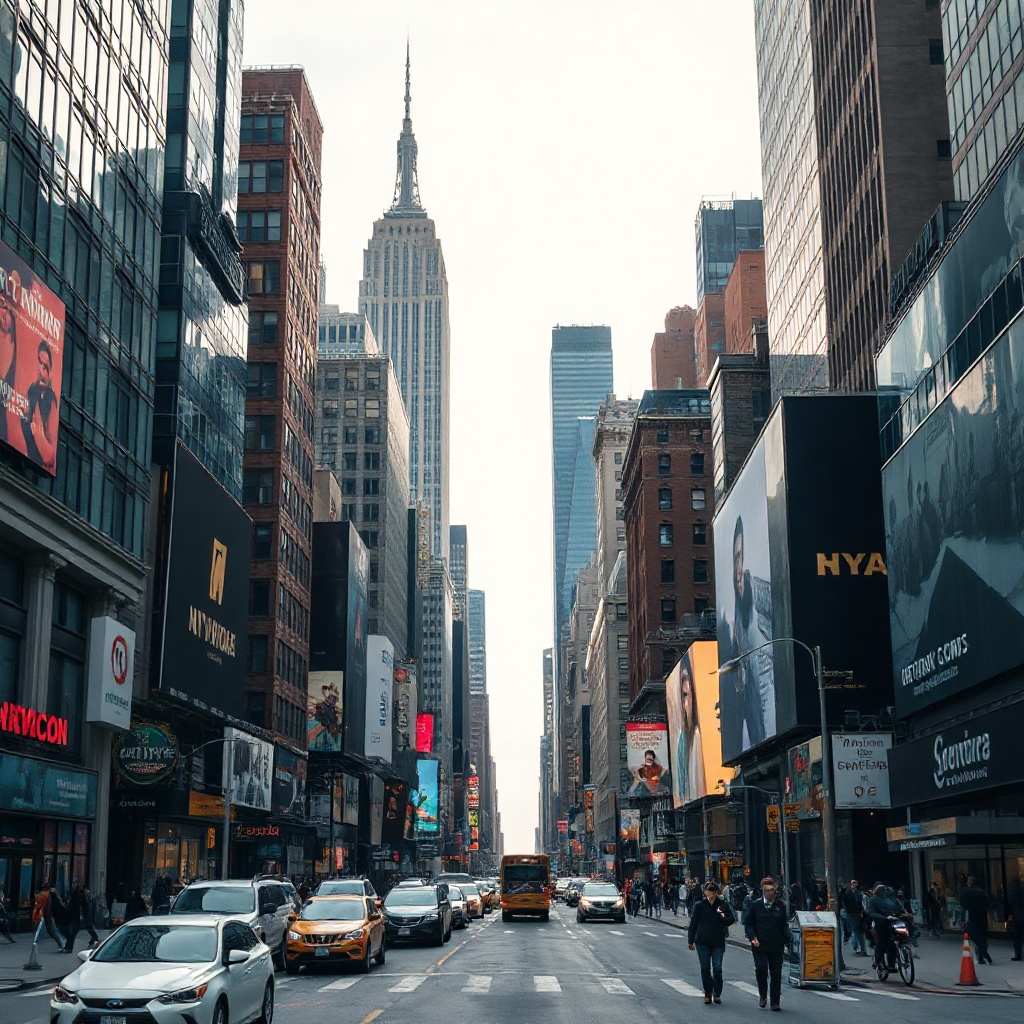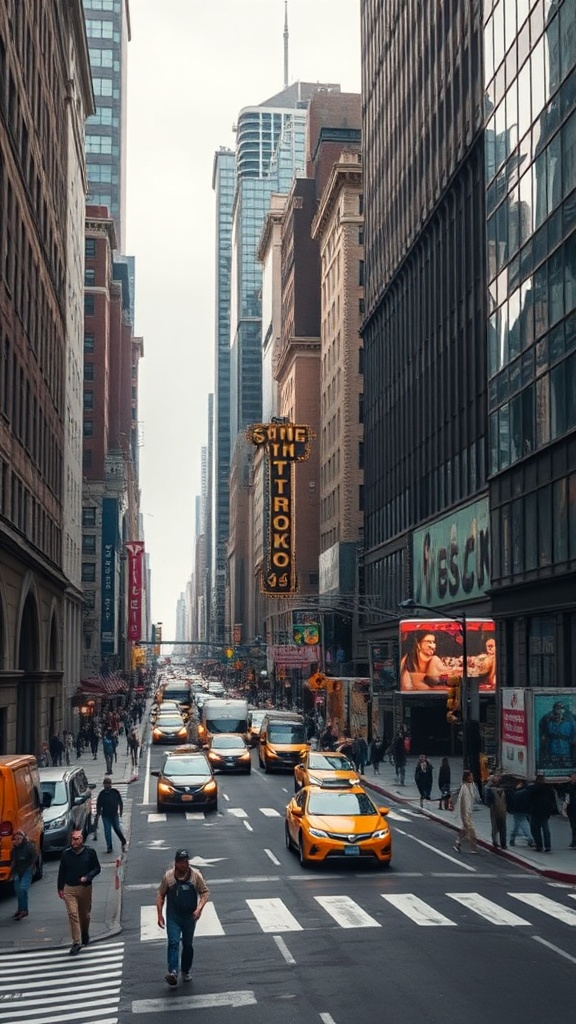
New York’s parks and waterfronts offer a refreshing way to experience the city beyond skyscrapers and subway maps. From elevated greenways to restored riverfronts and quiet neighborhood gardens, the landscape has been reshaped to prioritize recreation, resilience, and community.
Here’s a practical guide to some standout outdoor spots and how to make the most of them.
Why New York’s outdoor spaces matter
The city has invested heavily in converting industrial shorelines and vacant lots into vibrant public realms. These projects do more than beautify neighborhoods: they improve air quality, reduce flooding risk, create new cultural venues, and give residents and visitors accessible alternatives to crowded indoor attractions.
Top picks worth visiting
– High Line: This elevated park winds through a distinctive stretch of Manhattan’s West Side, pairing modern landscaping with public art and unique sightlines into the city.
Early mornings or weekday afternoons offer the least crowded experience.
– Brooklyn Bridge Park: Stretching along the East River, the park offers waterfront lawns, sports courts, and spectacular views of the bridge and skyline. Look for seasonal programming, outdoor movie nights, and food vendors near the piers.
– Hudson River Park: A long ribbon along Manhattan’s west side, it’s ideal for walking, biking, and paddle sports. Several piers have pierside gardens, fishing spots, and kayak launches.
– Governors Island: A short ferry ride from Lower Manhattan or Brooklyn, the island is a haven of car-free lanes, bike rentals, art installations, and seasonal festivals. It’s perfect for picnics and panoramic skyline views.
– Central Park’s hidden corners: Beyond the well-known attractions, explore the North Woods, Shakespeare Garden, and the Ramble for quieter walks and birdwatching.
– Community gardens and Greenbelt trails: In neighborhoods across the boroughs, small green spaces and preserved trails offer peaceful escapes without leaving the city.

Practical tips for visiting
– Use public transit or ferries whenever possible. Many waterfront parks are easy to reach by subway plus a short walk, and ferries provide scenic alternatives with less walking.
– Rent a bike or bring comfortable shoes. Several parks are configured for cycling and walking; bike-sharing docks are commonly available near major entrances.
– Pack layers. Waterfront breezes shift quickly, and shade varies across parks, so a lightweight jacket or sweater is a smart carry.
– Check programming calendars. Outdoor concerts, markets, and family-friendly workshops populate park schedules seasonally—booking ahead can secure spots at popular events.
– Respect local rules. Many parks have specific hours, leash policies for pets, and restrictions around grilling or amplified sound.
Why these spaces are evolving
Efforts to expand park access and enhance climate resilience are shaping the city’s outdoor future.
Projects often balance public use with habitat restoration, flood protection, and public art. This approach creates flexible public realms that can handle heavier use while staying resilient to changing weather patterns.
Plan a day around a neighborhood
Pair outdoor time with local dining and shopping to build a full-day itinerary. For example, combine a stroll on an elevated park with brunch in a nearby neighborhood, or follow a waterfront walk with a sunset ferry ride.
Local markets and food vendors bring seasonal flavors to park lawns and piers, making al fresco dining an easy option.
These outdoor destinations transform how people experience New York—providing calm, culture, and connectivity across the city’s varied neighborhoods. Whether you’re seeking active recreation or a quiet slice of nature, the parks and waterfronts deliver accessible options that reward exploration.