Virginia Tech: a blend of tradition, research power and community-driven innovation

Virginia Tech has built a reputation as a place where hands-on learning, ambitious research, and close-knit campus culture meet. Prospective students, industry partners and visitors often notice the same things first: the distinctive Hokie Stone architecture, an energetic student body known as the Hokies, and a campus that doubles as a real-world laboratory for solving complex problems.
Research strength and industry partnerships
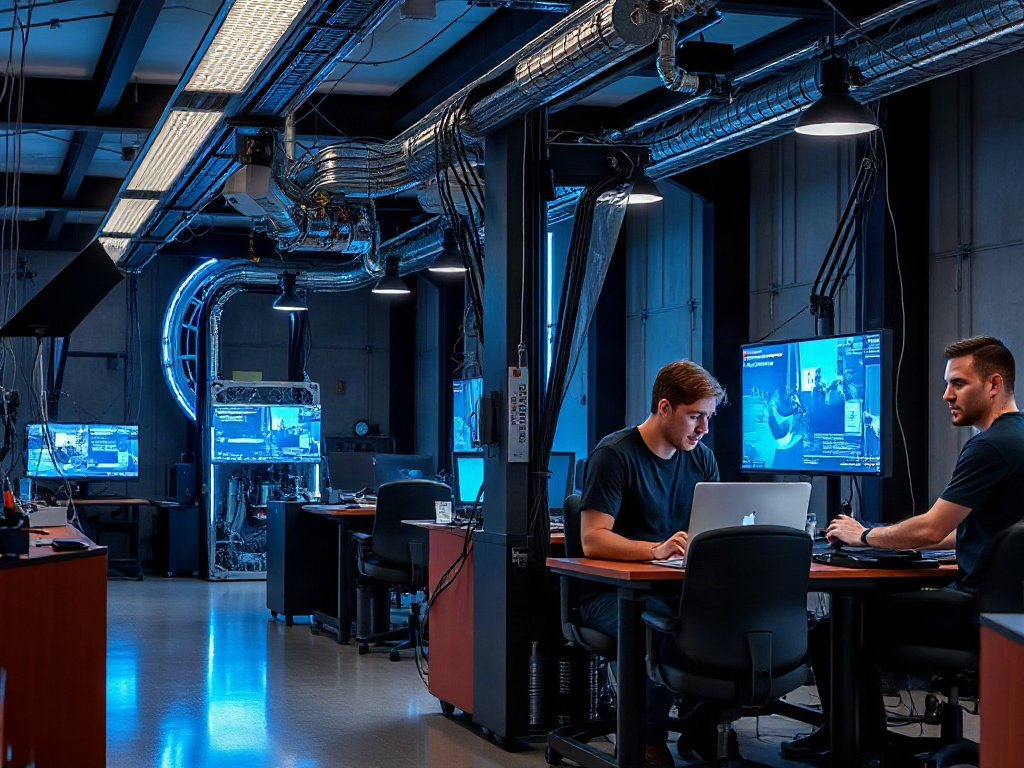
The university is recognized for pushing boundaries in engineering, computing, life sciences and transportation. Large-scale research centers attract interdisciplinary teams tackling challenges from autonomous mobility and cybersecurity to advanced materials and renewable energy. Partnerships with industry and nearby research parks create pathways for technology transfer and startup formation, making the campus a regional innovation hub.
A growing entrepreneurship ecosystem
Entrepreneurial support runs deep through university programs, mentorship networks and incubators.
Students and faculty with viable ideas can access resources for prototyping, business development and fundraising.
The Corporate Research Center and innovation-focused campuses close to major metropolitan areas help connect founders with customers and capital, supporting ventures that scale beyond the campus.
Hands-on learning and career readiness
Virginia Tech emphasizes experiential education. Many departments integrate undergraduate research, co-op programs, internships and design projects that give students practical skills employers seek. Career services and employer engagement events draw a wide set of companies, particularly in engineering, computing and biotech, helping launch meaningful early-career opportunities.
Sustainability and resilience
Sustainability is woven into campus planning and research.
From building retrofits and energy efficiency initiatives to landscape projects that support biodiversity and stormwater management, the campus serves as a living lab.
Researchers collaborate with community partners on resilience planning, climate adaptation and clean energy transitions, translating academic work into tangible benefits for the region.
Student life and traditions
Beyond academics, the Hokie experience is defined by traditions and community involvement. The Corps of Cadets, student clubs, arts organizations and spirited athletics create opportunities for leadership and belonging. Campus events, volunteer programs and outreach initiatives connect students with the broader community, reinforcing a culture of service.
Innovation in mobility and transportation
Transportation research is a standout area, with teams focused on connected and autonomous vehicles, safety analytics and human-centered mobility design. That work spans testing facilities, simulation labs and community pilot programs that aim to make transportation safer, more efficient and more equitable.
Visiting and getting involved
Visitors find plenty to explore: iconic buildings, public art and outdoor gathering spaces that reflect both academic life and Appalachian heritage. Prospective students should look for ways to engage early—undergraduate research, student organizations, and entrepreneurship resources are accessible entry points that enhance learning and career prospects.
Why it matters
What sets the university apart is the blend of scale and community: large research ambitions supported by a culture that values practical impact and student leadership. Whether someone is drawn by cutting-edge labs, the drive to launch a startup, or the pull of Hokie spirit, the environment supports growth, collaboration and problem-solving that reaches beyond the campus borders.