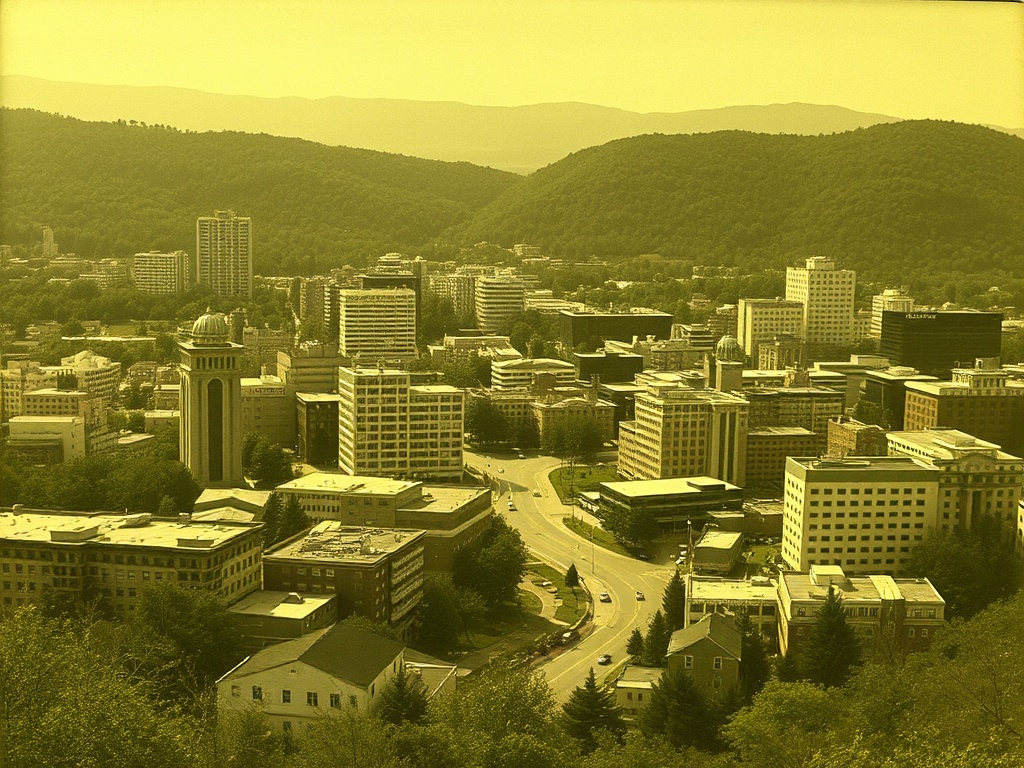
Virginia Tech has grown beyond the image of a traditional land-grant college to become a dynamic innovation ecosystem where transportation safety, smart infrastructure, and entrepreneurship intersect. Known for a hands-on culture and a strong community focus, the university leverages campus resources, industry partnerships, and regional outreach to translate research into real-world impact.
A cornerstone of Virginia Tech’s research profile is its leadership in mobility and transportation. The university hosts a major transportation institute that tests driverless and connected vehicles on dedicated proving grounds, developing safety protocols, human factors research, and data-driven models that inform industry standards and public policy. That work is tightly integrated with smart-road infrastructure and sensor networks, enabling testing at scale and producing open datasets used by engineers and planners worldwide. Collaboration with automakers, government agencies, and technology firms helps accelerate deployment of safer, more efficient mobility solutions.
Innovation and entrepreneurship are woven into campus life. A nearby research park clusters startups, corporate labs, and university spinouts, creating a tight feedback loop between discovery and commercialization.
Programs that support faculty and student founders provide mentoring, seed funding, and access to prototyping facilities and legal guidance, making it easier to move ideas from lab to market. A separate urban innovation campus focused on graduate education in computing and software brings additional talent and industry ties to the region, strengthening pipelines for advanced tech roles.

Interdisciplinary research is another strength. Institutes focused on critical technology and applied science, biomedical discovery, and energy resilience unite engineers, data scientists, and health researchers around complex challenges. From precision agriculture and sustainable energy systems to biomedical engineering and population health, projects emphasize practical outcomes—new devices, evidence-based public interventions, and partnerships that bring clinical or commercial validation.
Community engagement reflects the university’s land-grant mission. Extension services, community-based research, and service-learning programs connect students and faculty with rural and urban communities across the state. That local focus enhances workforce development, supports small businesses, and drives resilience planning for communities facing climate and economic pressures. The campus culture, often summarized by the motto Ut Prosim—That I May Serve—reinforces a commitment to public good and civic responsibility.
For students and partners, the combination of rigorous academics and real-world opportunities is a major draw.
Internships, cooperative research agreements, and industry-sponsored projects provide practical experience while keeping graduates aligned with evolving employer needs.
Alumni networks and industry advisory boards further shape curricula and create pathways for collaboration.
Whether you’re interested in the future of transportation, building a tech startup, or engaging in interdisciplinary research with tangible outcomes, Virginia Tech offers resources and connections that help turn ideas into action. Prospective students and collaborators benefit from a campus ecosystem that pairs deep technical expertise with a practical, mission-driven approach to solving pressing problems.