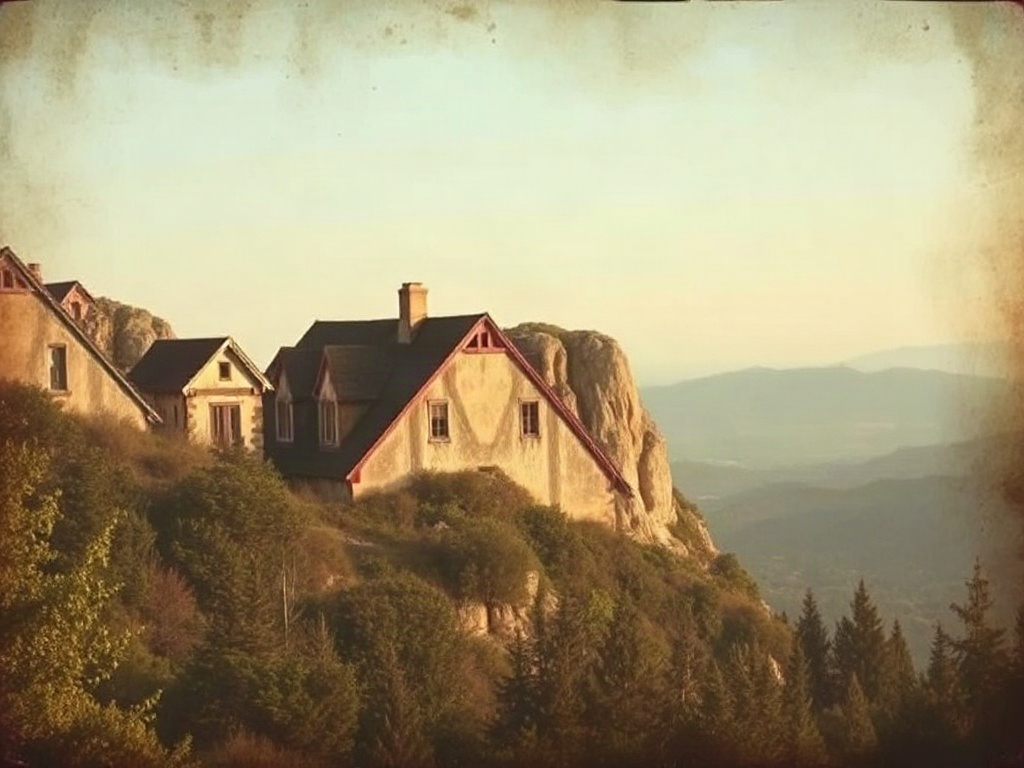
Virginia’s craft beverage scene is a lively mix of historic vineyards, small-batch cideries, and innovative breweries — a compact trail that appeals to casual sippers and serious collectors alike. From rolling Piedmont vineyards to coastal tasting rooms, planning a weekend on Virginia’s beverage trail delivers scenery, flavorful pours, and memorable food pairings.
Why Virginia stands out
Virginia produces a wide range of styles thanks to diverse microclimates and soils. Mountainous areas yield cool-climate whites and robust reds, while coastal plains encourage lighter, aromatic varieties.

That diversity extends beyond wine: cideries harness local apple varieties, meaderies explore honey-driven creations, and craft breweries push seasonal and barrel-aged beers. Many producers emphasize sustainability, small-batch craftsmanship, and farm-to-table hospitality.
Where to go
– Charlottesville and the Monticello area: Close to historic sites and scenic backroads, this region offers boutique wineries with tasting flights and vineyard tours.
Many estates pair tastings with cheese boards or full seasonal menus.
– Shenandoah Valley and Blue Ridge foothills: Expect rustic charm, mountain views, and producers focusing on bold reds and experimental blends.
– Northern Virginia and the Potomac corridor: Convenient for quick escapes from urban centers; wineries and cideries often host live music and food trucks.
– Coastal and Eastern Shore producers: Unique maritime influence produces crisp whites, rosés, and intriguing desserts; visit tasting rooms that often incorporate waterfront views.
How to plan a great tasting weekend
– Book ahead: Reservations are common, especially for seated tastings and weekend visits. Look for reservation windows and cancellation policies on websites.
– Map smartly: Cluster visits geographically to minimize driving and maximize time at each stop. Allow at least 45–60 minutes per tasting room.
– Pair with experiences: Combine tastings with local attractions — historic homes, hiking trails, farmers’ markets, or scenic drives along backroads.
– Consider guided tours: Small-group winery or brewery tours remove the worry of designated driving and add behind-the-scenes access to production areas.
– Pack essentials: Comfortable shoes, a light jacket for evening cool, a reusable water bottle, and a small cooler for purchases you might not want to leave in a hot trunk.
– Practice tasting etiquette: Start with lighter styles and progress to heavier pours, cleanse the palate with water or plain crackers, and ask staff for recommended pairings.
What to taste and buy
– Try regional specialties: Virginia-grown Viognier and Norton offer distinctive profiles not found everywhere.
Ciders made from heirloom apples deliver complex tannic structure, and meads showcase local honey varieties.
– Look for limited releases: Small producers often sell single-vineyard or barrel-aged bottlings only at the tasting room or through mailing lists.
– Support sustainability-minded producers: Many sites highlight organic farming, minimal-intervention winemaking, and native-plant landscaping that support pollinators.
Dining and overnight options
Farm-to-table restaurants and cozy inns are plentiful near major trails. Many estates host pop-up chefs, seasonal harvest dinners, and weekend brunches tailored to pair with on-site pours. Staying overnight allows a relaxed sampling pace and time to explore nearby attractions.
Responsible enjoyment
Designate a driver, book a tour, or use local ride services to keep the weekend safe. Bring credit cards and reusable bags for purchases, and respect property rules — many producers prioritize limited-capacity tastings to ensure a curated experience.
Whether you’re tracing a wine trail through rolling hills or discovering small-batch cider and beer near the coast, Virginia’s beverage landscape rewards curiosity and a taste for regional authenticity. Plan thoughtfully, sip responsibly, and let local producers tell the story behind every bottle.