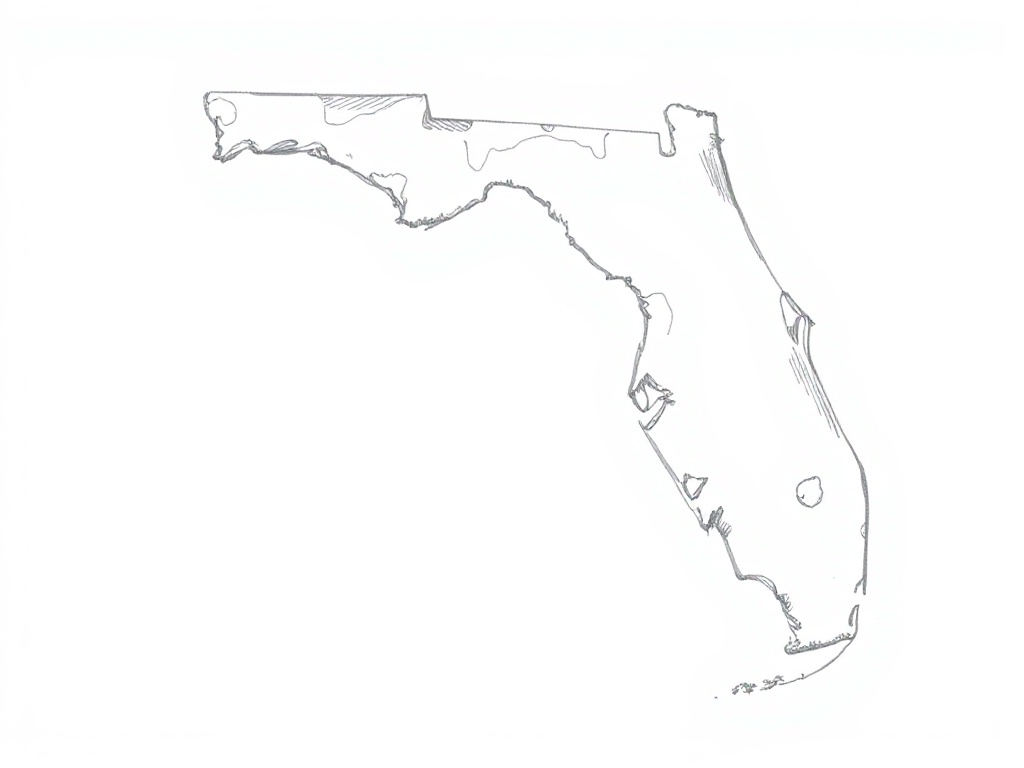
Hurricane preparation is a year-round priority for Florida residents. With coastal growth, higher property values, and increasingly volatile weather patterns, practical planning can protect your family, home, and wallet. Here’s a clear, actionable guide to preparing now and staying ready when storms threaten.
Know your risk and plan accordingly
– Check local flood maps and your property’s elevation to understand storm surge and inland flood risk.
– Follow the National Hurricane Center and your county emergency management for watches, warnings, and evacuation orders.
– Create a family emergency plan: designate meeting points, communication methods if cell networks fail, and responsibilities for each household member.
Insurance and important documents
– Review homeowner and flood insurance policies early.

Standard homeowner policies don’t usually cover flood damage — a separate flood policy is often required.
– Keep digital and hard copies of important documents (insurance policies, IDs, deeds). Store digital copies in secure cloud storage and hard copies in a waterproof container.
– If you plan to relocate temporarily, know which homeowners or auto insurance obligations apply during evacuation.
Home hardening that pays off
– Get a professional roof inspection to check for loose shingles, flashing issues, and weaknesses where wind can lift roofing materials.
– Install hurricane straps or clips if your home lacks them; these strengthen the connection between roof and walls.
– Protect windows and doors with impact-rated storm shutters, plywood plans mapped to window sizes, or impact glass. Secure garage doors — they’re a common failure point.
– Trim trees and secure outdoor furniture, grills, and potted plants. Prune weak branches and remove dead trees near structures.
Flood preparedness
– Consider elevating critical utilities (water heater, HVAC, electrical panels) if your property is in a flood-prone area.
– Install check valves to prevent sewage backup.
– Keep sandbags or water-resistant barriers on hand and know how to deploy them safely.
Assemble an emergency kit
– Water: at least one gallon per person per day for several days.
– Food: nonperishable items and a manual can opener for several days.
– Medical: first-aid kit, prescription medications, copies of medical records.
– Power and light: battery-powered radio, flashlights with extra batteries, portable phone chargers, and a safe, approved generator with proper ventilation.
– Personal items: cash, copies of documents, diapers or pet supplies if needed.
Evacuation readiness
– Know local evacuation routes and nearby shelters, including those that accept pets.
– Keep your vehicle fueled; gas stations may close during widespread outages.
– Pack a “go bag” with essentials that can be grabbed quickly if you must leave: IDs, medications, chargers, basic toiletries, and comfort items for children and pets.
Community and neighborhood action
– Coordinate with neighbors to check on elderly or special-needs residents who may need help during preparation and recovery.
– Join or follow local neighborhood groups and official emergency channels for real-time updates and mutual aid options.
Recovery and post-storm actions
– Photograph property damage for insurance claims and document repair estimates.
– Beware of scams: verify contractors and avoid upfront large cash payments. Use licensed, bonded professionals for major repairs.
– Report downed power lines and hazards to local utilities immediately; avoid flooded areas and standing water, which can hide hazards and contamination.
Staying prepared reduces risk and stress. Regular maintenance, informed insurance choices, and a practiced family plan make a measurable difference when storms approach. Keep this checklist accessible, review it seasonally, and adjust based on changes to your home or household needs.