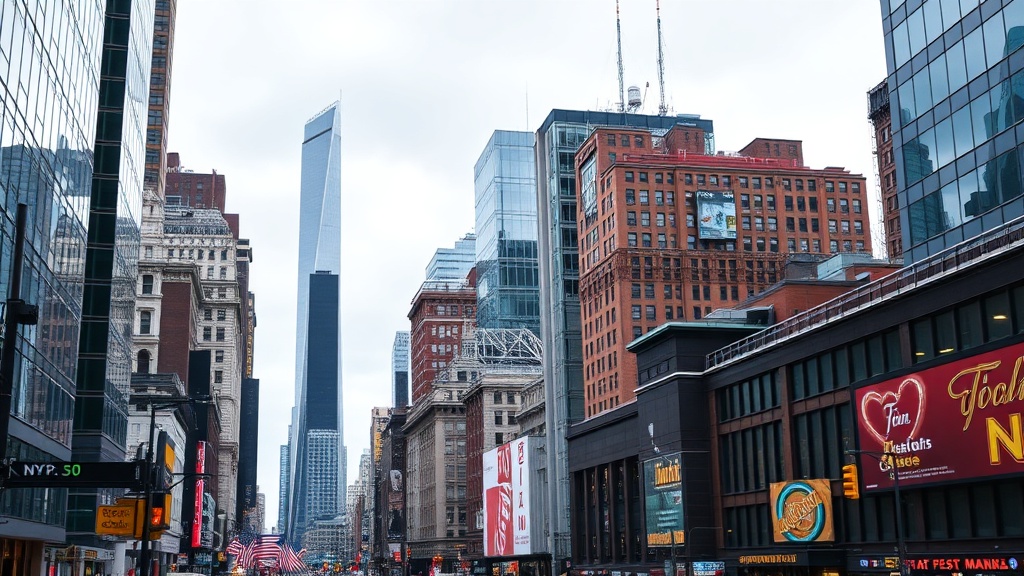
New York City guide: how to explore neighborhoods like a local
New York City is a patchwork of neighborhoods, each with a distinct personality.
Whether you’re a first-time visitor or a return traveler, exploring like a local means slowing down, following instincts off main drags, and using practical tools that make getting around effortless.
Start with transit basics
The fastest way to cover ground is the subway, complemented by buses and ferries. Tap to pay with contactless fare systems on subways and buses, or download the transit authority’s app for maps, service alerts, and live departures.
For short hops, shared bike programs and dockless scooters are convenient — just follow bike-lane rules and watch traffic. Taxis and ride-hail services fill gaps late at night or for heavy luggage.
Neighborhoods worth lingering in
– Manhattan: Walk the West Village for brownstones and boutique shopping, stroll through SoHo’s cast-iron architecture, or find quiet corners in the East Village café scene. Midtown is a must-see for first-timers, but consider exploring the Upper West and Upper East Sides for museum options and quieter streets.
– Brooklyn: Head to DUMBO for waterfront views and photo ops under the bridge, then wander to adjacent Brooklyn Heights for promenade sunsets. Williamsburg combines trendy restaurants with vintage shops; Prospect Heights and Park Slope offer family-friendly parks and farmer’s markets.
– Queens: Long Island City’s waterfront parks have expanding dining and cultural spaces, while Astoria is known for authentic international food and lively cafés.
– The Bronx and Staten Island: Both boroughs provide a different pace — cultural institutions, waterfront promenades, and neighborhoods rooted in local communities.
Eat and drink with intention
Food is one of the easiest ways to understand a neighborhood.
Look for small counters or family-run spots where lines form — they often indicate quality.
Many restaurants keep last-minute availability on reservation apps; for theater nights, consider dining earlier or taking advantage of pre-theater menus. Farmers markets and food halls are ideal for sampling a variety of local vendors in one stop.
Culture, outdoors, and free things to do
Public green spaces and cultural institutions offer a mix of paid and free programming.
Parks host outdoor performances, fitness classes, and seasonal markets. Museums and galleries frequently offer pay-what-you-wish hours or free admission days; check websites before you go. Waterfront walks, public art installations, and neighborhood street festivals are low-cost ways to soak up the city’s energy.

Practical safety and etiquette
Stay aware of your surroundings, especially on crowded transit and at major tourist hubs. Keep valuables secure and use a crossbody bag when moving through busy areas. On public transit, let riders exit before boarding, offer seats to seniors and people with mobility needs, and keep phone calls brief or muted.
For cycling, use bike lanes and signal clearly when turning.
Plan smart, stay flexible
New York moves fast, but the best city experiences happen when plans leave room for spontaneity. Use real-time transit apps, reserve must-do attractions, and build time for walking. Aim to blend iconic sights with neighborhood discoveries for a fuller picture of the city’s daily life.
Whether seeking a culinary adventure, a cultural deep-dive, or a quieter side of the city, exploring neighborhoods with curiosity and practical planning reveals the authentic rhythms that make New York City endlessly compelling.