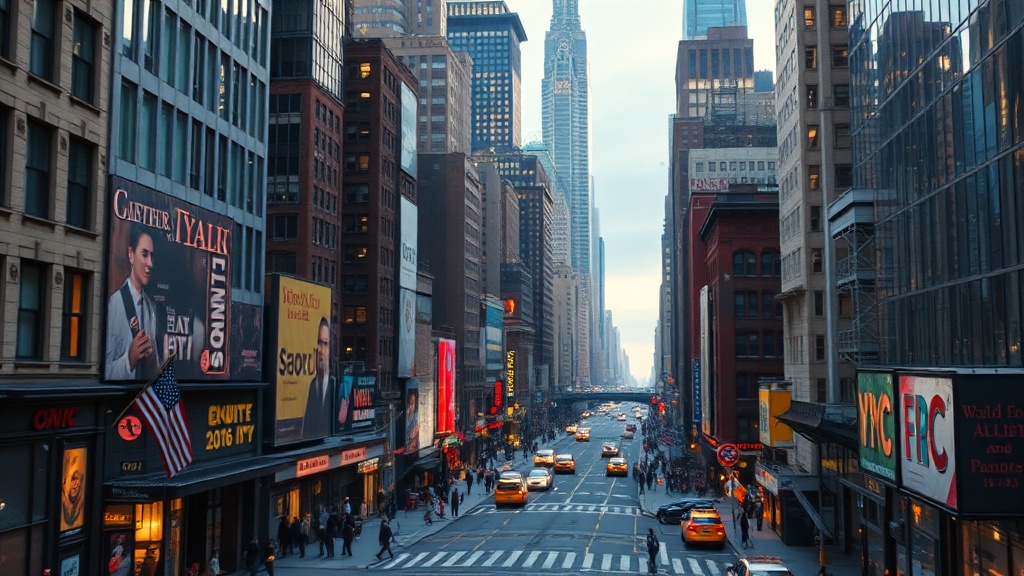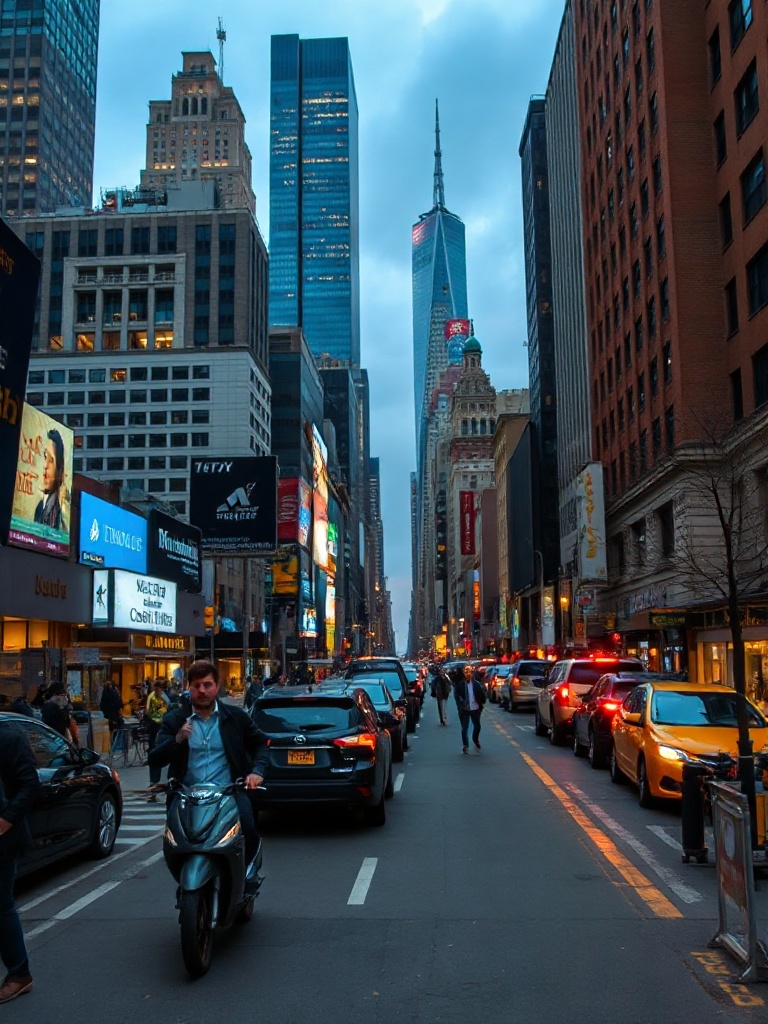
New York City moves fast, but smart planning turns the rush into an irresistible adventure. Whether this is a first visit or a repeat trip, a local-minded approach helps you see more, spend less time in lines, and taste the real New York beyond the postcard views.
Start with neighborhoods, not attractions
Skip the long list of “must-sees” and pick a few neighborhoods to explore on foot. Greenwich Village and the Lower East Side still offer narrow streets, independent shops, and late-night music venues. Williamsburg and DUMBO deliver waterfront views, creative markets, and standout coffee shops.
Harlem blends historic music halls and soul-food institutions with growing culinary diversity. For quieter green space and local life, Prospect Park and its surrounding neighborhoods make a great counterpoint to the crowds near Central Park.
Transit tips that save time
The subway is the most efficient way to get around. Use a contactless payment method for faster entry and check service changes before you travel.
Off-peak hours mean less shoulder-to-shoulder commuting; aim for midday or early evening to move more comfortably.
For short hops, electric scooters and Citi Bike are practical and often faster than waiting for a bus. Walking remains the best way to discover city details — murals, stoops, and corner delis — that don’t show up on maps.
Eat like a New Yorker

Street food and neighborhood establishments rival high-end dining for authenticity.
Start with classic slices from a corner pizzeria and a morning bagel from a neighborhood shop. Food halls and markets are ideal for groups with varied tastes: one person can grab ramen, another can pick up Dominican comfort food, and someone else can sample artisanal sandwiches. Don’t hesitate to ask locals for suggestions — the best spots are often the ones without a long online trail.
Parks, waterfronts, and outdoor culture
Public spaces are core to city life. The High Line transforms an old rail line into an elevated garden and public-art corridor; Hudson River Park offers long waterfront walks and recreational piers; and Brooklyn Bridge Park gives unbeatable skyline views.
For a more relaxed pace, Prospect Park’s meadows and boathouse are great for picnics and people-watching. Outdoor programming — concerts, markets, and performances — often pops up without heavy promotion, so check neighborhood bulletin boards and social feeds.
Cultural experiences beyond the big names
Museums and theaters draw crowds for good reason, but also explore smaller galleries, off-Broadway shows, and community arts spaces. Street art and public installations are woven throughout the city and change frequently, so an aimless walk can be rewarding. Farmer’s markets and popup crafts fairs are excellent ways to engage with local makers and seasonal produce.
Practical tips for a smoother visit
– Carry a small tote or daypack for purchases and water.
– Wear comfortable shoes; cobblestones and city blocks add up.
– Keep a backup phone charger — navigation eats battery life.
– Be mindful of peak dining times for reservations, especially for popular brunch and dinner spots.
New York’s appeal comes from its neighborhoods and the small moments between the landmarks. Plan a rough route, leave room for detours, and embrace the city’s spontaneity — the best discoveries often happen off the beaten path.