Savannahs: Why these grassy ecosystems matter — and how they can thrive
Savannahs are among the planet’s most dynamic and productive landscapes, where grasses dominate but scattered trees and shrubs create a mosaic of habitats. Found across continents, savannahs support unique biodiversity, sustain livelihoods, and play a critical role in global ecological processes. Understanding what makes savannahs resilient — and how human activity affects them — is essential for conservation and sustainable use.
What defines a savannah
Savannahs sit between closed-canopy forests and open grasslands.
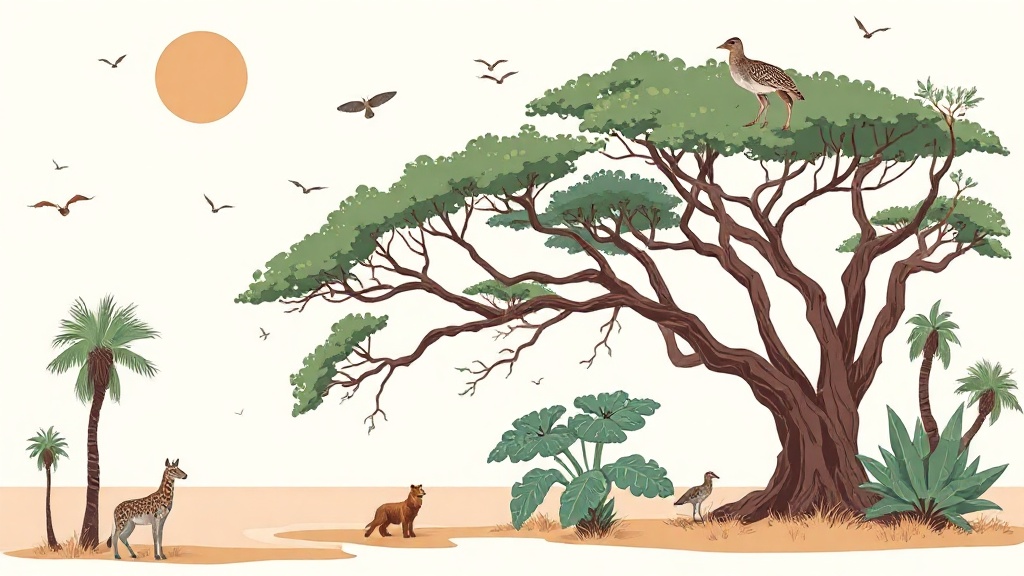
Their character comes from a balance of seasonal rainfall, fire, and grazing. Grasses cover most of the ground, while trees such as acacias, baobabs, and various oaks appear as dispersed individuals or clusters.
This structure supports species adapted to both open and semi-wooded conditions, creating rich food webs and high landscape heterogeneity.

Fire and grazers: partners in shaping the landscape
Fire and large herbivores are natural architects of savannah ecosystems. Periodic, low-intensity fires reduce woody encroachment, recycle nutrients, and stimulate fresh grass growth that herbivores prefer. Grazers — from wild ungulates to livestock — shape plant community composition and seed dispersal patterns. When fire regimes and grazing pressures remain balanced, biodiversity and productivity tend to flourish.
Biodiversity hotspots with important ecosystem services
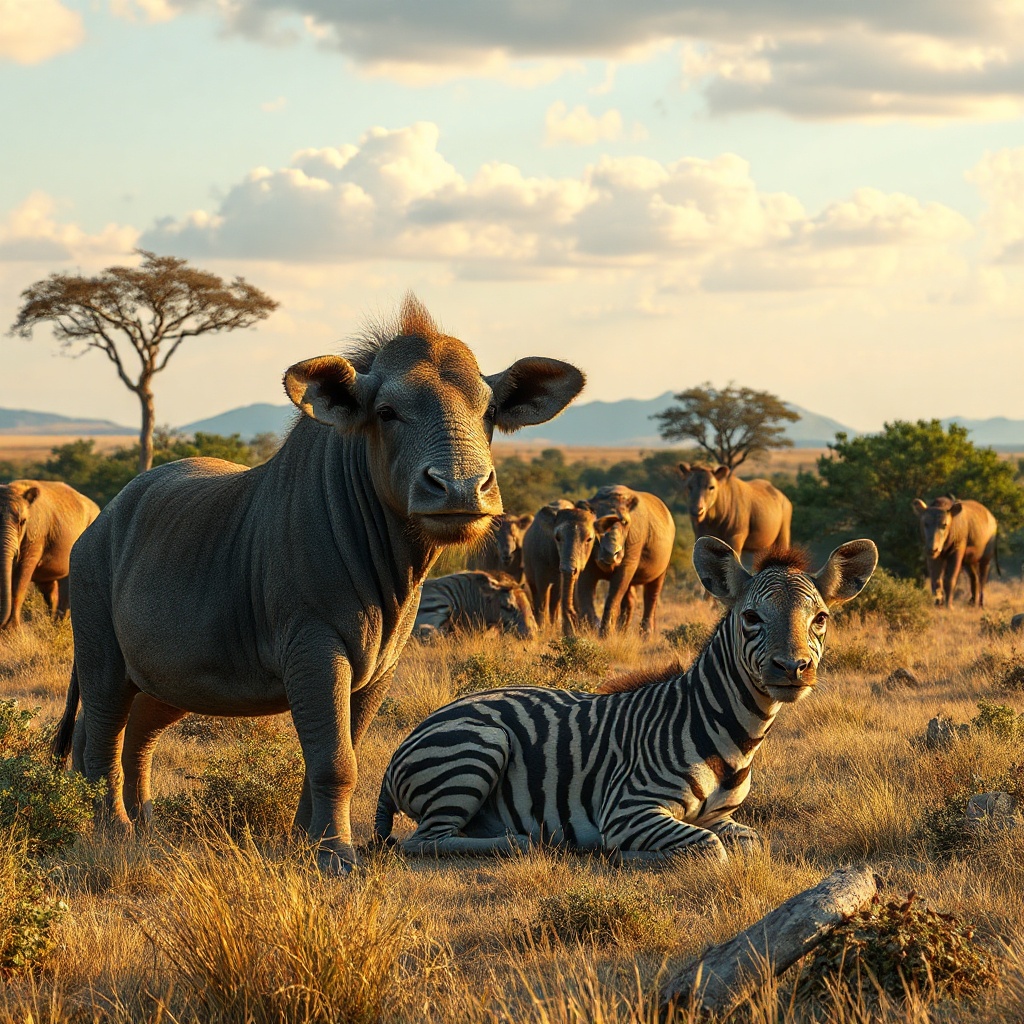
Savannahs host iconic wildlife — elephants, giraffes, zebras, and a wide range of birds and insects — alongside lesser-known species crucial to ecosystem functioning. They provide ecosystem services that benefit people: carbon storage in soil and vegetation, water regulation through catchment protection, pollination, and materials for building and traditional medicine. Many rural communities depend on savannahs for grazing, fuel, and cultural practices.
Growing threats and management challenges
Human-driven land conversion for agriculture, urban expansion, and infrastructure fragments savannahs and reduces habitat continuity. Altered fire regimes, suppression of natural fires, and overgrazing by livestock can shift savannahs toward shrub- or forest-dominated states or degrade them into low-productivity scrub. Climate variability and invasive plant species add pressure, changing species composition and reducing resilience.
Conservation strategies that work
Effective savannah conservation blends science, traditional knowledge, and community engagement. Adaptive fire management — using controlled burns timed to ecological windows — helps maintain open savannah structure and biodiversity. Community-based grazing plans and rotational grazing systems support livestock livelihoods while preventing overuse. Protected areas remain important, but connecting them with wildlife corridors and sustainable-use zones amplifies conservation outcomes. Restoration efforts that combine native grass reseeding and targeted shrub removal can rehabilitate degraded areas.
Sustainable tourism and local benefits
Savannah landscapes attract nature-based tourism that generates income for local communities when well-managed. Responsible tourism models emphasize small-group experiences, support for local guides, and revenue-sharing mechanisms that fund conservation. Visitors who prioritize low-impact practices help protect wildlife and cultural heritage while contributing to local economies.
How to support savannah health
Supporting savannahs can take many forms: choosing responsibly operated tourism, donating to or volunteering with conservation organizations that work locally, and advocating for land-use policies that balance development and biodiversity. For land managers, embracing fire-smart practices and grazing management plans preserves both productivity and ecological integrity.
Savannahs are living systems that thrive under disturbance when that disturbance is natural and balanced.
Protecting their rhythms — fire, grazing, and seasonal rains — while integrating human needs offers a pathway for resilient landscapes that sustain both wildlife and people.