Understanding the savannah ecosystem: resilience, threats, and conservation
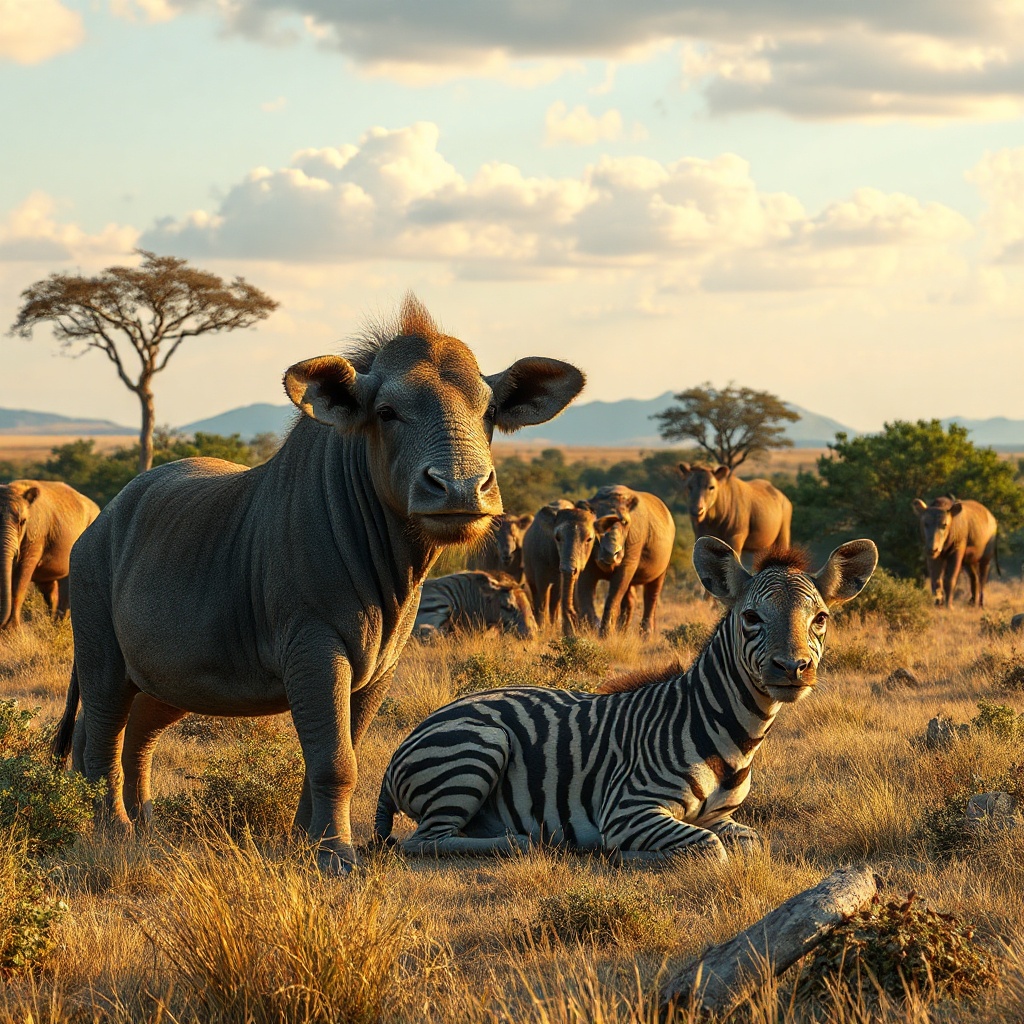
Savannahs are iconic landscapes where grasses dominate and trees remain scattered, creating a mosaic that supports extraordinary biodiversity and cultural value.
Found across continents—from Africa and South America to Australia—savannahs balance the forces of fire, grazing, and seasonal rainfall to sustain a mix of herbivores, predators, birds, and specialized plants. This balance makes savannahs both resilient and vulnerable, and understanding the dynamics at play is essential for effective conservation and responsible visitation.
What makes a savannah unique
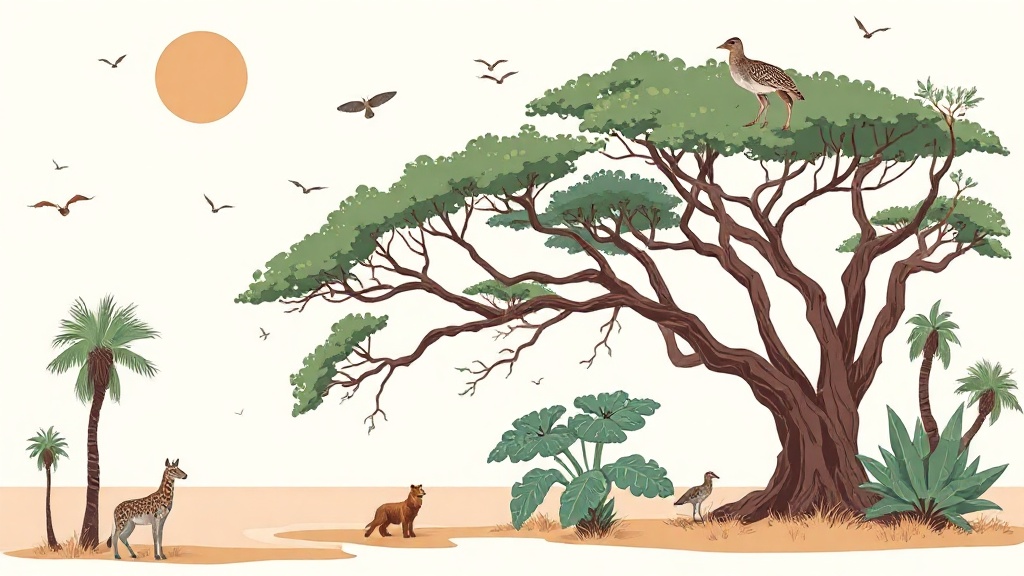
– Structure: Wide-open grasslands punctuated by isolated trees or groves allow sunlight to fuel dense herbaceous growth while offering shade and perches for wildlife.
– Climate: Distinct wet and dry seasons drive growth cycles, seed germination, and animal migrations. Water availability shapes plant composition and animal behavior.
– Disturbance regimes: Fire and grazing are natural engineers of the savannah. Periodic fires limit woody plant encroachment and recycle nutrients, while large herbivores maintain grass dominance by browsing and trampling.
Ecological importance and services
Savannahs support some of the planet’s most recognizable megafauna and a huge array of lesser-known species, including pollinators and soil microbes essential to ecosystem health. They provide critical services:
– Carbon storage in soil and vegetation helps regulate atmospheric carbon.
– Water infiltration and groundwater recharge support downstream agriculture and communities.
– Grazing lands sustain pastoral livelihoods and cultural traditions for millions of people.
– Tourism and nature-based economies deliver income while incentivizing habitat protection.
Key threats to savannahs
– Land conversion: Expansion of cropland and urban areas fragments landscapes, reducing habitat connectivity and disrupting migratory routes.
– Altered fire regimes: Fire suppression or excessively frequent burns can shift plant communities toward woody encroachment or loss of native grasses.
– Overgrazing and unsustainable livestock practices degrade soils, increase erosion, and reduce resilience to drought.
– Climate variability: Changes in rainfall patterns and extreme weather events challenge species adapted to predictable seasonal cycles.
– Illegal hunting and unregulated resource extraction undermine populations of keystone species and collapse ecological interactions.
Conservation and management strategies
Effective savannah stewardship blends science, local knowledge, and economic incentives:
– Adaptive fire management uses controlled burns timed and located to mimic natural fire regimes, maintaining grass-tree balance.
– Sustainable grazing plans set stocking rates and rotational patterns that allow plant recovery and protect soils.
– Landscape connectivity is restored through wildlife corridors and habitat corridors that enable migration and genetic exchange.
– Community-based conservation empowers local and Indigenous communities with stewardship roles, revenue sharing from tourism, and legal land rights.
– Restoration projects combine native grass reseeding, erosion control, and removal of invasive woody species to recover degraded areas.

Responsible visiting and support
Nature-based tourism can boost conservation when practiced thoughtfully. Visitors can help by choosing certified local guides, staying on designated trails, minimizing waste, and supporting community enterprises.
Donations or purchases that directly fund habitat protection or local livelihoods create long-term benefits.
Savannahs are living systems shaped by cycles of growth, fire, and movement. Protecting them requires measures that respect ecological processes and human needs together—fire and grazing managed wisely, landscapes connected thoughtfully, and communities engaged as partners. The savannah’s openness and dynamism are part of its beauty and its strength; maintaining that balance secures ecological, cultural, and economic value for generations to come.