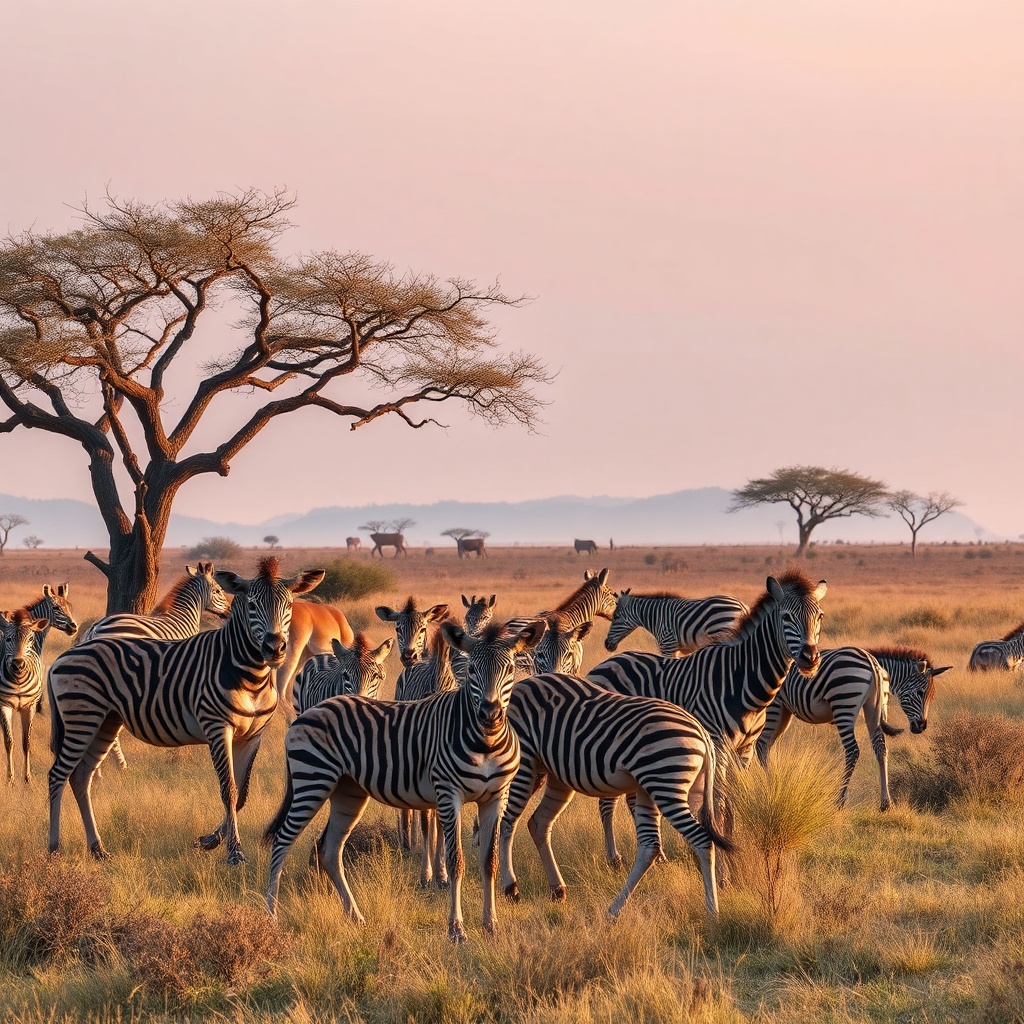
Savanna (often spelled savannah) landscapes are among the planet’s most iconic and productive ecosystems.

Stretching across continents, these open grasslands dotted with trees support astounding wildlife, store carbon in soils, and sustain millions of people through pastoralism and agriculture. Understanding how savannas function and what threatens them helps travelers, conservationists, and local communities make better choices for their future.
What makes a savanna unique
Savannas are defined by the balance between grasses and scattered trees, shaped by rainfall patterns, fire, and grazing. Seasonal rains fuel bursts of plant growth, followed by dry periods that favor drought-tolerant grasses and acacias. Fire and large herbivores like elephants, antelope, and bison maintain the open structure by keeping woody plants in check. This dynamic mosaic supports high levels of biodiversity — from grazing herds and stealthy predators to myriad insects and migratory birds.
Ecosystem services and global importance
Beyond wildlife spectacle, savannas provide key ecosystem services. Their deep-rooted grasses promote soil stability and water infiltration, reducing erosion. Many savanna soils store substantial amounts of carbon belowground, contributing to climate regulation. Local communities rely on savanna products: grazing land for livestock, medicinal plants, fuelwood, and cultural resources. Protecting savannas therefore supports both biodiversity and livelihoods.
Current pressures and practical responses
Savannas face several intersecting threats. Agricultural expansion and land conversion fragment habitats, while overgrazing and unsustainable fire regimes can degrade vegetation and soil health.
Illegal wildlife trade and human-wildlife conflict further undermine conservation efforts.
Climate variability brings altered rainfall patterns, which can amplify these stresses.
Effective responses combine science, local knowledge, and practical policy:
– Community-based conservation lets local people manage wildlife and land, aligning incentives with protection.
– Adaptive fire management restores natural burning patterns that maintain biodiversity without risking settlements.
– Sustainable rangeland practices, such as rotational grazing and restoring native grasses, rebuild soil health and productivity.
– Technology — camera traps, acoustic monitoring, and aerial surveys — improves surveillance and helps direct anti-poaching efforts.
– Payment for ecosystem services and ecotourism revenue-sharing create income streams tied to intact ecosystems.
Responsible ecotourism and visiting tips
Savannas offer remarkable travel experiences, but good practices matter. Choose operators that work with local communities and follow strict wildlife viewing guidelines. Limit vehicle disturbance, keep respectful distances from animals, and support accommodations that use water and energy responsibly. When photographing, avoid baiting or altering animal behavior.
How you can help
– Support local conservation groups or community projects that prioritize livelihoods and habitat protection.
– When traveling, pick certified eco-friendly operators and pay park fees that fund conservation.
– Reduce demand for products linked to habitat loss by checking sourcing and certifications.
– Learn and share accurate stories about savanna species and the people who depend on them.
Savannas are resilient yet fragile. With informed management, community leadership, and responsible visitation, these grasslands can continue to deliver wildlife spectacle, cultural value, and essential ecosystem services for generations to come.