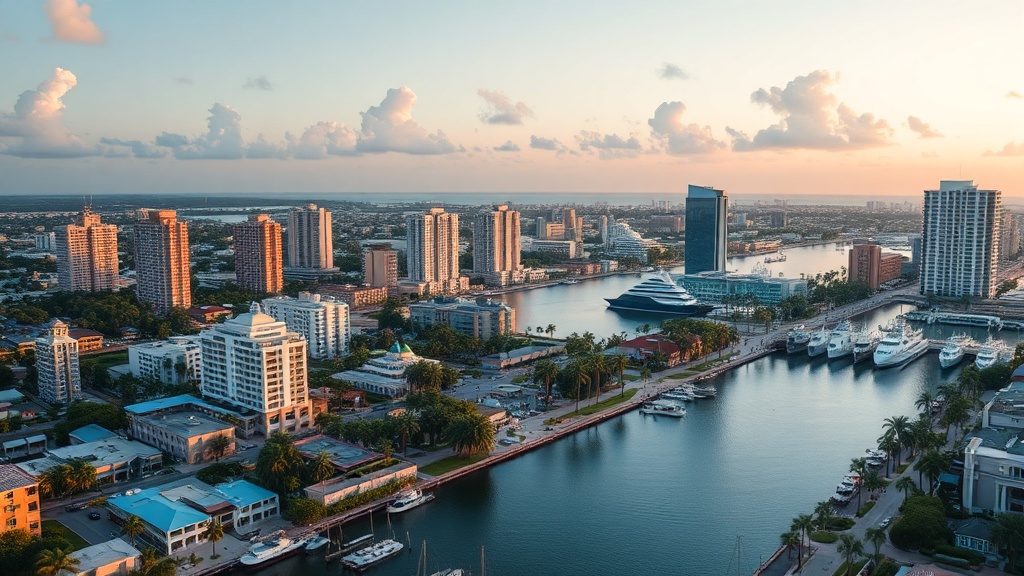
Florida’s waterways are central to the state’s identity and economy, but maintaining clean water is a persistent challenge. From coastal beaches to inland rivers and the Everglades, water quality shapes public health, tourism, fisheries, and property values.
Understanding the drivers and everyday solutions makes it easier for residents and visitors to protect these vital resources.
What’s driving water quality issues
Nutrient pollution is the main culprit behind many harmful algal blooms and oxygen-depleted zones. Excess nitrogen and phosphorus come from lawn and agricultural fertilizers, leaking septic systems, stormwater runoff, and some wastewater discharges.
Warmer water temperatures and altered rainfall patterns amplify blooms by providing a favorable environment for algae.
Coastal red tide and freshwater blue-green algal blooms both carry risks. They can produce toxins that impact humans and marine life, cause fish kills, foul beaches and waterways, and disrupt local economies dependent on recreation and commercial fishing.
Who’s affected
Communities along the Gulf and Atlantic coasts, inland lakefront homeowners, anglers, and beachgoers can all feel the effect.
Sensitive ecosystems—seagrass beds, mangroves, and oyster reefs—suffer from reduced light and poor water chemistry, which in turn affects fisheries and shoreline protection.
Actions being taken
State and local agencies, water management districts, municipalities, and nonprofit groups are pursuing a mix of infrastructure upgrades, policy change, and restoration projects:
– Upgrading septic systems and encouraging connections to centralized sewer where feasible to reduce leaching nutrients into groundwater.
– Implementing agricultural best management practices (BMPs) to limit runoff from fields and ranches.
– Installing stormwater treatment systems and bioswales to capture and filter runoff before it reaches waterways.
– Restoring seagrass beds and oyster reefs to improve water filtration and habitat resilience.
– Expanding monitoring networks that combine satellite data, fixed sensors, and on-the-ground sampling for faster bloom detection and public alerts.
What residents and property owners can do
Individual choices add up. Practical homeowner habits make a measurable difference:
– Use fertilizers sparingly, choose slow-release or low-phosphorus formulas, and follow local ordinances and timing recommendations.
– Maintain septic systems with regular inspections and pumping; avoid flushing harsh chemicals that disrupt septic bacteria.
– Replace portions of turf with native plants, shrubs, and rain gardens to reduce irrigation needs and improve infiltration.
– Capture roof runoff with rain barrels and direct downspouts to landscaped areas instead of paved surfaces.
– Properly dispose of pet waste, unused medications, and household paints or chemicals so they don’t enter storm drains.
– Report unusual fish kills, discolored water, or dead wildlife to local authorities and participate in citizen science monitoring when possible.
The role of technology and community science
Improved monitoring platforms, smartphone reporting apps, and community-based sampling programs are helping managers detect blooms earlier and target responses more effectively. Public participation in reporting and cleanup efforts accelerates detection and raises awareness.
Why this matters for the future
Healthy waterways support tourism, real estate value, fisheries, and coastal resilience.

Small-scale actions—combined with coordinated policy and science-driven restoration—create durable benefits.
Staying informed about local water quality alerts, supporting sensible land-use policies, and adopting water-smart practices at home are simple ways anyone can contribute to cleaner waterways and a stronger coastal economy.