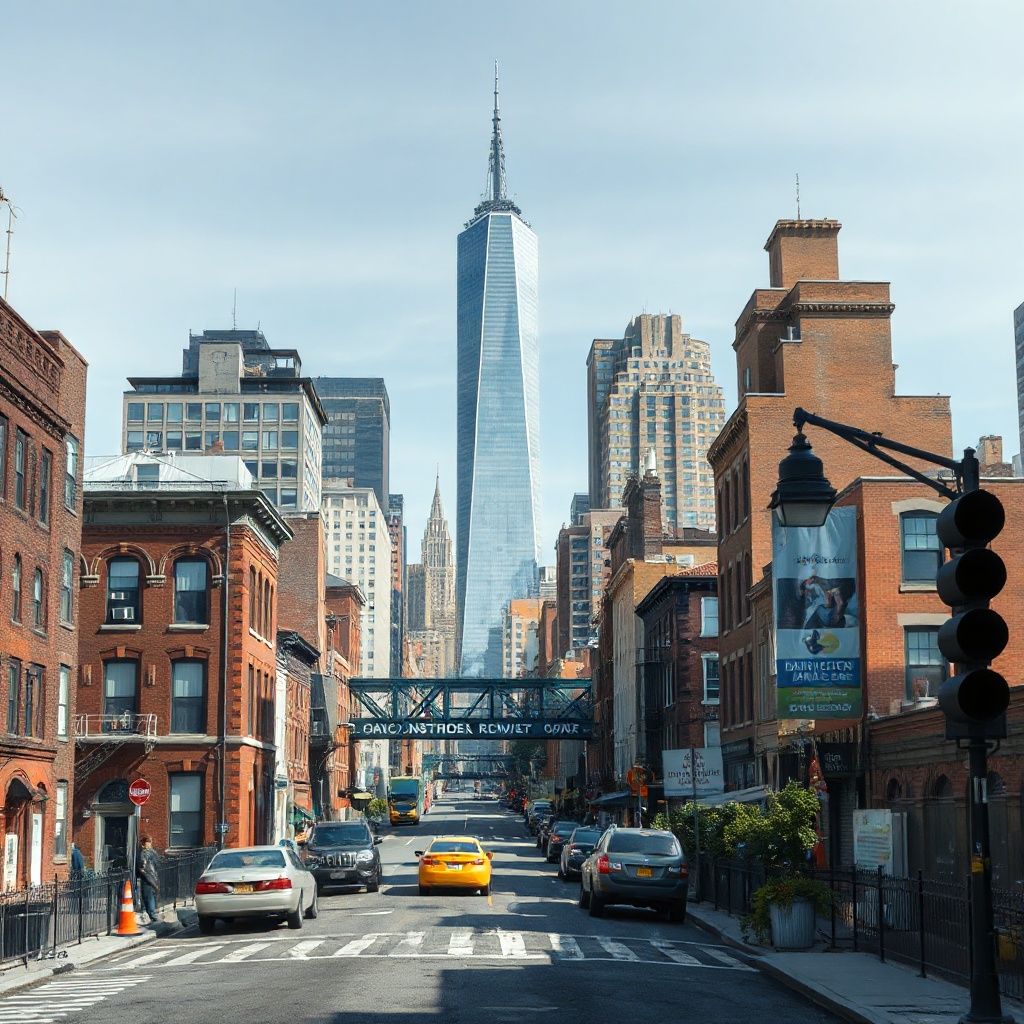
New York City’s streets and transit are evolving fast, and anyone who lives, works, or visits should rethink how they move around. Driving into central Manhattan now comes with extra costs and restricted curbside rules, while better transit payment options, expanded bike networks, and ferry routes make alternatives more practical. Here’s a clear, pragmatic guide to commuting smarter in NYC.
Understand the congestion charge and what it means
A congestion pricing program affects vehicles entering Manhattan’s central business district.
That changes trip planning for drivers: tolls add to travel expense, and enforcement cameras make avoidance risky. For many trips, the fee makes public transit, biking, or short ferry hops a more economical choice. If driving is unavoidable, factor the charge into budgets and consider park-and-ride strategies that switch to transit for the final leg.
Use contactless fares and trip-planning apps
OMNY contactless payment is accepted on subways, buses, and many regional services, simplifying transfers and reducing wait times. Transit-focused mobile apps combine schedules, service alerts, and real-time arrivals for subway, bus, ferry, and commuter rail—handy when track work or bus reroutes appear.
Save time by checking alerts before leaving and build a route with backups in case of delays.
Lean into micromobility and protected bike lanes
Citi Bike and dockless e-bike options have expanded citywide, making point-to-point travel quick and flexible. New protected lanes and traffic-calming designs make cycling safer on many corridors. For short to mid-distance trips, biking can be faster than driving or taking multiple transfers. Remember helmet safety, obey traffic laws, and use bike maps to find low-traffic streets and protected routes.
Explore ferries and expanded river services
Ferries now connect more neighborhoods, offering a scenic, comfortable commute and a reliable alternative when the subway is congested or disrupted. Ferries are especially useful for cross-river trips and for reaching waterfront neighborhoods with limited subway access.
Check schedules in advance—some routes have different weekend or peak-hour frequencies.
Consider off-peak travel and flexible schedules
Shifting commuting hours slightly can avoid rush-hour crowds, save time, and sometimes reduce costs. Employers and institutions increasingly support staggered hours and hybrid arrangements, so taking one or two non-peak days can make transit far more pleasant.
Handle parking and curb rules strategically
Street parking remains scarce and regulated by meters, alternate-side rules, and dedicated loading zones. Parking apps help find garages and meter availability; short-term lot parking plus a transit hop often beats the stress of searching for curbside space.
For deliveries or business operations, use loading zone permits and plan off-hour pickups when possible.

Prioritize accessibility and safety
Many stations now include elevators, improved lighting, and platform upgrades—check accessibility maps before traveling if mobility is a concern. Pay attention to personal safety: crowded vehicles call for awareness of belongings and reporting suspicious activity through transit authority channels.
Top practical tips
– Check real-time service alerts before you go.
– Use contactless payment to speed transfers.
– Try a bike or ferry for short cross-town trips.
– Park-and-ride from outer boroughs or New Jersey for cheaper access.
– Factor congestion charges into driving budgets.
– Build alternative routes—subway, bus, and ferry—to avoid being stranded.
With a mix of planning, flexible scheduling, and willingness to mix modes—walking, cycling, ferry, bus, and subway—getting around New York City becomes less stressful and often faster and cheaper than driving into the core. Embracing these options makes daily commutes and one-off trips smoother while contributing to a cleaner, more livable city.