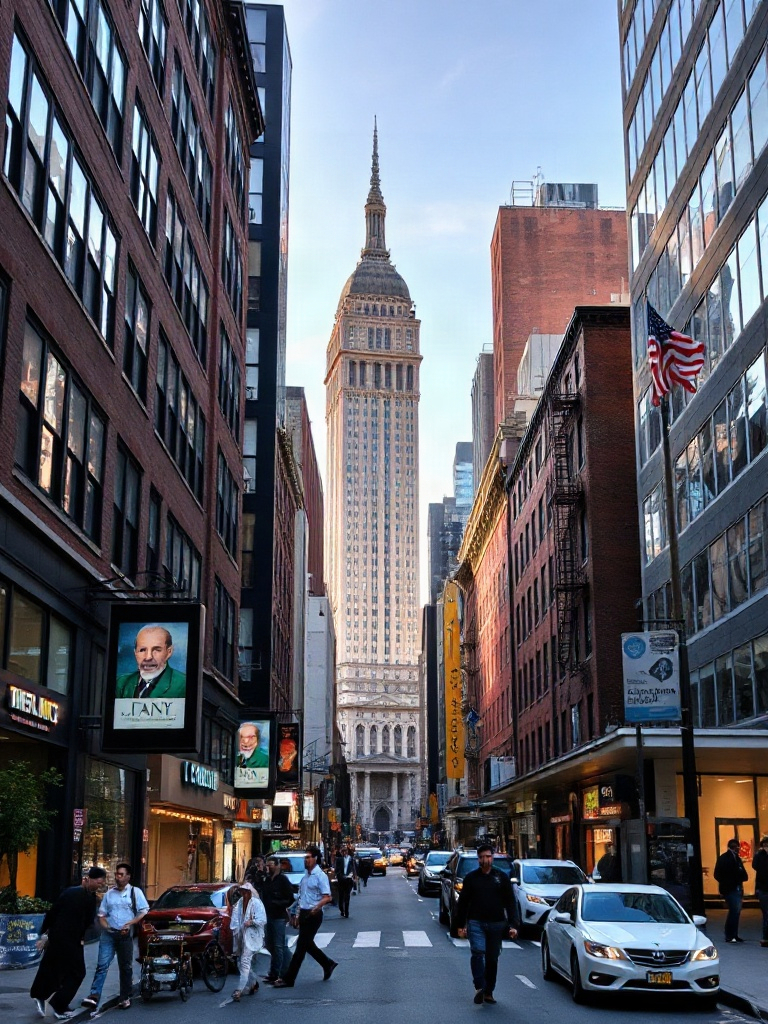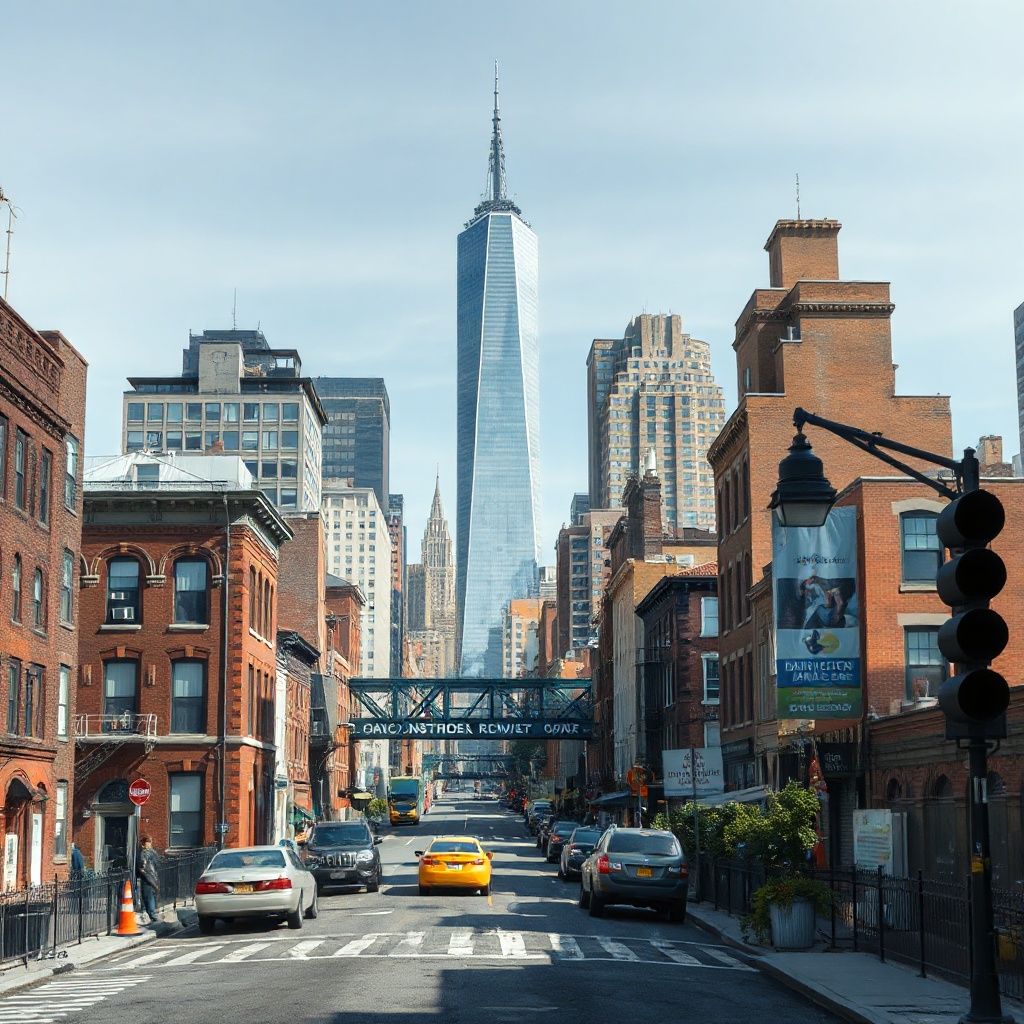
New York’s waterfront has become one of the city’s liveliest and most accessible playgrounds. From long promenades with skyline views to quiet kayak launches and lively food piers, exploring the edges of the boroughs offers something for every mood. Here’s a practical guide to getting the most out of NYC’s waterfront.
Why the waterfront matters
Waterfronts are more than views: they’re public space, recreation, and climate adaptation rolled into one. Parks and piers have been redesigned to make room for people and rising tides, with accessible promenades, expanded green space, and flexible plazas that host markets, art, and performances. That makes the waterfront a great place to relax, move your body, or find photo-ready skyline vistas.
Top spots to visit
– Hudson River Park: Stretching along Manhattan’s west side, this is a go-to for long walks, running tracks, sports fields, and piers with lawn space and food vendors. It’s also one of the city’s best sunset corridors.
– Brooklyn Bridge Park: Offers iconic views of Lower Manhattan, lawns, playgrounds, and seasonal pop-ups. The waterfront paths connect neighborhoods and give endless perspectives on the bridge and skyline.
– East River Esplanade: Quieter stretches connect neighborhoods on Manhattan’s east side. Great for a peaceful jog or a bike ride with views of Brooklyn and Queens.
– Governors Island: A short ferry ride away, this car-free island is ideal for picnics, bike rentals, public art, and elevated views from seasonal hills and observation points.
– South Brooklyn waterfronts (DUMBO, Red Hook, Sunset Park): Each neighborhood has its own vibe—DUMBO for iconic photos, Red Hook for seafood and quirky shops, Sunset Park for panoramic vistas and industrial charm.
Water-based activities
– Ferries: Using commuter and free ferries is an easy way to hop between waterfront neighborhoods and enjoy the skyline during the ride.
– Kayaking and paddleboarding: Free and low-cost programs launch from several piers; beginner-friendly sessions and safety gear are almost always provided.
– Harbor cruises and boat tours: Options range from quick sightseeing runs to themed evening sails—look for providers with clear safety records and transparent pricing.
Practical tips
– Timing: Early morning or late afternoon beats crowds and offers softer light for photos. Weekends get busy; weekdays are calmer.

– What to bring: Refillable water bottle, sunscreen, a light layer for wind, and comfortable shoes for mixed surfaces.
Bring a small pack for snacks if you plan to picnic.
– Getting there: Many waterfronts are transit-accessible; bikes are often the fastest option on connected greenways.
Check ferry schedules for seasonal changes.
– Accessibility: Most major piers and promenades have ramps and ADA access, but smaller docks and pop-ups can be uneven—plan accordingly.
– Safety and comfort: Life rings and signage are common on major piers, but swimming off piers is usually prohibited. Keep an eye on the weather and follow posted rules.
Food and events
Food trucks, seasonal pop-ups, and nearby cafes make waterfront days flexible. Many parks host free or low-cost events—outdoor movies, fitness classes, and markets—so checking park websites or local listings before you go can add a curated experience to your visit.
Respect the space
Treat waterfronts like any public park: pack out trash, keep dogs on designated leads, and respect event setups. These places thrive when visitors leave them better than they found them.
Whether you’re hunting perfect skyline silhouettes, learning to paddle, or simply seeking a breezy place to read, NYC’s waterfronts deliver an easy, restorative escape right at the edge of the city.