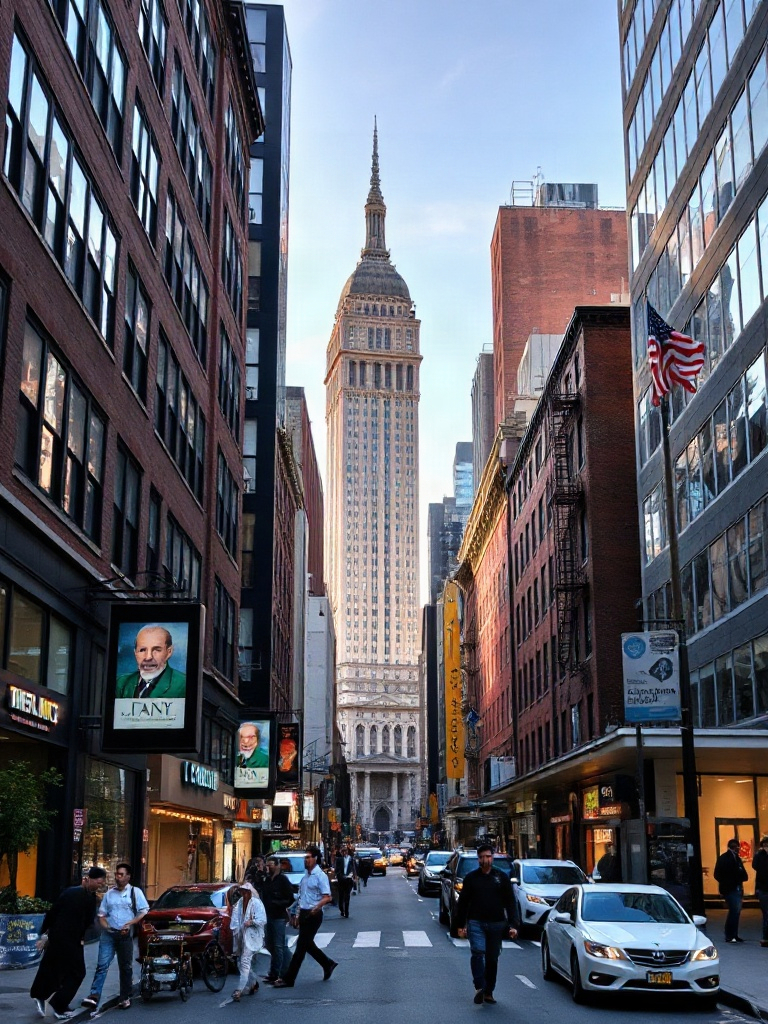
New York City by bike: how to ride smarter, safer, and more enjoyably
Cycling in New York City has evolved from a niche commute into a central way to get around, explore neighborhoods, and enjoy the waterfront. Whether you’re a visitor hopping on a shared bike or a local looking to shortcut subway delays, practical tips can make every ride faster, safer, and more fun.
Choose the right bike and equipment
If you plan to use a bike-share system, choose an e-bike for hilly routes or longer trips — they save effort and keep you moving. For your own bike, prioritize a sturdy U-lock, a quick-release wheel tether or second lock, and a helmet that fits well.
Front and rear lights are essential for visibility in dim light and required by local rules; reflective gear adds another layer of safety. Keep a compact pump and a patch kit or roadside tool if you ride frequently.
Know the best routes
Some of the city’s most reliable cycling corridors are protected lanes and waterfront greenways. The Hudson River Greenway offers a long, mostly car-free route perfect for commuting and scenic rides. For crosstown trips, protected lanes on major avenues reduce exposure to traffic. When crossing boroughs, compare the Brooklyn, Manhattan, and Williamsburg Bridge approaches—each has different bike/pedestrian arrangements and can vary by time of day.
Use routing apps that support bike infrastructure to avoid hostile streets and find smoother, safer options.
Master bike-share and dock etiquette
Bike-share systems are an easy way to try city cycling without storage or maintenance worries.
Dock your bike fully to avoid fines and help others find available inventory; on busy days, docking stations can fill up, so plan for alternative nearby docks. If you use a dockless option where available, lock responsibly and avoid blocking sidewalks, ramps, or building entrances.
Ride predictably and courteously
Signal turns, maintain a steady line, and avoid sudden lane changes. Yield to pedestrians, slow down on shared pathways, and give audible notice before passing. Many conflicts come from miscommunication, so clear signaling and eye contact at intersections helps keep traffic flowing safely for everyone.
Stay aware of rules and enforcement
Cyclists share the road with buses, delivery vehicles, taxis, and pedestrians. Follow traffic signals, use bike lanes where present, and dismount when signs require.
Enforcement and infrastructure change over time, so check local transportation resources for updates on new protected lanes and regulations that may affect your route.
Secure your bike smartly
Bike theft is common in dense areas.
Lock the frame and at least one wheel to a fixed object with a quality U-lock, and position the lock off the ground.
Register your bike with local registries and photograph serial numbers and distinguishing marks; a visible sticker from a registration program can deter theft. Avoid leaving bikes unlocked in public stairwells, alleys, or poorly lit areas overnight.
Explore beyond commuting
Cycling is also a great way to discover neighborhoods: try mixed-use paths, waterfront promenades, and bike-friendly streets that reveal hidden cafes, murals, and parks. Group rides and local bike shops are excellent ways to learn new routes, find maintenance help, and meet other cyclists.

Riding in the city is more enjoyable when you plan ahead, respect others, and use the infrastructure available. With the right gear, route choices, and etiquette, a bike becomes both a practical commute tool and a way to experience the city up close.