NYC Streets Reimagined: Pedestrian Plazas, Outdoor Dining, and the New Neighborhood Pulse
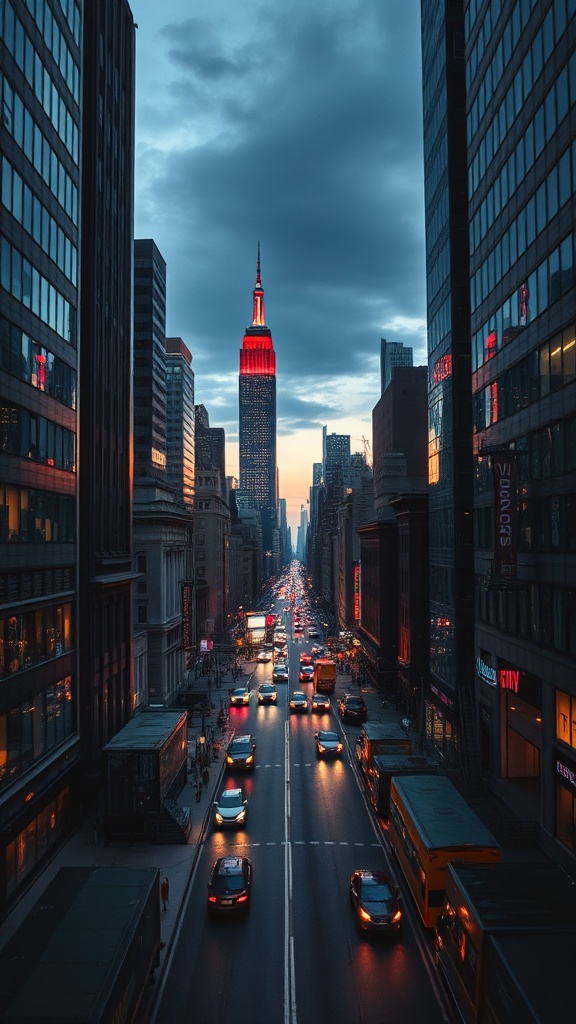
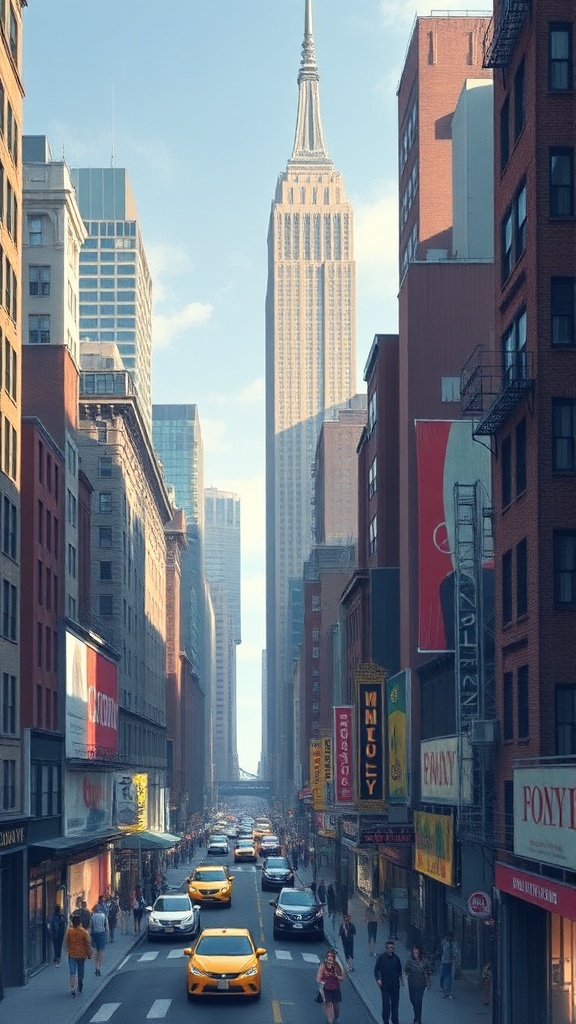
New York City’s street life is evolving, and the changes are reshaping how locals and visitors experience neighborhoods. Streets once dominated by cars are being reclaimed for people — with pedestrian plazas, expanded outdoor dining, protected bike lanes, and programs that prioritize safety and local business vitality.
These shifts make exploring the city more enjoyable, healthier, and often more convenient.
What’s transforming NYC streets
– Pedestrian plazas and widened sidewalks have turned former curbside space into places to linger — with seating, greenery, and micro-markets that encourage neighborhood interaction. These installations often sit near transit hubs and retail corridors, providing breathing room in dense areas.
– Outdoor dining continues to support restaurants and cafes. Curbside cafes, sidewalk setups, and modular street dining allow eateries to expand capacity and visibility while creating lively streetscapes.
– Protected bike lanes and bike-share options have made cycling a practical, everyday choice for many New Yorkers. Continuous lanes and safer intersections reduce conflicts and help shift short trips away from cars.

– Micro-mobility — electric bikes and scooters — is more visible, introducing flexible first- and last-mile options. Cities are refining rules and parking zones to balance convenience with pedestrian safety.
– Street programming, from weekend markets to cultural pop-ups, activates public space and supports small businesses, artists, and community groups.
Why it matters
Reclaiming street space improves air quality, reduces noise, and supports local economies by making neighborhoods more appealing. Pedestrian-friendly design encourages walkability, which increases foot traffic for shops and restaurants. For daily commuters, reliable bike infrastructure and better connections to transit make multimodal trips more feasible and efficient.
How to make the most of reimagined streets
– Walk a neighborhood route: Start on a main corridor with plazas and branch into residential streets to discover independent shops, bakeries, and community gardens.
– Try outdoor dining: Look beyond the busiest avenues. Side streets often feature cozy spots with shorter waits and unique menus.
– Use bike-share for short trips: Dockless and dock-based programs are ideal for quick errands or scenic commutes. Wear a helmet and follow local lane rules.
– Check official city resources: Maps for bike lanes, pedestrian plazas, and transit stations are regularly updated by the transportation department and transit authority.
– Be considerate with micro-mobility: Park e-bikes and scooters in designated areas to keep sidewalks clear. Yield to pedestrians and follow speed limits.
Safety and etiquette
Shared space depends on courtesy. Pedestrians should stay aware of cyclists and e-scooters; cyclists should signal and slow in crowded areas. Drivers should respect curbside dining zones and temporary street closures.
Businesses can help by maintaining clear sightlines and keeping seating within marked boundaries.
Opportunities for community impact
Neighborhood groups and small businesses can advocate for permanent improvements that work locally — from more greenery and shade to better lighting and accessible curb cuts. Temporary plaza programs often become permanent when communities show support and city planners see real benefits.
Exploring responsibly
Whether you’re discovering a new neighborhood or revisiting a familiar block, these street-level changes make the city more walkable, lively, and sustainable. Stay informed through official street and transit maps, support local vendors, and enjoy the renewed energy that comes from spaces designed for people rather than just traffic. The city’s streets have always been its stage — now they’re becoming a more welcoming one for everyone.