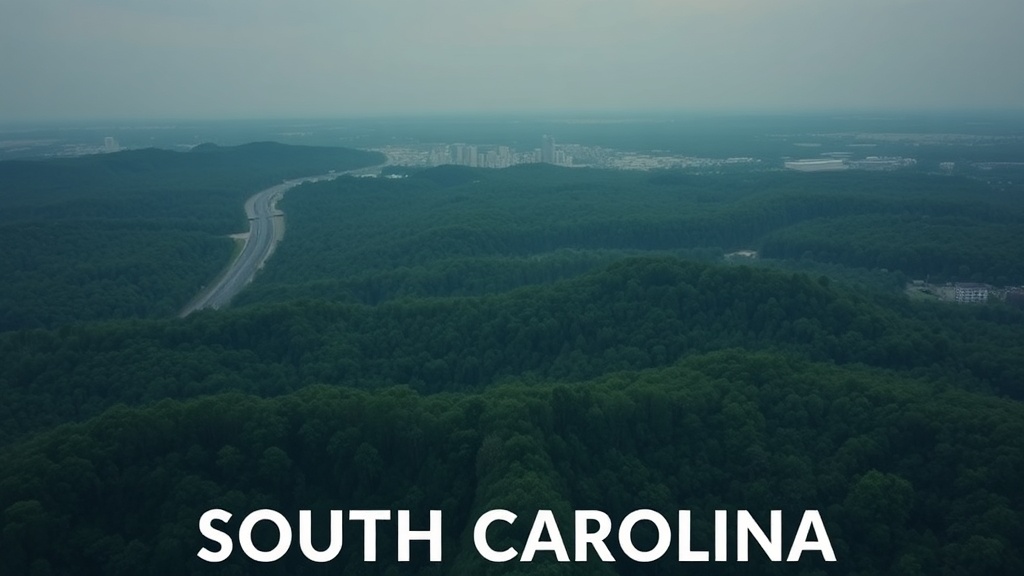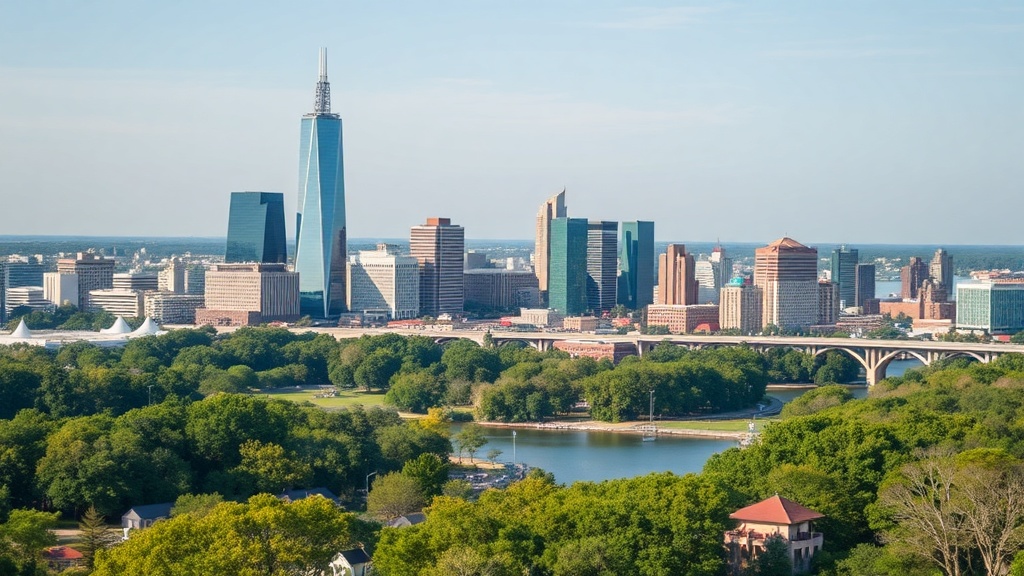
South Carolina’s coast draws millions for its historic cities, barrier islands, and warm beaches.
That same coastline also faces mounting pressures from rising tides, stronger storms, and development along fragile shorelines. Balancing tourism and economic growth with long-term resilience has become central to protecting communities, infrastructure, and the ecosystems that make the state so appealing.
Why coastal resilience matters
Tidal flooding and storm surge can disrupt daily life and damage property.
Low-lying urban centers, coastal neighborhoods, and barrier islands are especially vulnerable. Beyond immediate property loss, repeated flooding undermines roads, utilities, and the natural features—marshes and dunes—that buffer storm impacts. For residents, businesses, and local governments, investing in resilience reduces future repair costs and preserves the natural assets that support tourism and fisheries.

Nature-based solutions lead the way
Shoreline armoring with bulkheads and seawalls can protect property in the short term but often accelerates erosion and harms habitats. Nature-based approaches are increasingly favored because they work with coastal processes. Living shorelines, marsh restoration, and dune rebuilding stabilize sediment, filter runoff, and provide habitat for wildlife. Salt marshes and oyster reefs, for example, dissipate wave energy and reduce erosion while supporting fisheries.
Planning, policy, and partnerships
Resilient coasts require coordinated planning. Local governments are updating zoning, building codes, and infrastructure plans to account for more frequent flooding. Elevation standards for new construction, restrictions on vulnerable development, and strategic retreat in the most exposed locations are tools being used alongside shoreline restoration. Universities, nonprofits, and private contractors are partnering with municipalities to design projects that are both environmentally sound and cost-effective.
Community actions that make a difference
Homeowners and business owners can take concrete steps to reduce risk. Elevating structures, installing flood-resistant materials, and securing utilities can minimize damage.
Native landscaping and dune-friendly plantings help reduce erosion, while pervious pavement and rain gardens limit runoff. Flood insurance is a critical consideration—standard homeowners insurance rarely covers flood damage, and policies tailored to coastal risk can be a lifesaver.
Tourism with responsibility
Visitors play a role in coastal resilience by following guidelines that protect dunes, marshes, and wildlife. Simple actions—staying off sand dunes, using designated walkways, and avoiding nesting areas—help preserve the natural buffers that protect communities.
Responsible tourism supports local economies without accelerating degradation of the very resources visitors come to enjoy.
Staying informed and prepared
Monitoring tide charts, signing up for local emergency alerts, and having an evacuation plan are practical essentials. Communities that invest in education and preparedness see lower impacts when storms hit. Public meetings and local planning sessions offer ways for residents to weigh in on projects and priorities.
A practical path forward
Protecting South Carolina’s coast is an ongoing effort that blends science, policy, and community stewardship. Nature-based projects, smarter construction practices, and informed public engagement together reduce risk while sustaining the beaches, marshes, and historic waterfronts that define the region. Individuals can contribute by staying informed, making resilient choices for their properties, and supporting projects that restore natural defenses—helping ensure the coast remains vibrant and accessible for generations of residents and visitors.