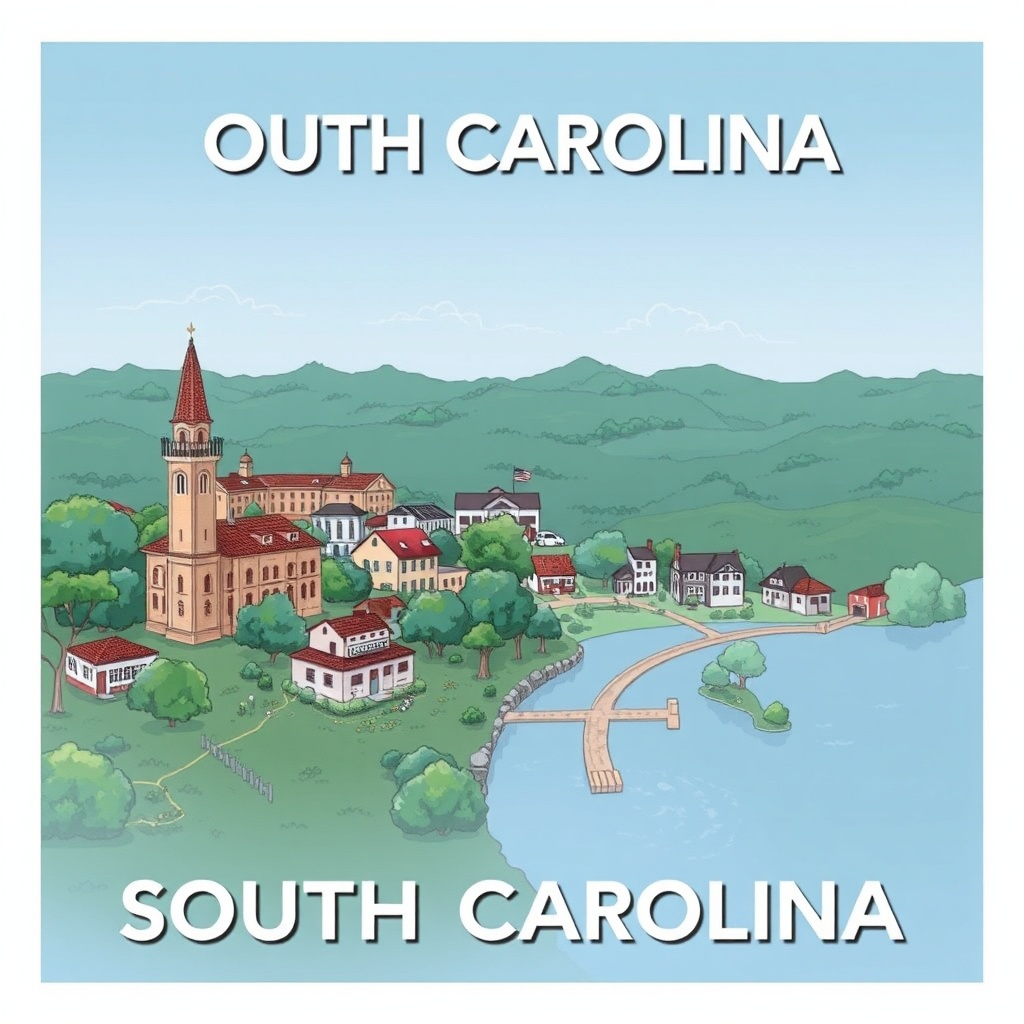
Discover the Lowcountry: South Carolina’s Coastal Charm, Food, and Outdoor Life
South Carolina’s Lowcountry blends coastal scenery, historic streets, and a distinct culinary heritage into one of the nation’s most appealing travel and living destinations. Whether planning a weekend getaway or exploring long-term relocation options, this region offers a compelling mix of culture, nature, and outdoor adventure.
Historic towns and cultural heritage
Charleston and Beaufort are magnets for history lovers. Stroll cobblestone streets lined with colorful row houses and live oaks draped in Spanish moss.
Museums, preserved plantations, and waterfront forts tell stories that shaped the region.
Equally important is the living heritage of the Gullah Geechee community, whose language, crafts, and culinary traditions continue to influence Lowcountry life.
Visiting cultural centers and local markets provides a respectful way to learn and support these traditions.
Lowcountry cuisine: more than shrimp and grits
The food scene is a major draw.
Lowcountry cuisine emphasizes fresh, local seafood—shrimp, oyster roasts, she-crab soup—and rice-based dishes influenced by West African techniques. Classic plates like shrimp and grits remain popular, while chefs are also reinterpreting traditions with seasonal, farm-to-table ingredients. Farmers markets and seafood shacks offer authentic bites; fine dining in city centers showcases the region’s evolving culinary creativity.
Barrier islands and outdoor recreation
South Carolina’s barrier islands and tidal marshes are ideal for outdoor enthusiasts.
Kayaking through serene estuaries reveals shorebirds, dolphins, and quiet salt marshes. Barrier islands such as Kiawah, Folly, and Hilton Head provide pristine beaches, world-class golf courses, and extensive bike paths for low-impact exploration. For birdwatchers and nature photographers, the diverse coastal habitat supports migratory species and resident wildlife year-round.

Sustainability and coastal stewardship
The same coastal features that draw visitors require active stewardship. Local conservation groups and municipalities are engaged in marsh restoration, dune preservation, and responsible development to protect fragile ecosystems. Visitors can contribute by staying on marked trails, supporting eco-conscious tours, and choosing accommodations that prioritize sustainability.
Practical tips for visitors
– Timing: Aim for shoulder seasons to enjoy milder weather, smaller crowds, and better rates while still getting full access to attractions.
– Transportation: Coastal towns are walkable; however, renting a car opens up barrier islands and rural areas.
Many communities also prioritize bike-friendly paths.
– Local etiquette: Treat marshes and private properties with care, follow posted wildlife viewing guidelines, and ask before photographing people or cultural sites.
– Food and markets: Hit farmer and seafood markets in the morning for the freshest finds. Don’t miss oyster roasts or pop-up chef events in urban neighborhoods.
Why it resonates
The Lowcountry’s combination of deeply rooted culture, approachable cuisine, and abundant outdoor options creates a unique regional identity.
That mix appeals to food lovers, nature seekers, history buffs, and anyone who appreciates a slower coastal pace. With ongoing conservation efforts and a vibrant local scene, the region remains a dynamic destination worth exploring again and again.