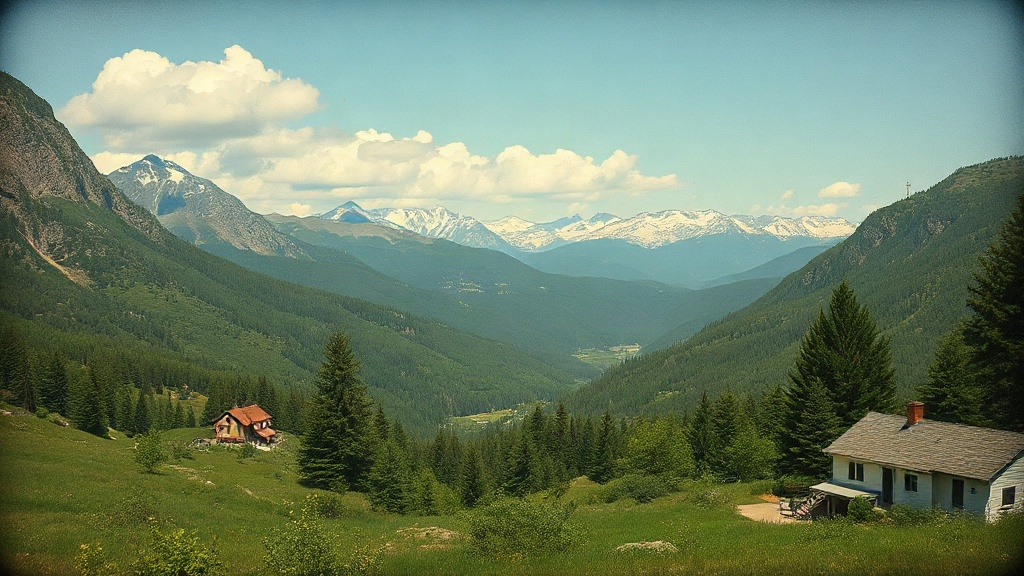
Virginia packs a surprising variety of landscapes into one state — from misty mountains to sandy barrier islands — making it an ideal destination for outdoor escapes, weekend getaways, and nature lovers of every stripe.
Whether you’re planning a day hike, a multi-day backpacking trip, or a relaxed beach weekend, these highlights and practical tips will help you make the most of Virginia’s outdoors.
Top outdoor destinations
– Shenandoah National Park: Accessible from nearby cities yet feeling remote, the park offers scenic overlooks along Skyline Drive and hundreds of miles of trails. Hikes range from short waterfalls to longer ridge walks that connect to the Appalachian Trail.
– Appalachian Trail segments: Virginia contains some of the longest continuous stretches of the Appalachian Trail, with varied terrain and well-maintained shelters for thru-hikers and section hikers alike.
– Blue Ridge Parkway & Peaks of the Blue Ridge: Scenic drives, overlooks, and trailheads create endless options for day hikes and photography. High-elevation meadows provide sweeping views and opportunities to observe migratory birds.
– Grayson Highlands and Mount Rogers area: Rugged trails, pony sightings, and open balds make this region a favorite for backpacking and wildflower viewing.
– Coastal Eastern Shore & barrier islands: For a totally different pace, the Eastern Shore and barrier islands offer quiet beaches, salt marshes, and prime birding opportunities.
Outdoor activities include kayaking, shelling, and surf fishing.
Practical planning tips
– Choose trails by difficulty and distance: Trail systems in the mountains can quickly shift from gentle to strenuous; check trail descriptions and elevation profiles before you go.
– Be weather-aware: Mountain weather can change rapidly.
Layering, waterproof gear, and a compact first-aid kit are smart essentials.
– Parking and access: Popular trailheads and overlooks can fill early on weekends and holidays.
Arrive early or consider weekday trips for a quieter experience.
– Leave no trace: Respect fragile ecosystems by staying on marked trails, packing out trash, and avoiding disturbance of wildlife or plant life.
– Permits and fees: Some parks and preserves require entrance fees or permits for camping.
Check park websites or visitor centers before you go.
Local flavors and recovery
After a long hike, Virginia’s regional food and drink scene offers satisfying options.
Small towns near trailheads often host farm-to-table restaurants, craft breweries, and wineries with locally produced selections. Coastal communities serve fresh seafood and oysters that reflect the Chesapeake Bay’s bounty.
Where to stay
Options range from rustic backcountry shelters and designated campsites to charming bed-and-breakfasts, historic inns, and modern lodges.
For a coastal stay, look for beach cottages, bayside inns, or campgrounds near sound access for kayaking and birding.
Seasonal highlights
Virginia’s seasons bring different experiences: wildflower blooms and migratory birds in spring, long warm days on the coast in summer, vibrant foliage across the ridgelines in the cooler months, and quiet, contemplative winter hikes when trails are less crowded. Plan activities to match the season and bring appropriate layers and gear.
Getting there and getting around

Major highways and regional airports make many parts of Virginia accessible, but rural and coastal destinations are often best accessed by car. Plan routes that allow flexibility for scenic detours and unexpected stops — some of the best moments happen off the main roads.
Whether craving panoramic mountain views or a stretch of quiet shoreline, Virginia provides accessible options for every outdoor appetite. Pack smart, respect the land, and leave room for spontaneous discoveries along the way.