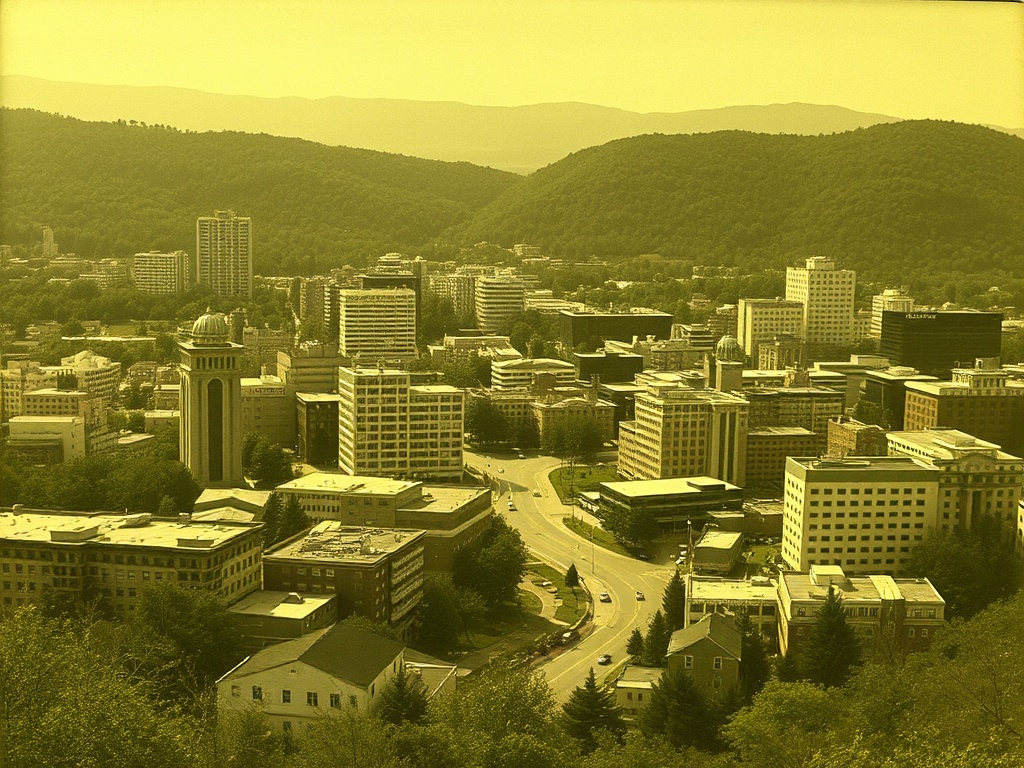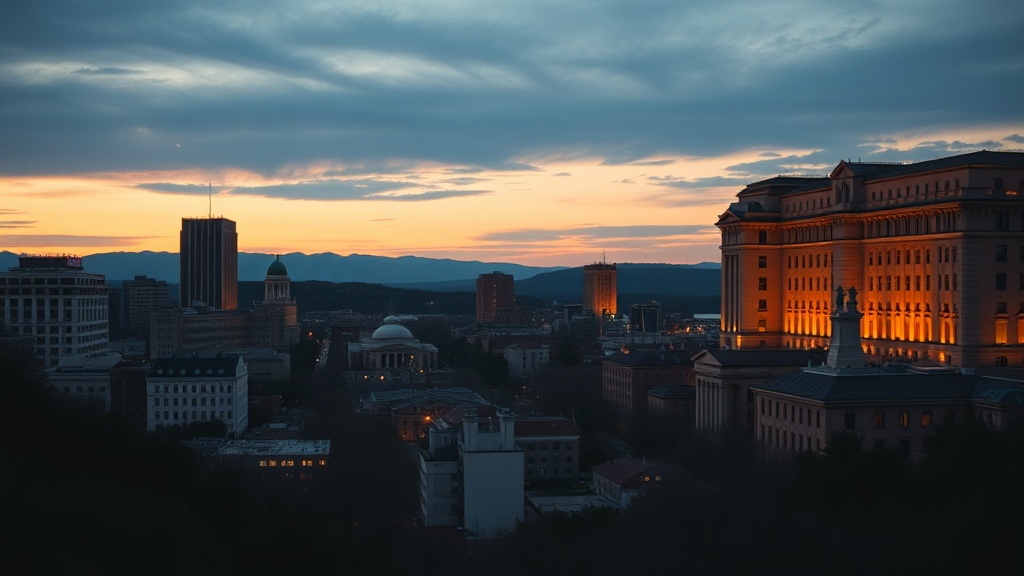
Virginia Tech blends a strong land-grant mission with a modern research-driven mindset, creating a campus culture where tradition and innovation meet. From the iconic Hokie Stone that defines the Blacksburg skyline to cutting-edge labs and startups, Virginia Tech offers a distinctive mix of student life, academic rigor, and community engagement.
A distinctive campus identity
Hokie Stone, locally quarried limestone used across campus buildings, gives Virginia Tech an instantly recognizable architectural character.
That physical continuity reflects a deeper culture: pride in place, longstanding student traditions, and visible school spirit centered on the HokieBird mascot and the Corps of Cadets. Visitors often notice how the built environment, public art, and green spaces reinforce a sense of belonging for students and alumni.
Research, innovation, and industry ties
Virginia Tech’s research strengths span engineering, agriculture and life sciences, information technology, and resilience-focused disciplines.
Collaboration with industry and government partners helps translate academic discovery into practical solutions for real-world problems—everything from sustainable energy and advanced manufacturing to precision agriculture and biomedical innovation. The corporate research center adjacent to campus and active entrepreneurship programs help students and faculty launch startups and secure industry partnerships.
Sustainability and land-grant values
As a land-grant institution, Virginia Tech emphasizes outreach, service, and applied research that benefits statewide communities.
Sustainability initiatives link campus operations with academic programs: renewable energy projects, campus-wide waste reduction, and experiential learning opportunities give students hands-on exposure to environmental stewardship and community resilience.
Student experience and support
Student life at Virginia Tech balances rigorous academics with a vibrant extracurricular scene. Resident life, student organizations, Greek life, student-led media, and campus recreation create abundant opportunities to build leadership and social networks.
Support services such as academic advising, career centers, and wellness programs are designed to help students succeed academically and prepare for the workforce. Programs that connect students with internships, co-ops, and employer recruitment events boost post-graduation readiness.
Community and outreach
Blacksburg and the surrounding region benefit from Virginia Tech’s economic, cultural, and educational presence. Extension programs and community partnerships extend university expertise into local schools, farms, and small businesses. Public-facing events—lectures, arts performances, and sports—invite the broader community onto campus and foster a two-way exchange of knowledge and culture.
Practical advice for prospective students and visitors
– Plan a campus visit: take a guided tour, attend an information session, and walk the main quads to experience the campus vibe.
– Explore research and academic fit: review faculty interests, lab facilities, and experiential learning options in your field.
– Check resources: investigate housing, financial aid, career services, and student support programs that match your needs.
– Engage with student life: learn about clubs, athletics, and service organizations that align with your passions.
– Consider logistics: Blacksburg’s regional character means a strong on-campus life; think about transportation, local housing, and community amenities.

Why it matters
Virginia Tech’s combination of traditions, research capacity, and community engagement makes it a compelling choice for students who want a rigorous education paired with practical impact. Whether attracted by engineering labs, agricultural extension work, entrepreneurship opportunities, or the cohesive campus culture, students find a place that emphasizes both individual growth and service to communities.
For prospective students, alumni, and visitors, Virginia Tech offers an enduring mix of identity, opportunity, and forward-looking research—rooted in place but oriented toward solving the challenges that matter most.