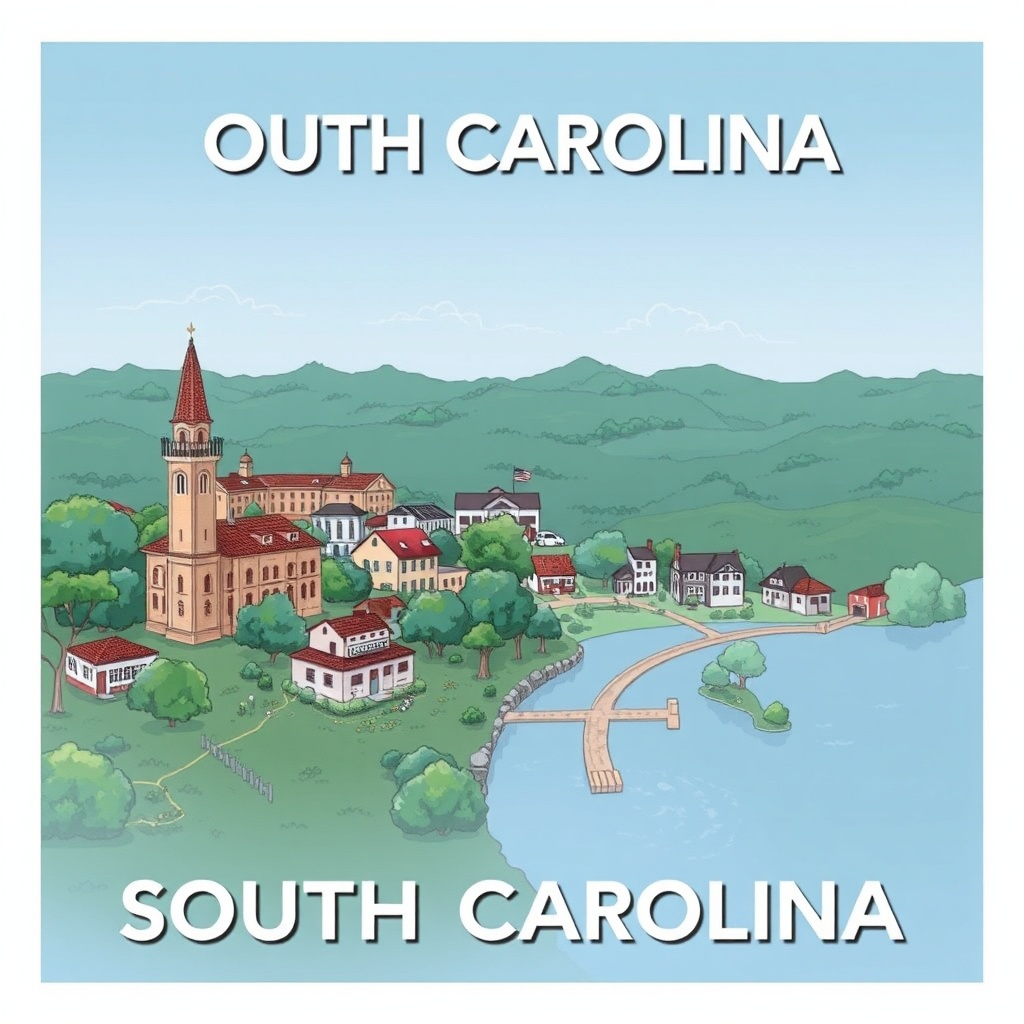
South Carolina’s coastal Lowcountry blends history, food, and outdoor adventure into an easy-to-navigate getaway. From the cobblestone streets of Charleston to quiet barrier islands and lively beach towns, the state offers a variety of experiences for first-time visitors and repeat travelers alike. This guide highlights must-see places, local flavors, outdoor activities, and practical tips to make the most of a trip to South Carolina.
What to see and do
– Charleston: Explore the historic downtown with its antebellum architecture, hidden gardens, and waterfront promenades. Stroll Rainbow Row, visit historic markets, and take a guided walking or carriage tour to learn about the city’s layered past.
– Beaufort and the Sea Islands: Quaint streets, waterfront parks, and Gullah-Geechee cultural heritage give this area unique charm. Nearby islands offer quiet beaches and scenic drives.
– Hilton Head and Kiawah: Known for pristine beaches and world-class golf, these islands also feature bike-friendly paths, nature preserves, and family-friendly resorts.
– Myrtle Beach and Grand Strand: A lively coastal corridor with broad beaches, entertainment piers, and a wide range of dining and nightlife options.
– Barrier islands and state parks: Ferries to islands like Folly, Sullivan’s, and Hunting Island provide access to lighthouses, tidal creeks, and excellent shelling. Inland, places like Congaree National Park reward paddlers and hikers with old-growth forests and towering trees.
Taste the Lowcountry
Lowcountry cuisine is a highlight: fresh shrimp, oysters, and she-crab soup share menus with regional staples like shrimp and grits and Lowcountry boil. A growing farm-to-table scene emphasizes local produce and seafood, while oyster roasts and seafood festivals are central to coastal culture.
Don’t miss small seafood shacks and family-run restaurants for authentic flavors.
Outdoor adventures
– Kayaking and paddleboarding through tidal creeks and salt marshes reveal birdlife and scenic serenity. Guided eco-tours can enhance understanding of the fragile marsh ecosystem.
– Fishing—both inshore and offshore—remains popular; charter trips are widely available along the coast.
– Birdwatching along migration routes and at wildlife refuges is rewarding; bring binoculars and a field guide for shorebirds and marsh species.
– Biking is especially pleasant on island trails and beachfront promenades where flat terrain and scenic routes dominate.
Practical and responsible travel tips

– Pack for sun and humidity: breathable fabrics, reef-safe sunscreen, and insect repellent are essentials.
– Check local tide charts if planning beachcombing, kayaking, or shelling—tides affect access and safety.
– Reserve accommodations and popular tours ahead of peak travel periods to secure preferred options.
– Practice Leave No Trace: respect wildlife, avoid disturbing nesting areas, and support local conservation efforts by staying on designated trails.
– Explore beyond the headline towns to find quieter neighborhoods, local markets, and community events that highlight authentic life in the region.
Why visit
South Carolina’s coastal region offers a balance of history, culinary delights, and outdoor escapes that cater to diverse interests. Whether seeking a relaxed beach retreat, a cultural immersion in historic districts, or active time outdoors, visitors can tailor their trip to match pace and preference. Discovering both popular attractions and hidden gems makes a visit to this part of the Southeast a memorable, flavorful, and rejuvenating experience.